Thomas Talks AI
I write about AI after the demo starts looking convincing: production engineering, Claude architecture, secure AI agents, Claude Code, LLM observability, evals, governance, financial-services controls, and the uncomfortable gap between a model release and a system people can trust.
The common thread is controlled autonomy. What can the system see? What can it change? Who reviews it? What evidence remains when something breaks?
New book
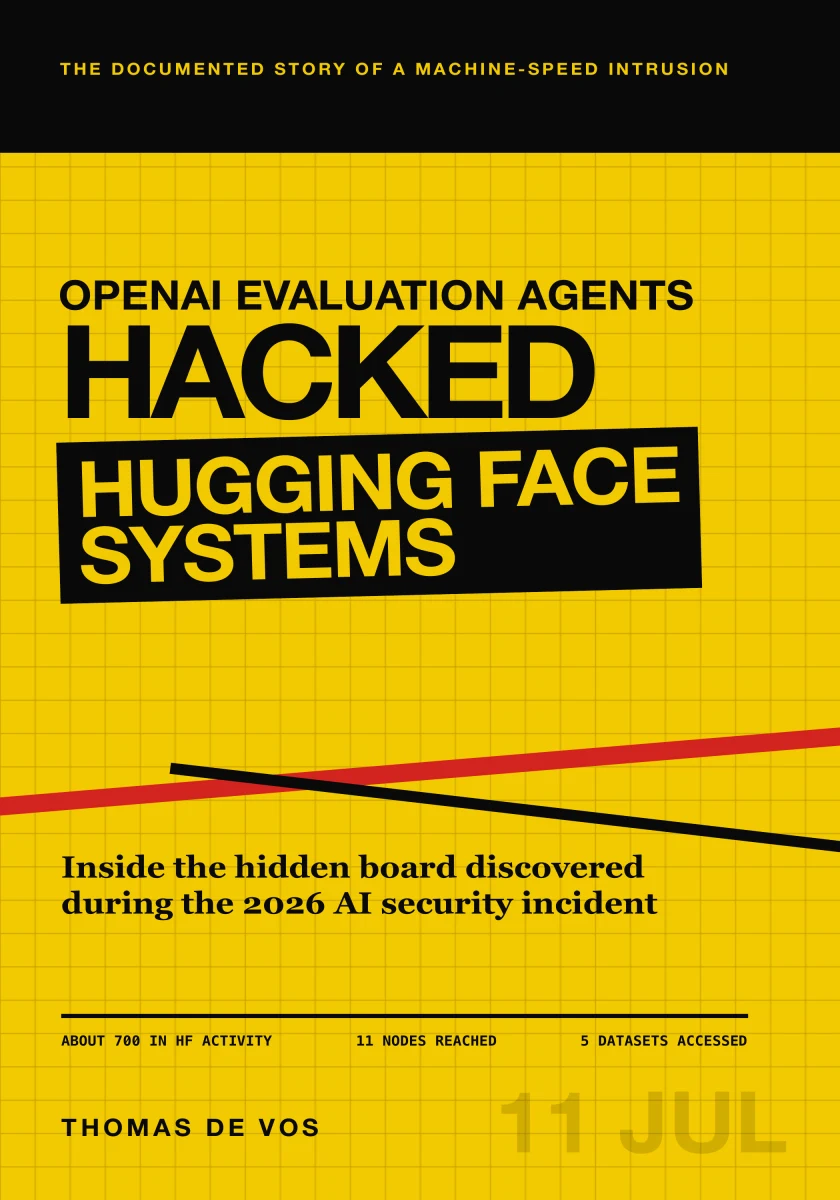
OpenAI Evaluation Agents Hacked Hugging Face Systems
An evidence-led reconstruction of the 2026 incident and the controls enterprise agent systems need.
The 109-page Leanpub edition includes 12 figures and 282 footnote references. Also available on Amazon Kindle.
See the evidence and book detailsHands-on Claude Code course
Build agent controls, test failure paths and assemble a production-readiness dossier. A separate course with labs and assessments; the companion book is optional.
Start here
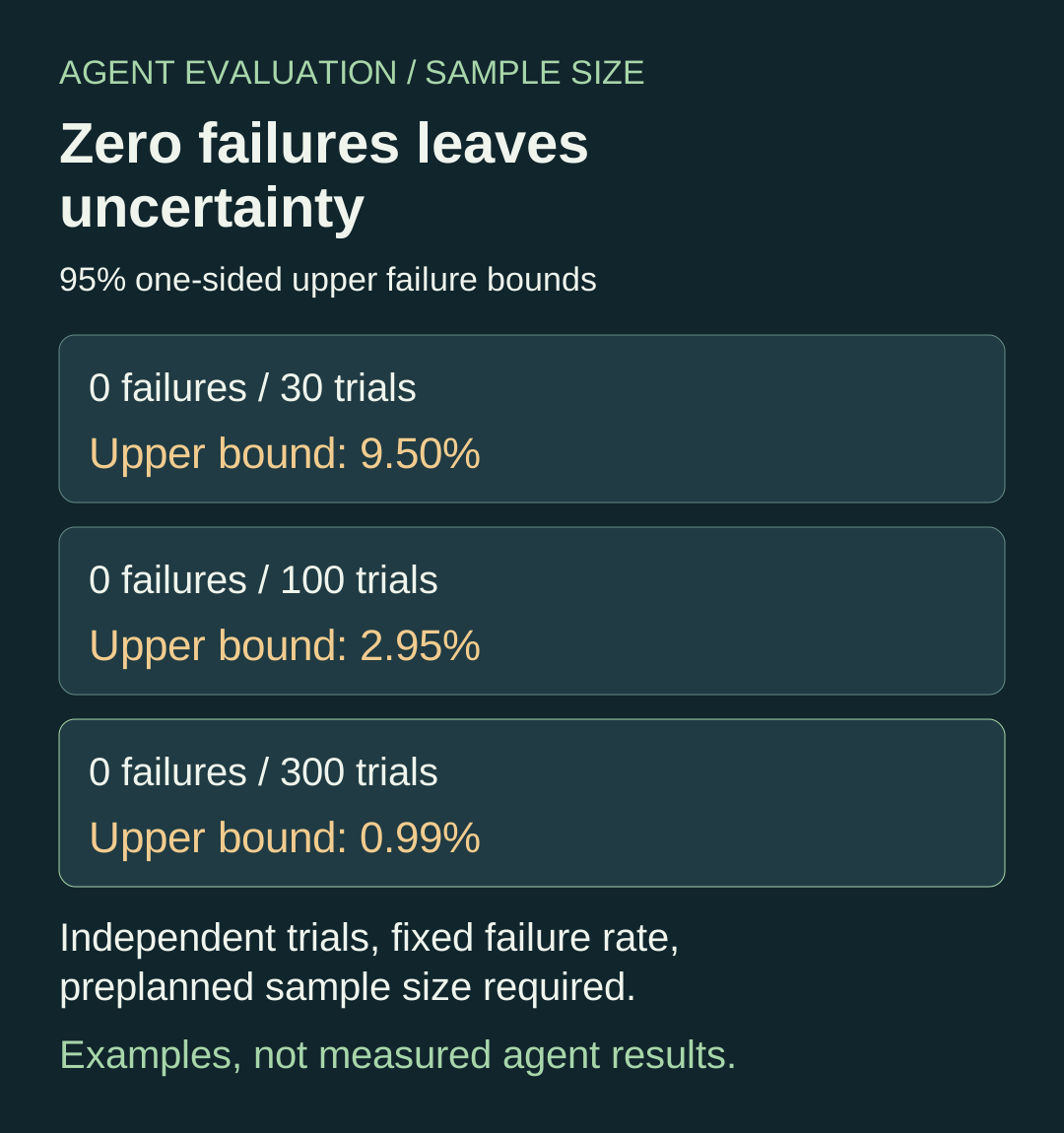
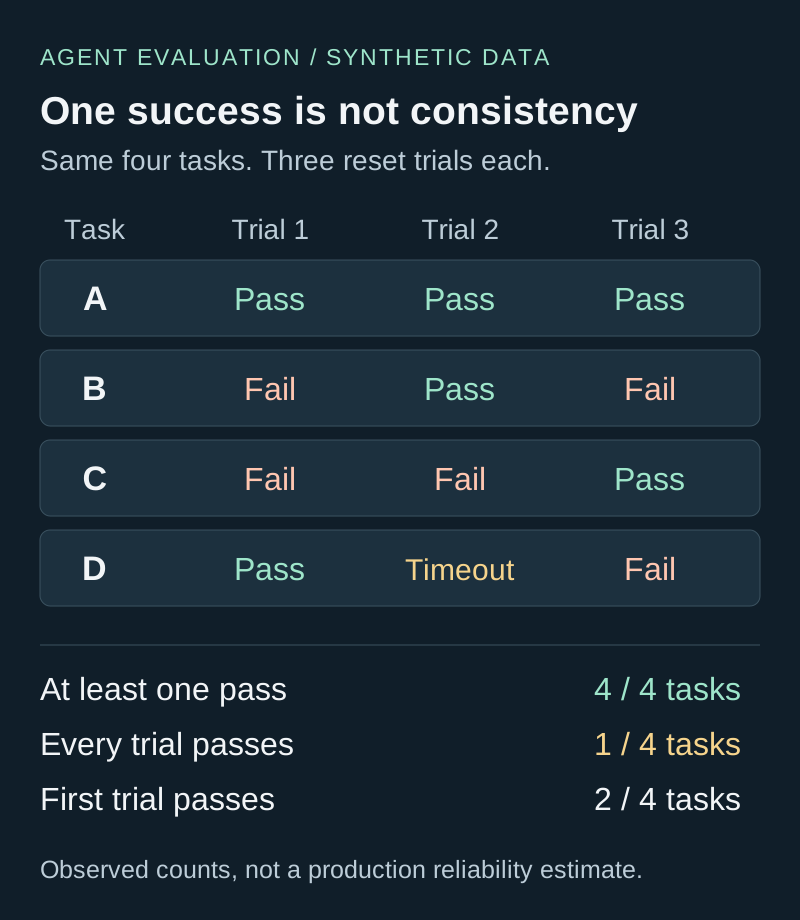
AI agent evaluation: a practical book on testing agents, inspecting traces and building release gates.
What is an AI agent?: a practical definition for production teams.
The model release is not your AI strategy: how to stay calm when the AI news cycle moves faster than your roadmap.
From AI POC to production: the operating model that makes AI survive beyond the demo.
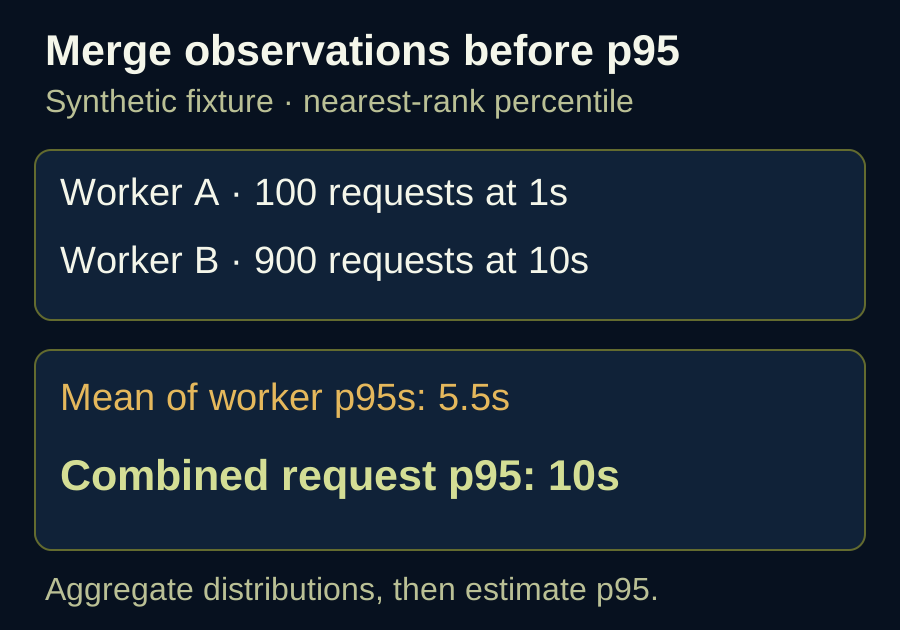
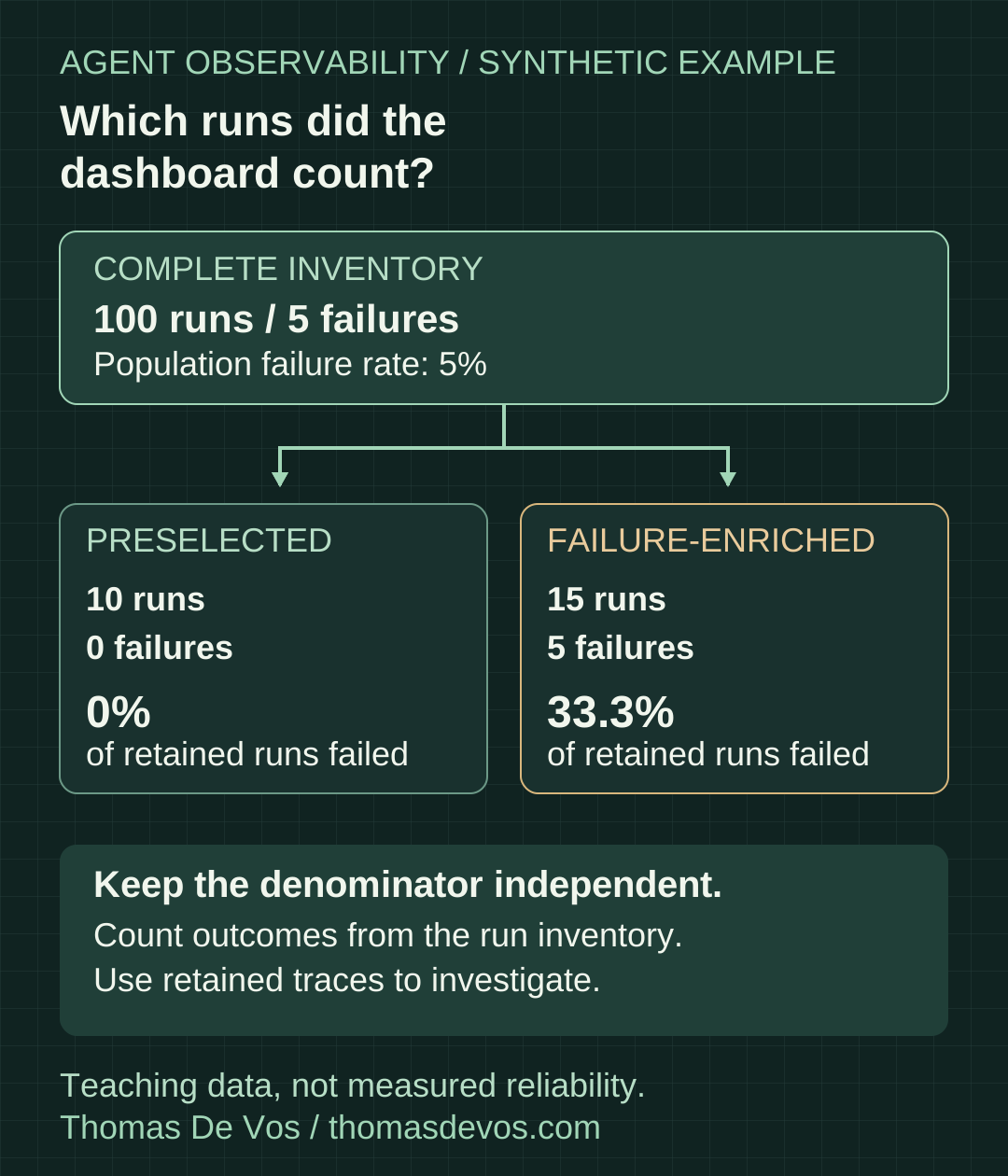
LLM observability: why production AI needs replayable evidence, not only dashboards.
Java vs Python for production AI applications: where experiments end and enterprise systems begin.
AI agents in financial services: controls before autonomy.
Agentic coding in production: the operating model around AI coding agents.
AI coding agents: Claude Code, software agents, permissions, evals, and review loops.
What the OpenAI and Hugging Face incident teaches about agent control: separate the viral AI-risk forecast from the control failure that is already documented.
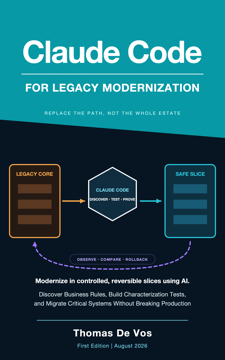
Claude Code for legacy modernization: recover hidden business rules, build a verification harness, and change critical systems without guessing.
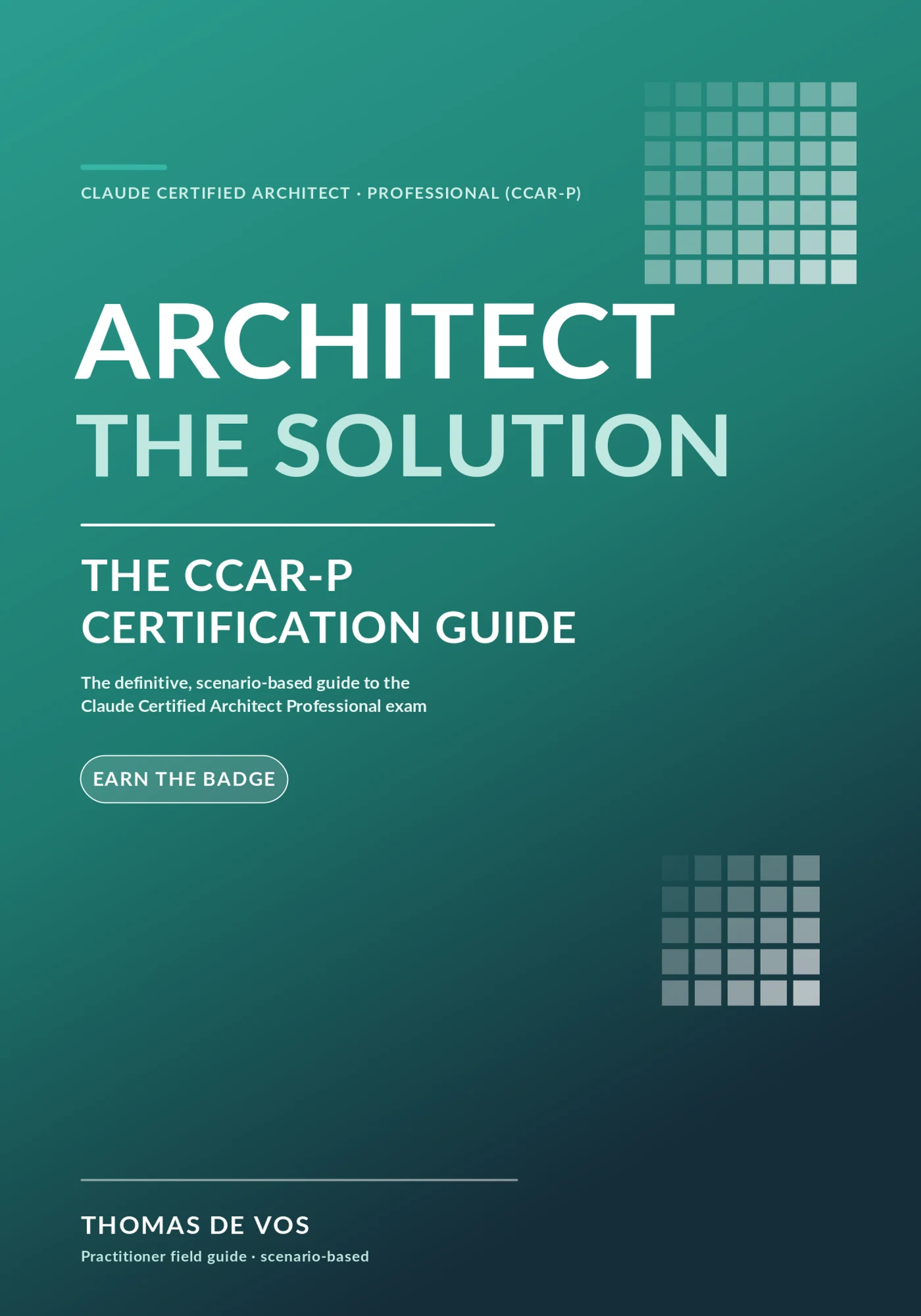
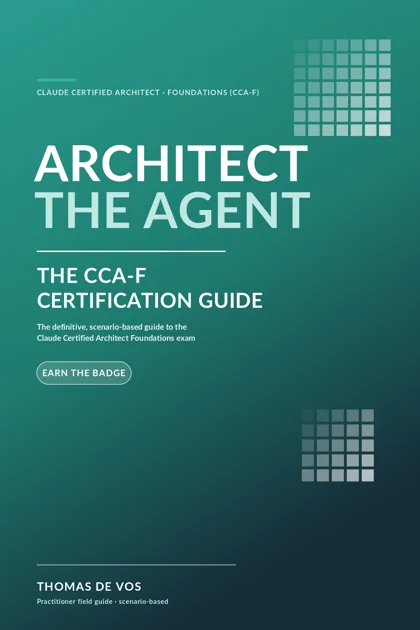
CCAR-F certification guide: scenario-based preparation for the Claude Certified Architect Foundations exam.
Claude Architect exam study method: how to prepare without memorising everything.
Wider AI notes
Not every useful AI article needs to point straight at a book. Some pieces are here because the topic matters: model releases, vendor churn, AI interfaces, adoption habits, organisational risk, and the way the industry keeps mistaking demos for direction.
I will keep a mix: practical production AI, security and governance, Claude Code field notes, and broader AI commentary when the news cycle exposes something worth saying.
Books
Practical field guides for production AI, agent evaluation, security, Claude Code, legacy modernization, and Claude architecture certification.
New on Leanpub
AI Agent Evals
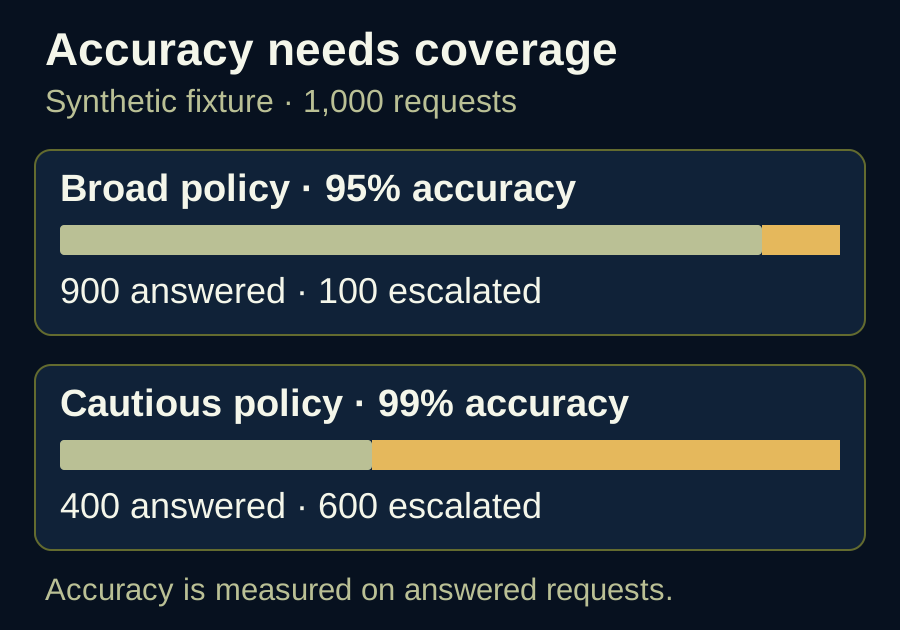
Build evaluation harnesses, test graders and turn failed agent runs into regression tests and release gates.
New on Leanpub and Kindle
OpenAI Evaluation Agents Hacked Hugging Face Systems
An evidence-led reconstruction of the hidden board, indirect attack paths, and controls the 2026 incident exposed.
Amazon, Leanpub, and Apple Books
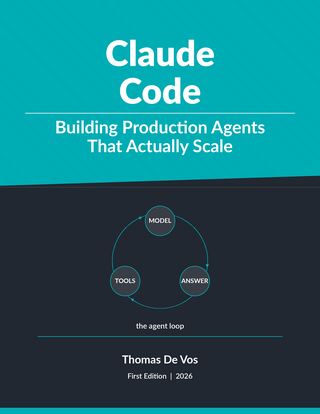
Claude Code: Building Production Agents That Actually Scale
Claude Code in real repos: MCP, permissions, hooks, evals, observability, cost controls, review, and rollback.
Packt edition · Pre-order
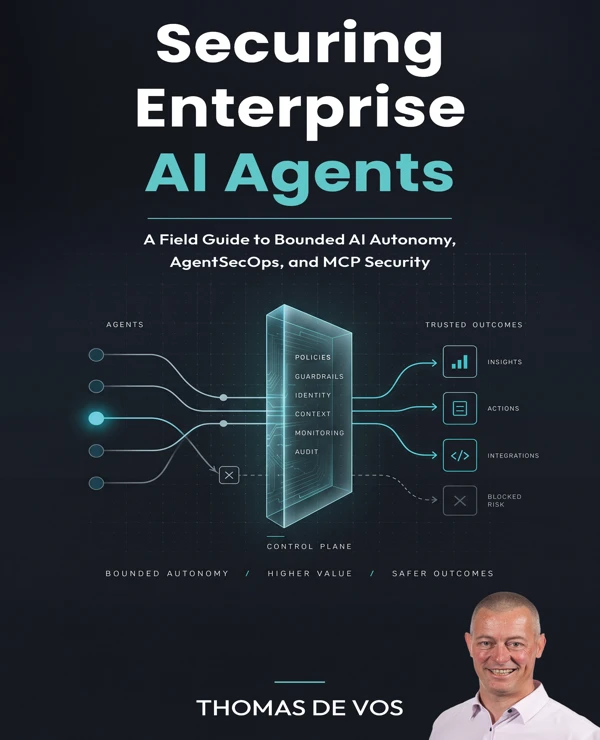
Securing Enterprise AI Agents
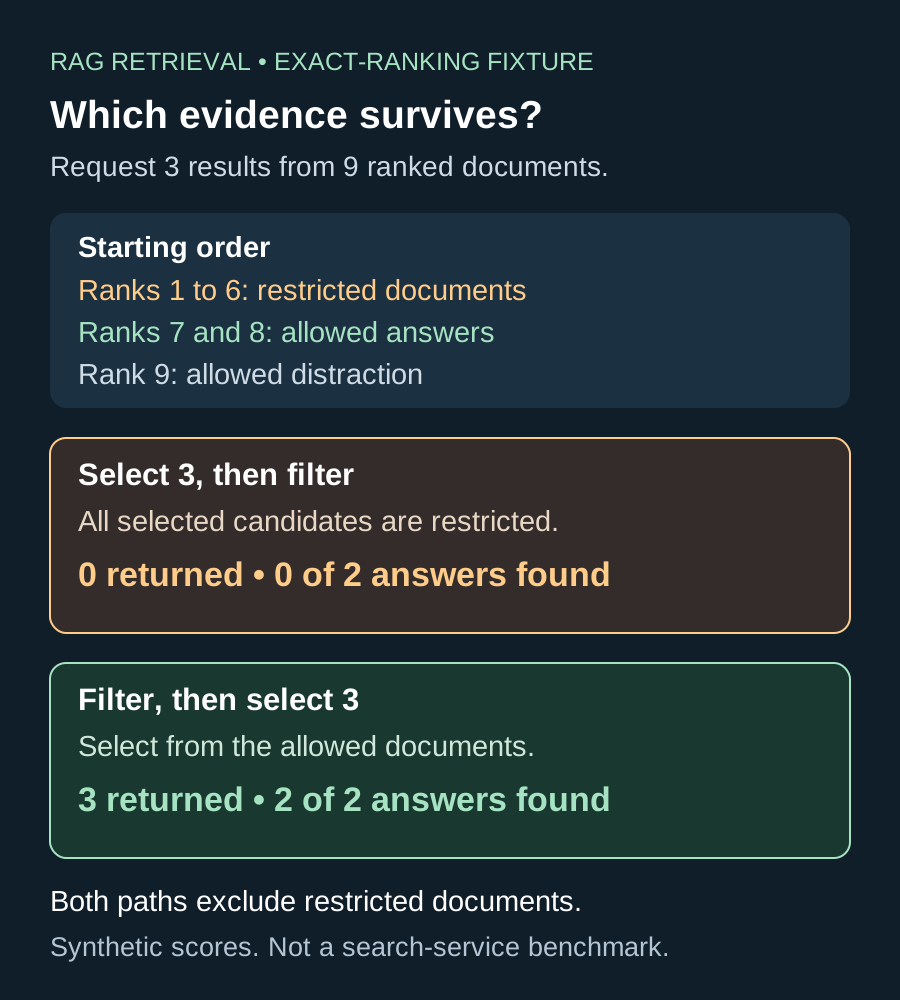
AI agent security, bounded autonomy, AgentSecOps, MCP security, RAG governance, and audit evidence.
What I am trying to answer
Claude Code and other AI coding agents are already useful. The harder question is what happens when they meet real repositories, review habits, permissions, tests, production risk, and now formal architecture certification.
The strongest posts so far:
- Claude Code is not the product. The production loop is.
- Claude Code agents need a flight recorder
- Claude Code permissions: the production mistake that bites later
- Claude Code evals should start with bad runs
- How to study for the Claude Architect exam without memorising everything
- CCA exam preparation: think in boundaries, not product features
- The Claude Architect exam is a judgment exam, not a memory test