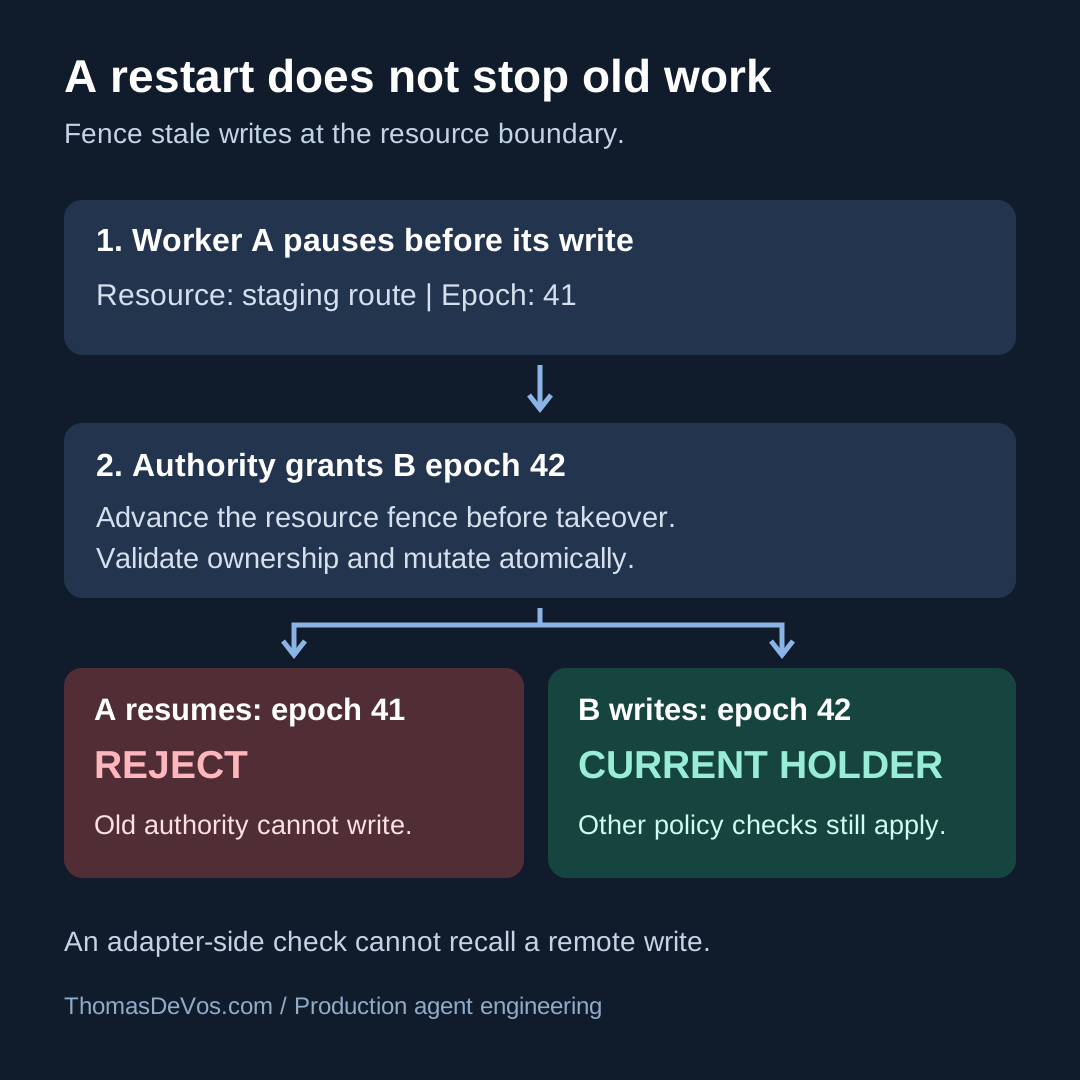
Claude Code restarted. Its old MCP worker kept writing.
A replacement worker does not silence the old one. Fence stale MCP writes at the resource boundary before a resumed job overwrites newer work.
A replacement worker does not silence the old one. Fence stale MCP writes at the resource boundary before a resumed job overwrites newer work.
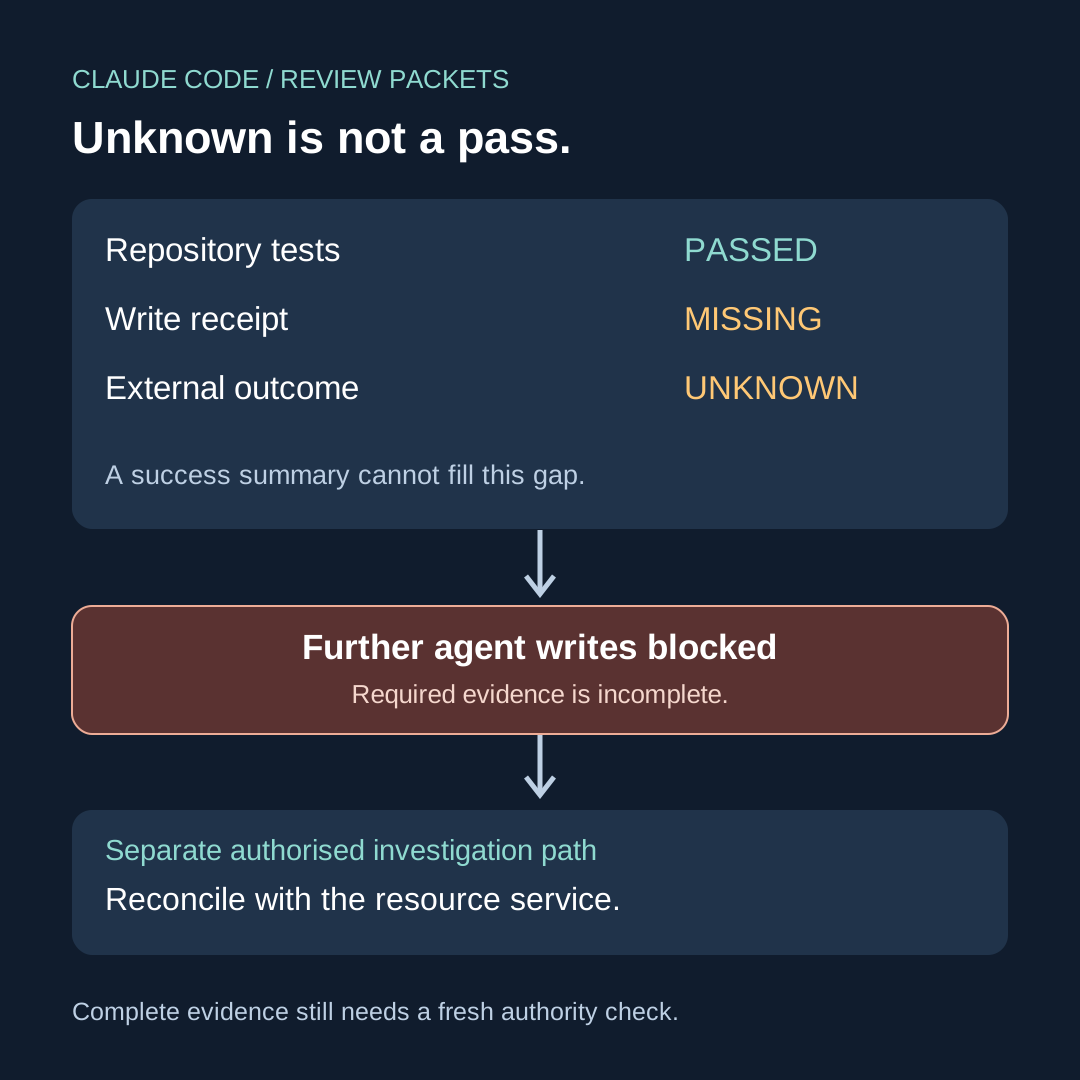
Passing tests cannot settle a missing MCP write receipt. Give unresolved effects a status that the approval gate cannot ignore.
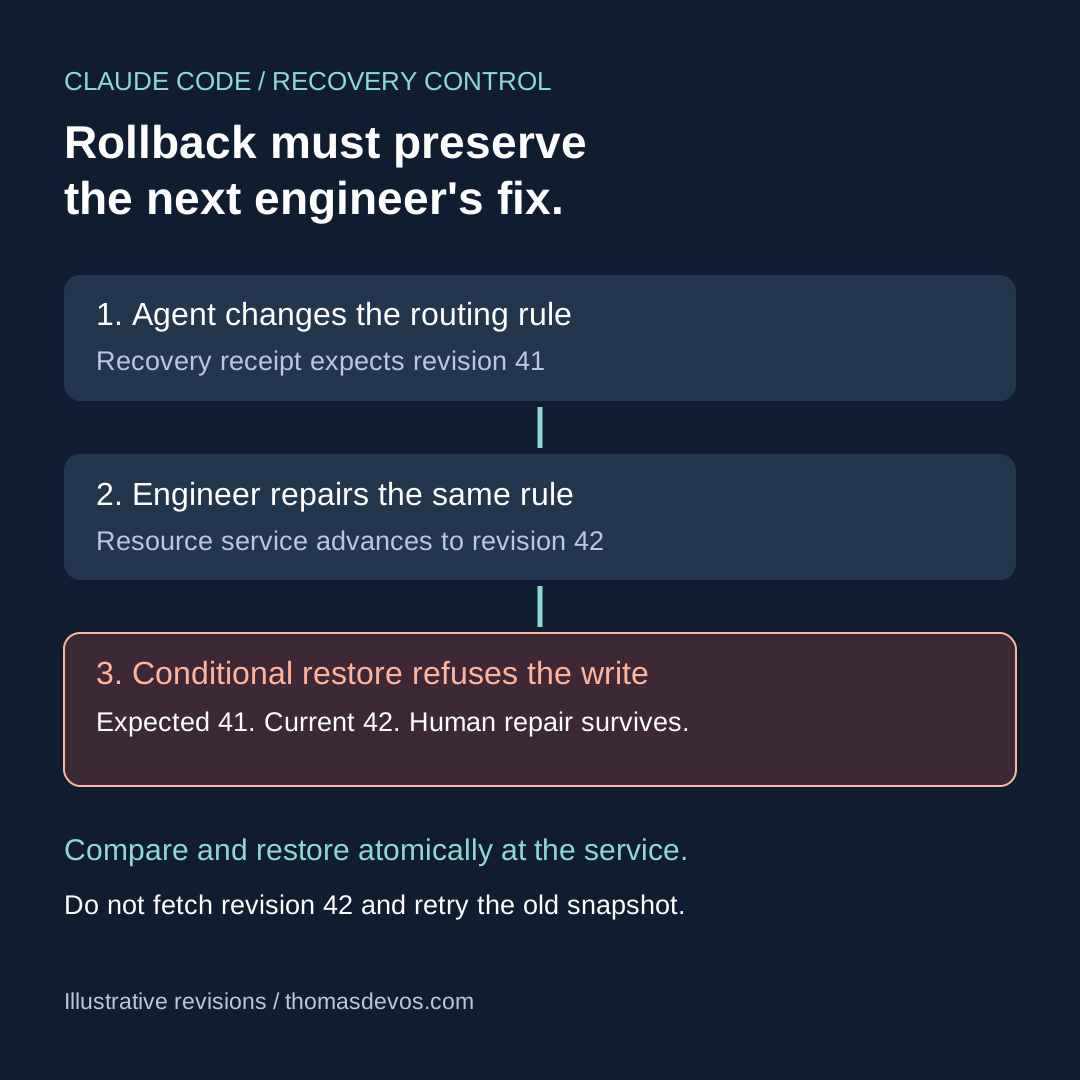
A saved snapshot can undo the agent’s change and somebody else’s repair. Make recovery conditional on the revision the agent wrote.
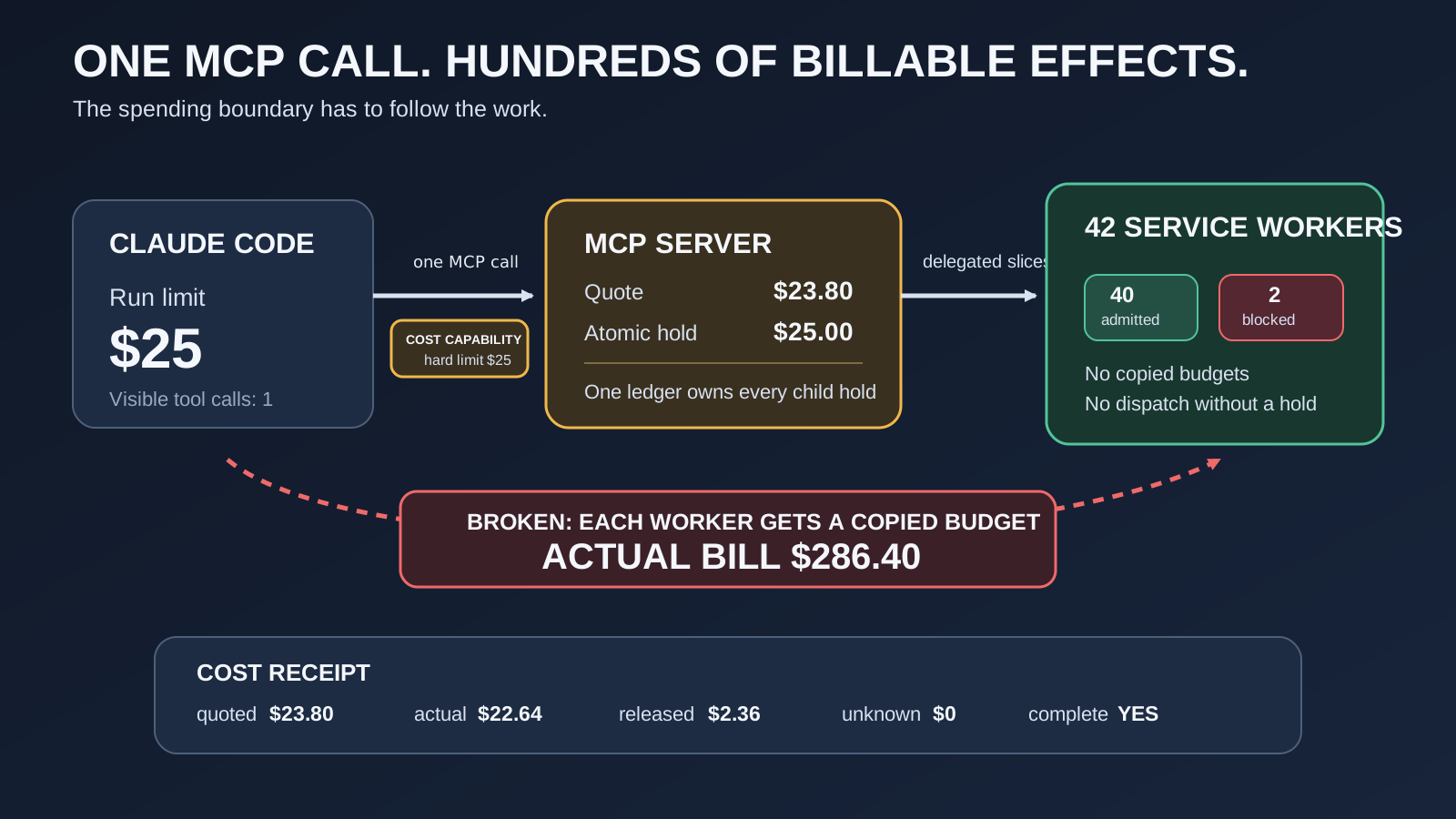
The Claude Code run had a $25 limit and made one MCP call. Hidden fan-out behind the server produced a $286.40 bill.
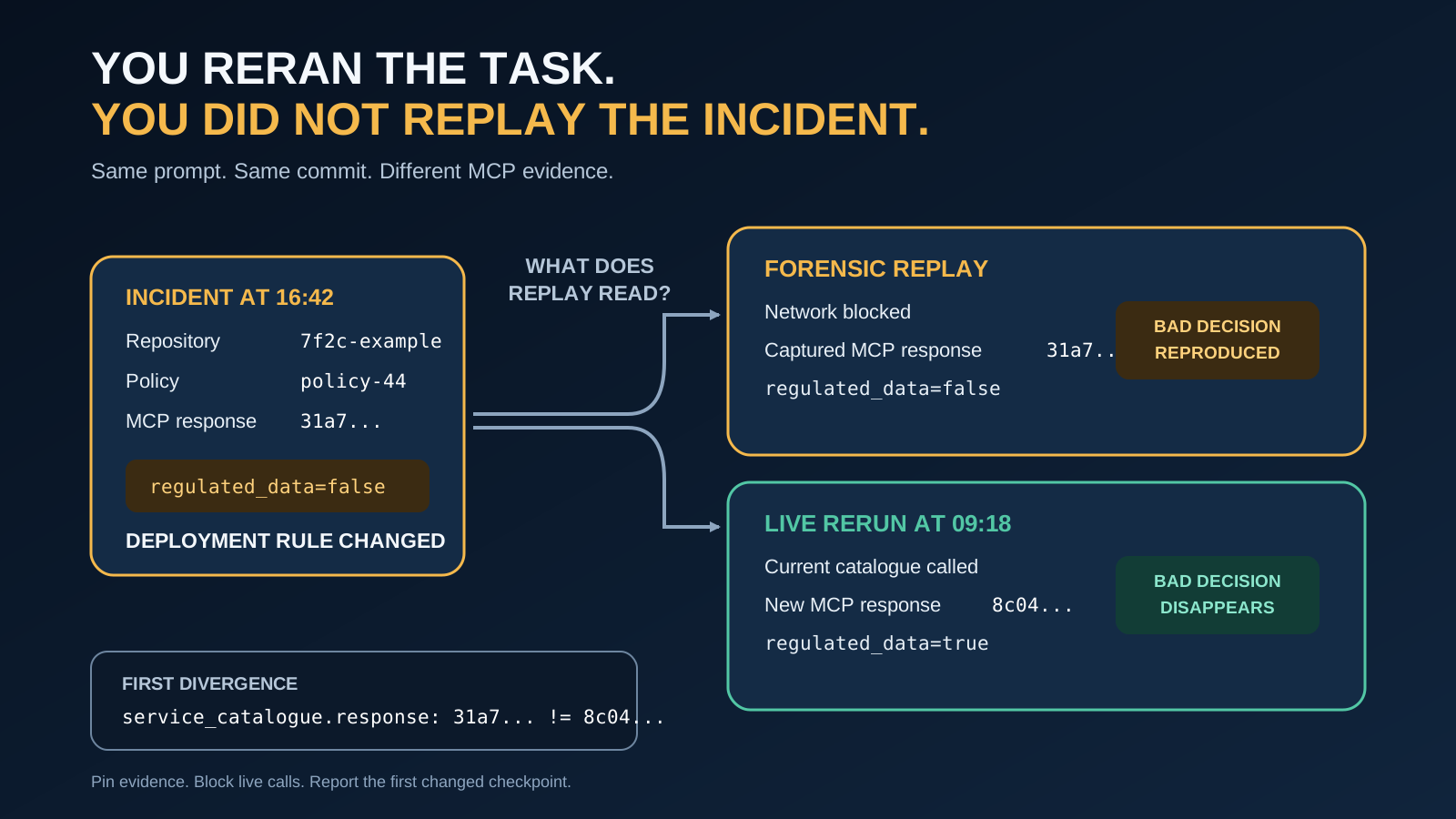
The same prompt and repository commit produced a clean replay because an MCP tool returned newer evidence. The team had rerun the task, not reproduced the incident.
Jacob Coxon’s resignation and Evan Hubinger’s AI-risk estimate have revived the safety debate. A documented agent-control failure offers a more immediate lesson.
OpenAI Evaluation Agents Hacked Hugging Face Systems is now live on Leanpub and Amazon Kindle, with an evidence-led reconstruction and practical AgentSecOps controls.
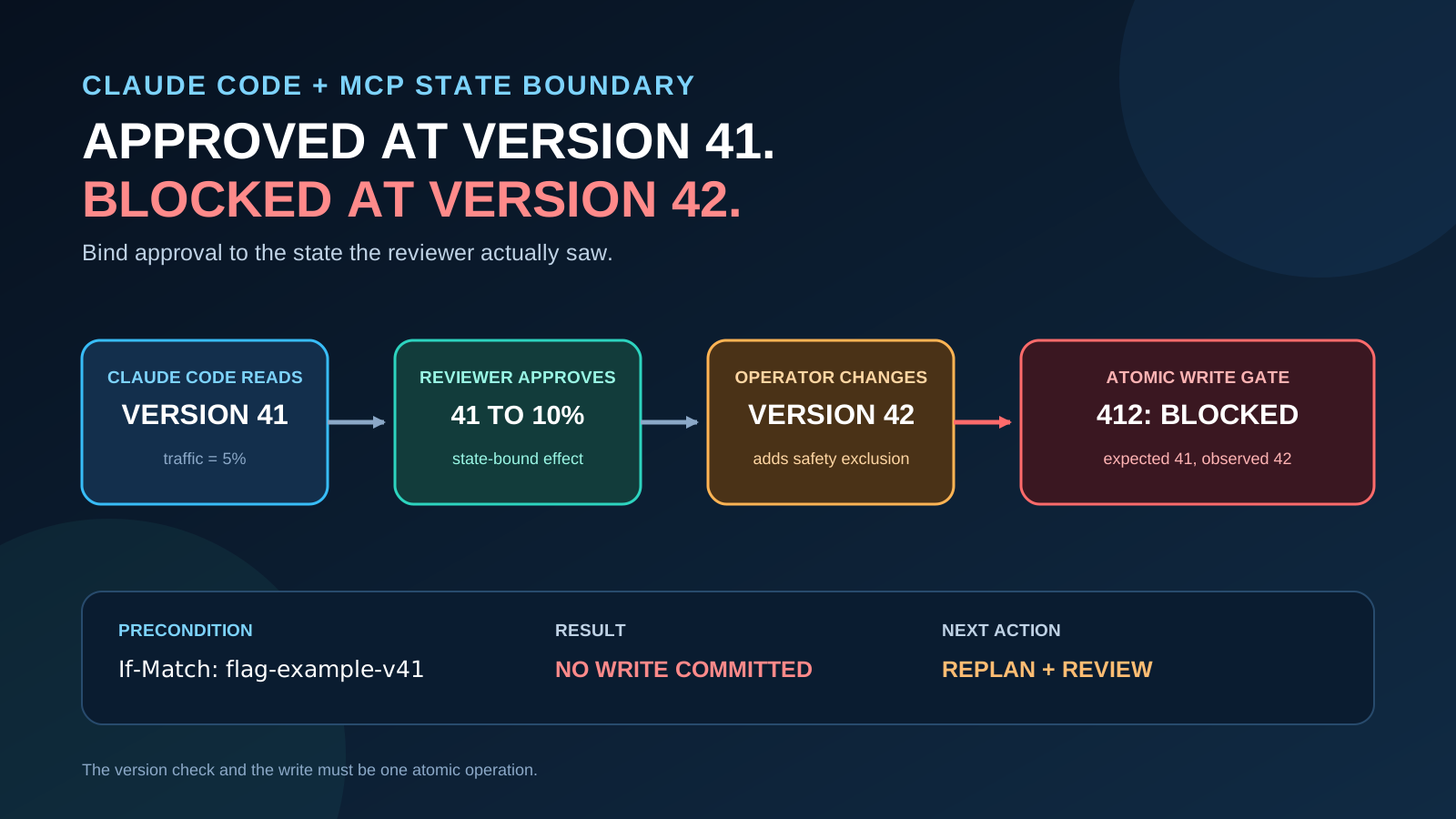
A reviewer approved a Claude Code change against resource version 41. By execution time, version 42 existed, but the MCP write replaced it anyway.

A permitted CI retry reached production through an artifact event and a more powerful release service. Tool permissions missed the effect that mattered.
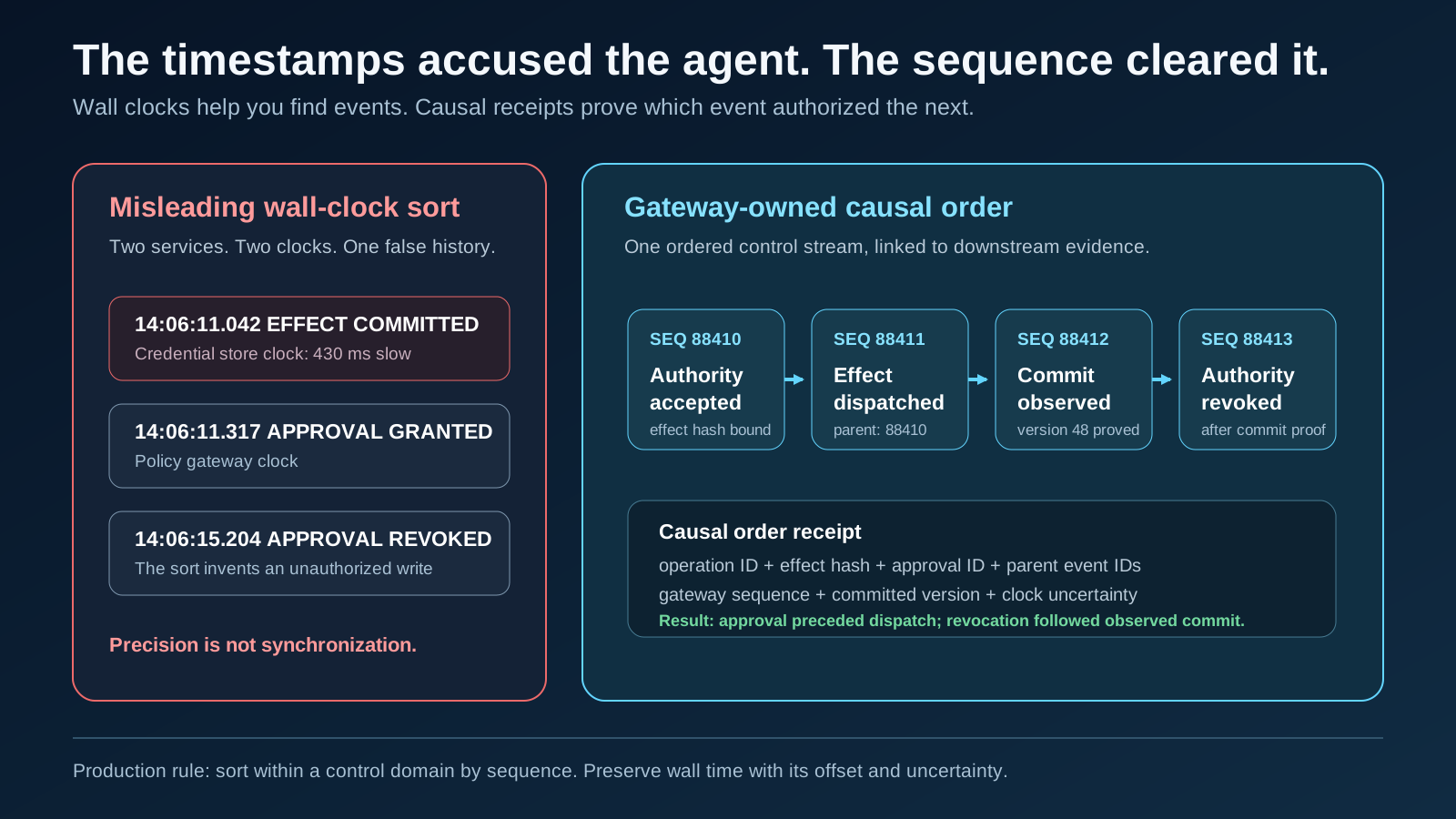
Clock skew made an approved Claude Code run look unauthorized. Wall-clock timestamps cannot prove the order of a production agent’s approval, dispatch, commit, and revocation.