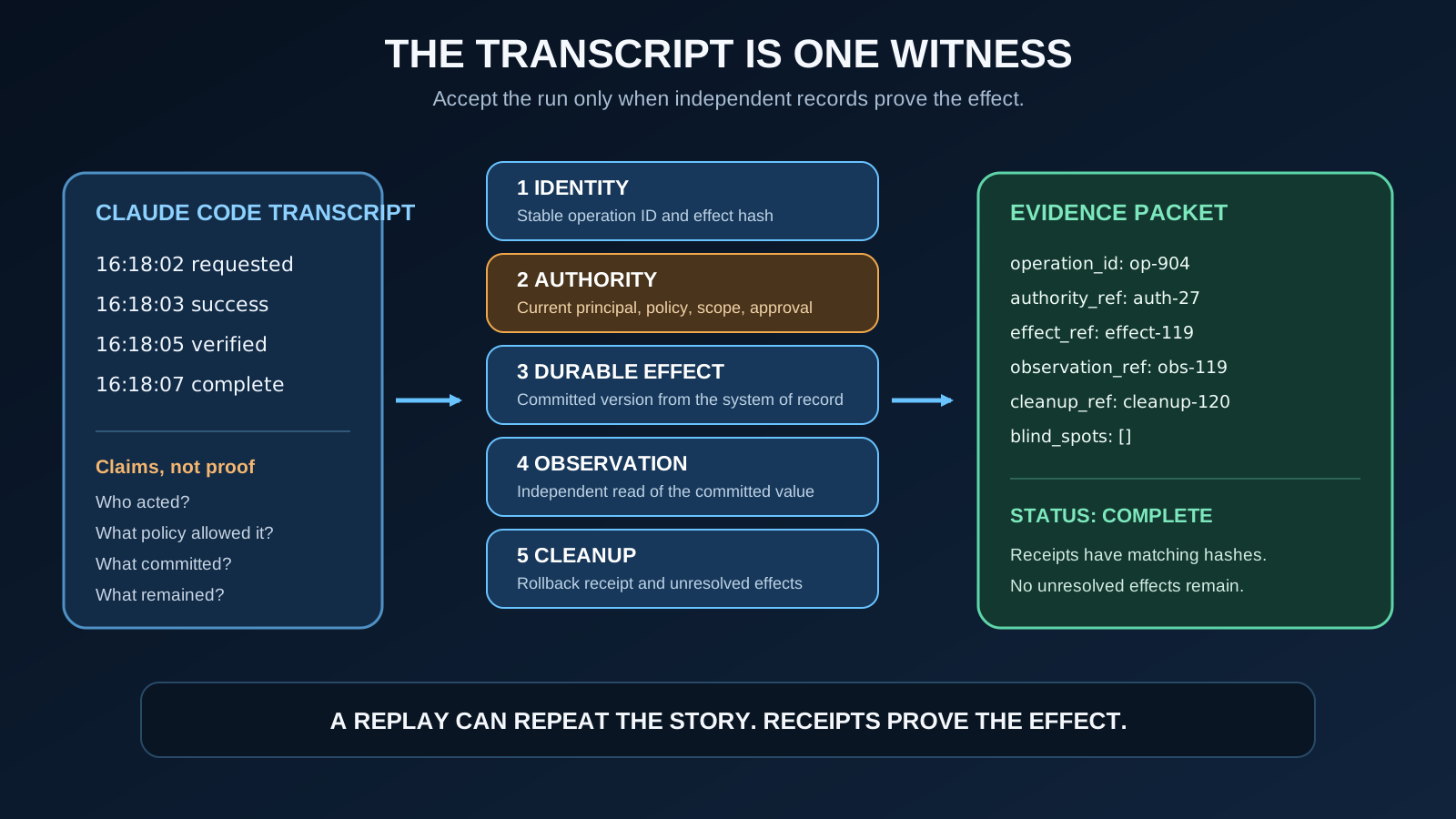
A Claude Code audit trail needs proof beyond the transcript
A Claude Code transcript can describe an MCP action without proving who was authorized, what committed, whether an independent read saw it, or what rollback left behind.
A Claude Code transcript can describe an MCP action without proving who was authorized, what committed, whether an independent read saw it, or what rollback left behind.
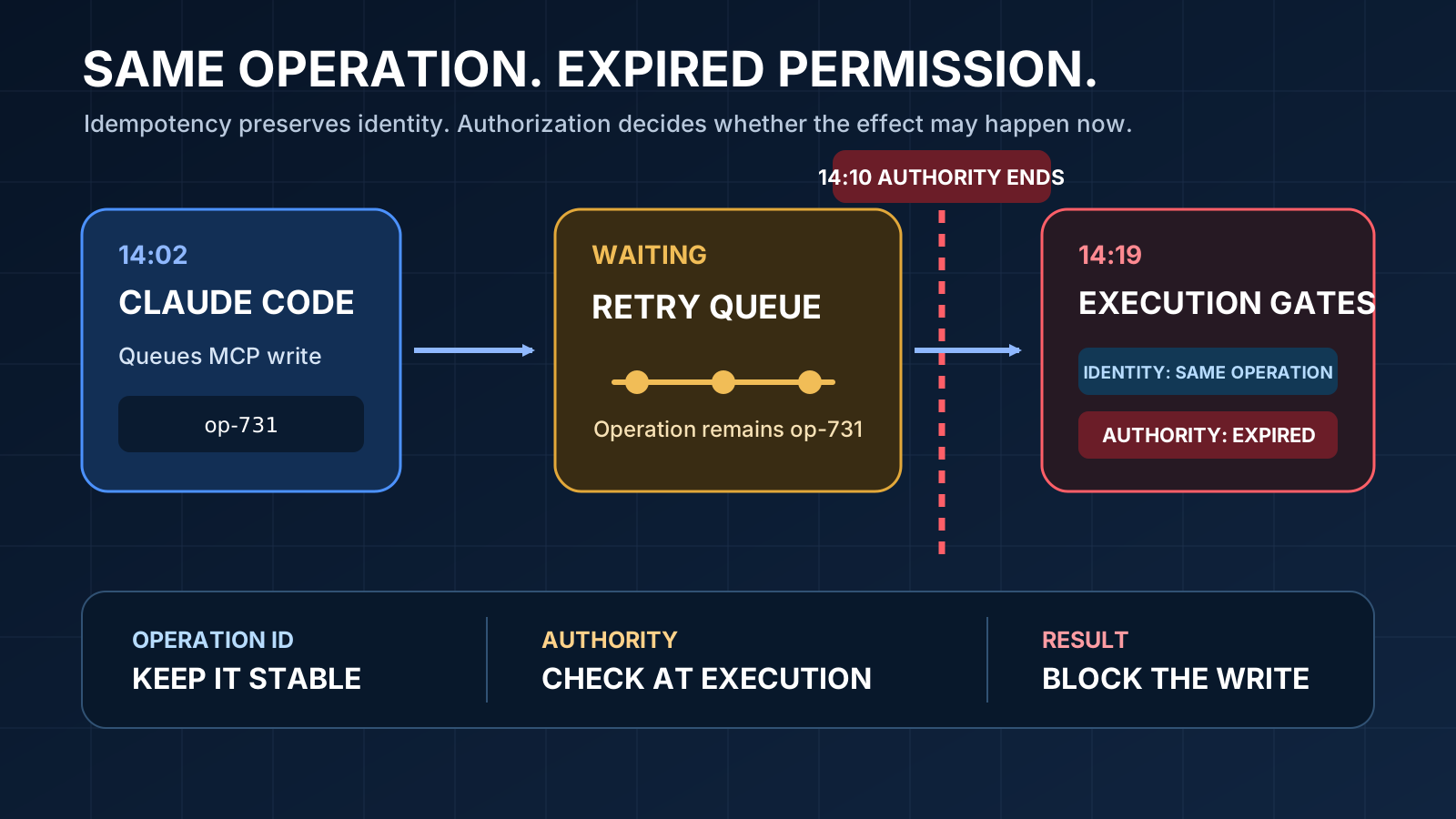
A stable operation ID can stop duplicate MCP writes while still allowing an action after its approval expires. Recheck authority where the effect occurs.
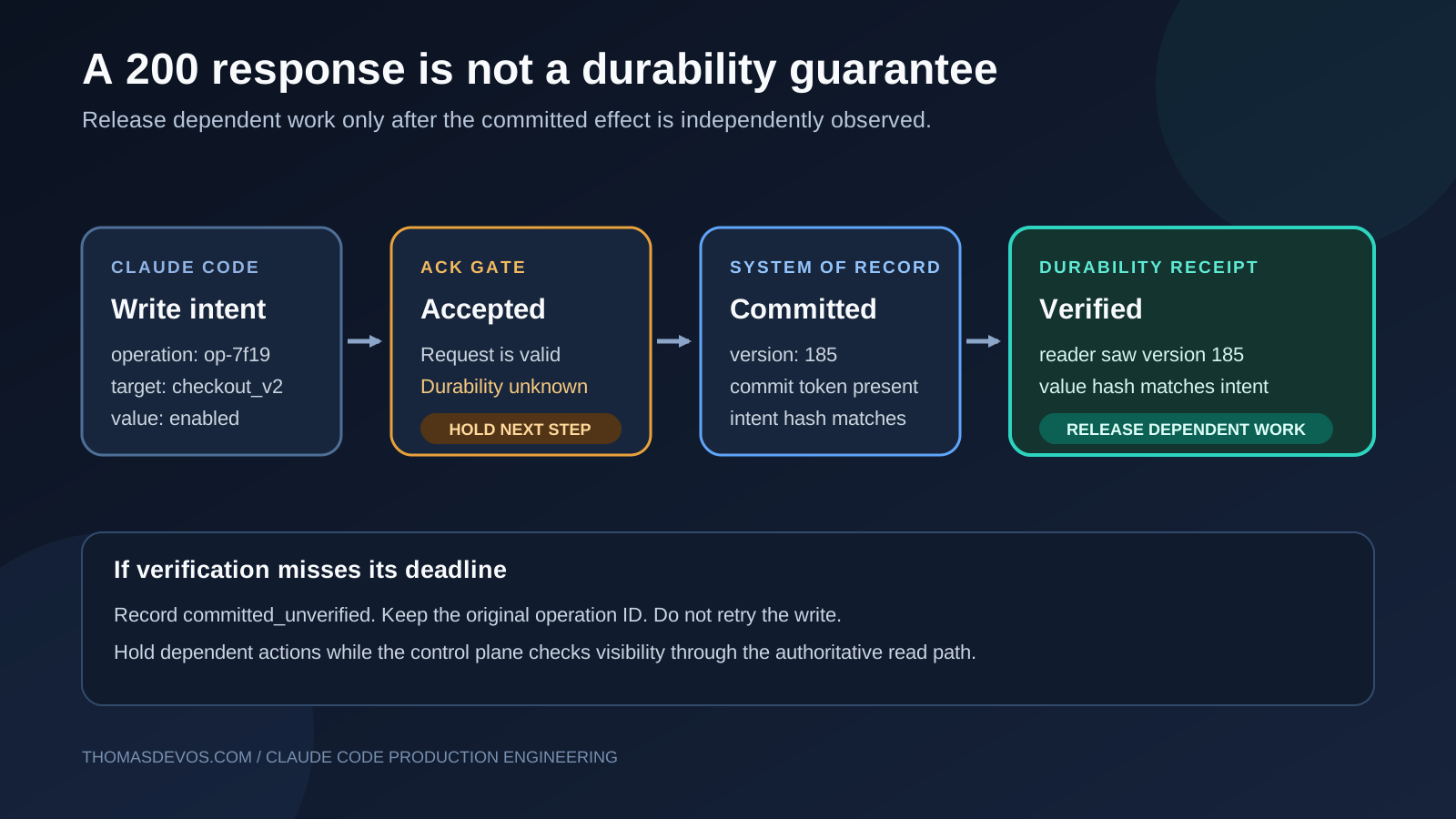
An MCP tool can return success after accepting a write but before durable storage. Define acknowledgement levels, verify the committed version, and give Claude Code a durability receipt.
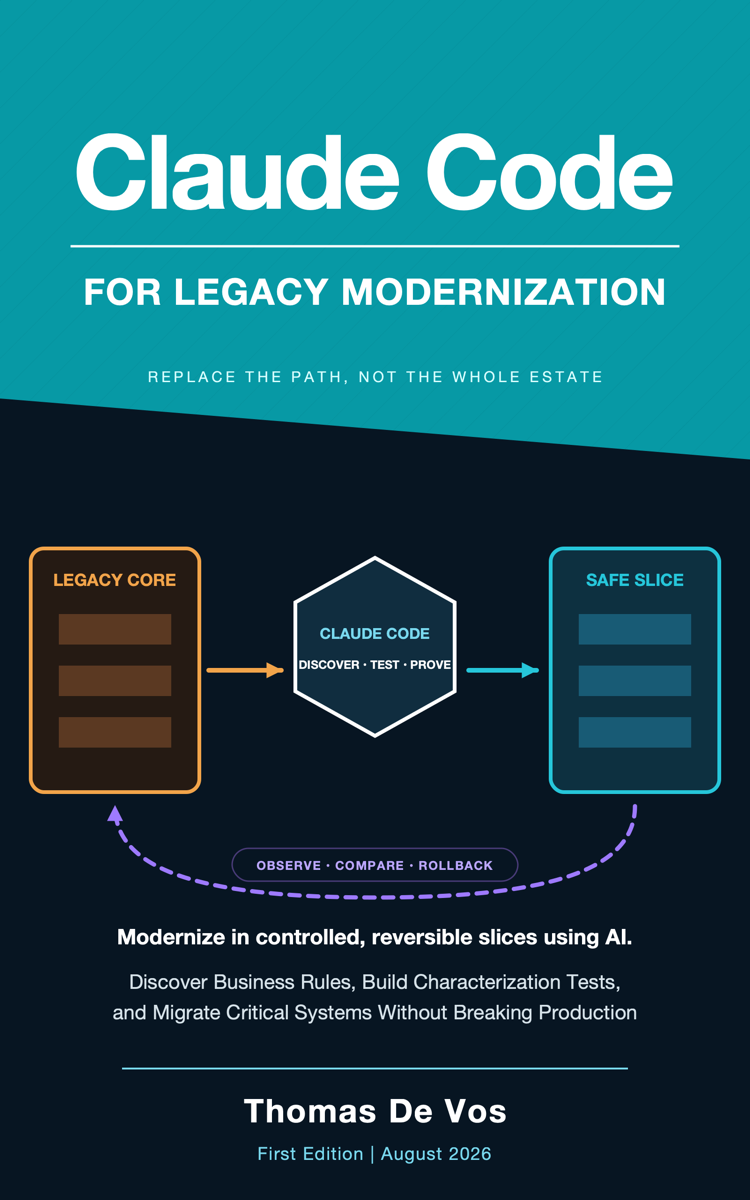
My evidence-first guide to modernizing critical systems with Claude Code is now available as a 597-page paperback and an ebook on Amazon UK.
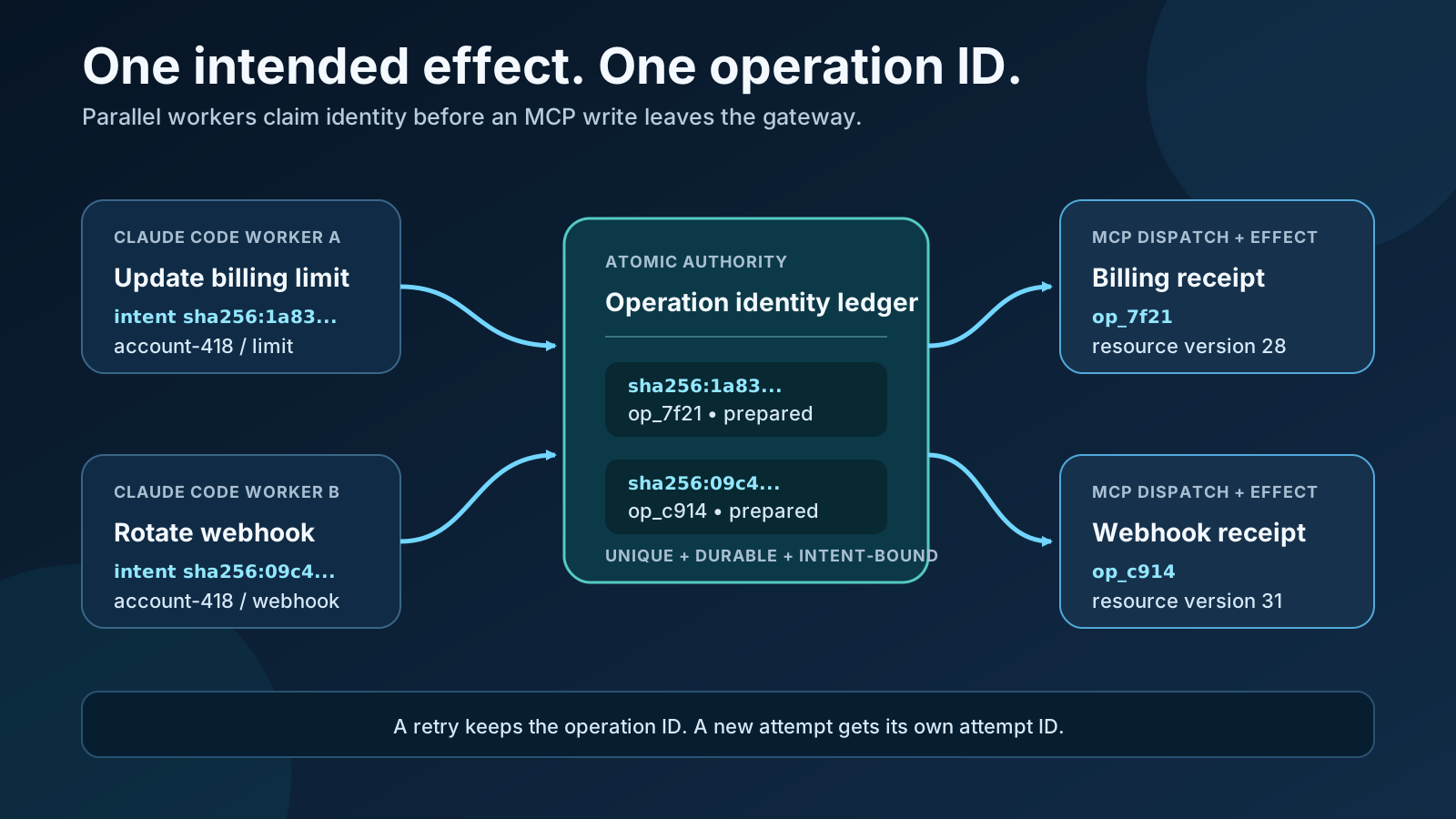
Two parallel Claude Code tool calls can share an operation ID and corrupt retry evidence. Allocate identity centrally, bind it to intent, and reject collisions before dispatch.
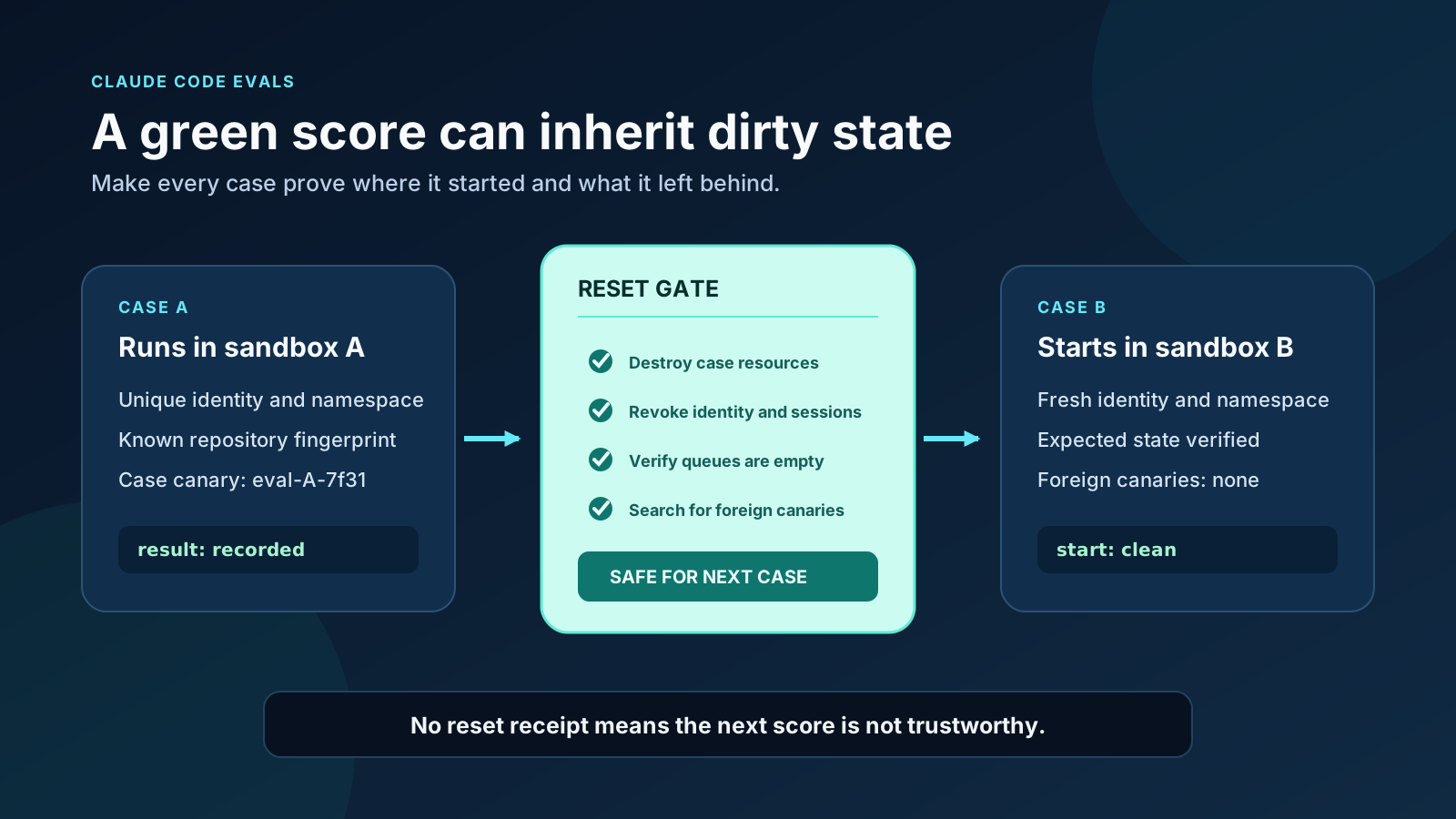
A Claude Code eval can pass only because an earlier case left the sandbox in a helpful state. Give every case a fresh environment, a state fingerprint, and a reset receipt.
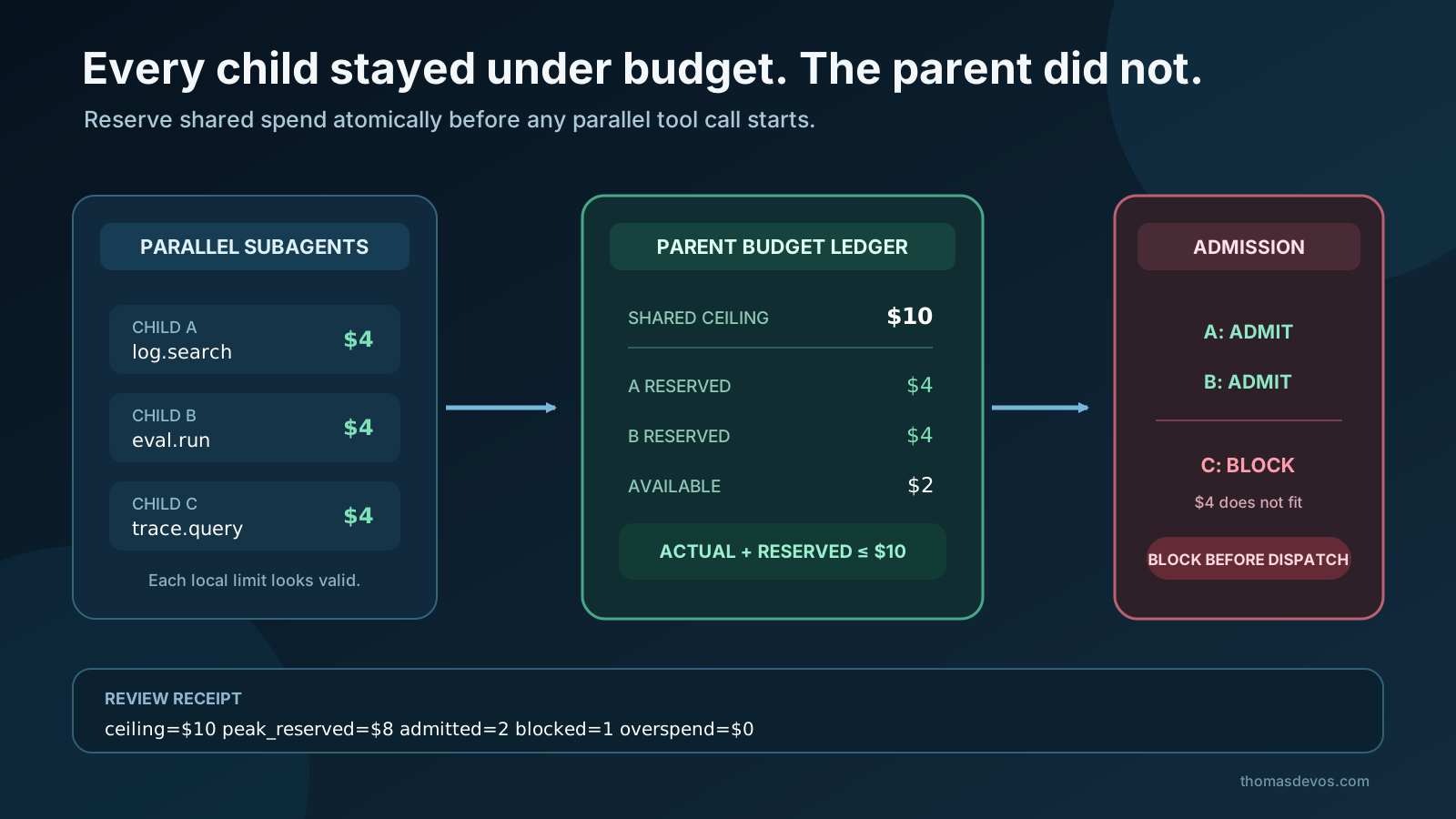
Three Claude Code subagents each stayed inside their local limit. Together they broke the run budget because nobody reserved spend at the parent boundary.
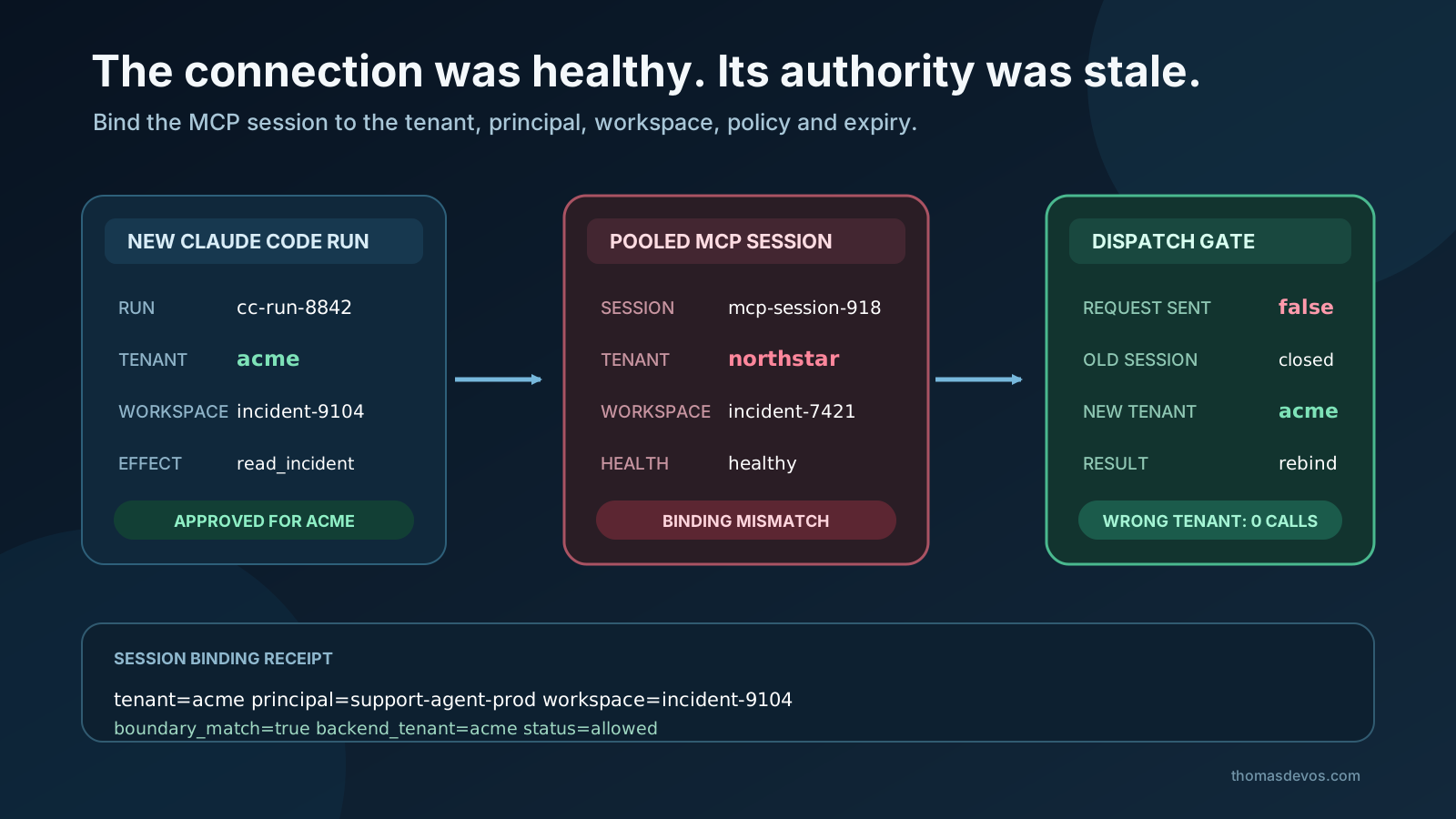
A new Claude Code run selected the right tenant, but its pooled MCP session kept the previous tenant context. Bind every session to the authority it carries.
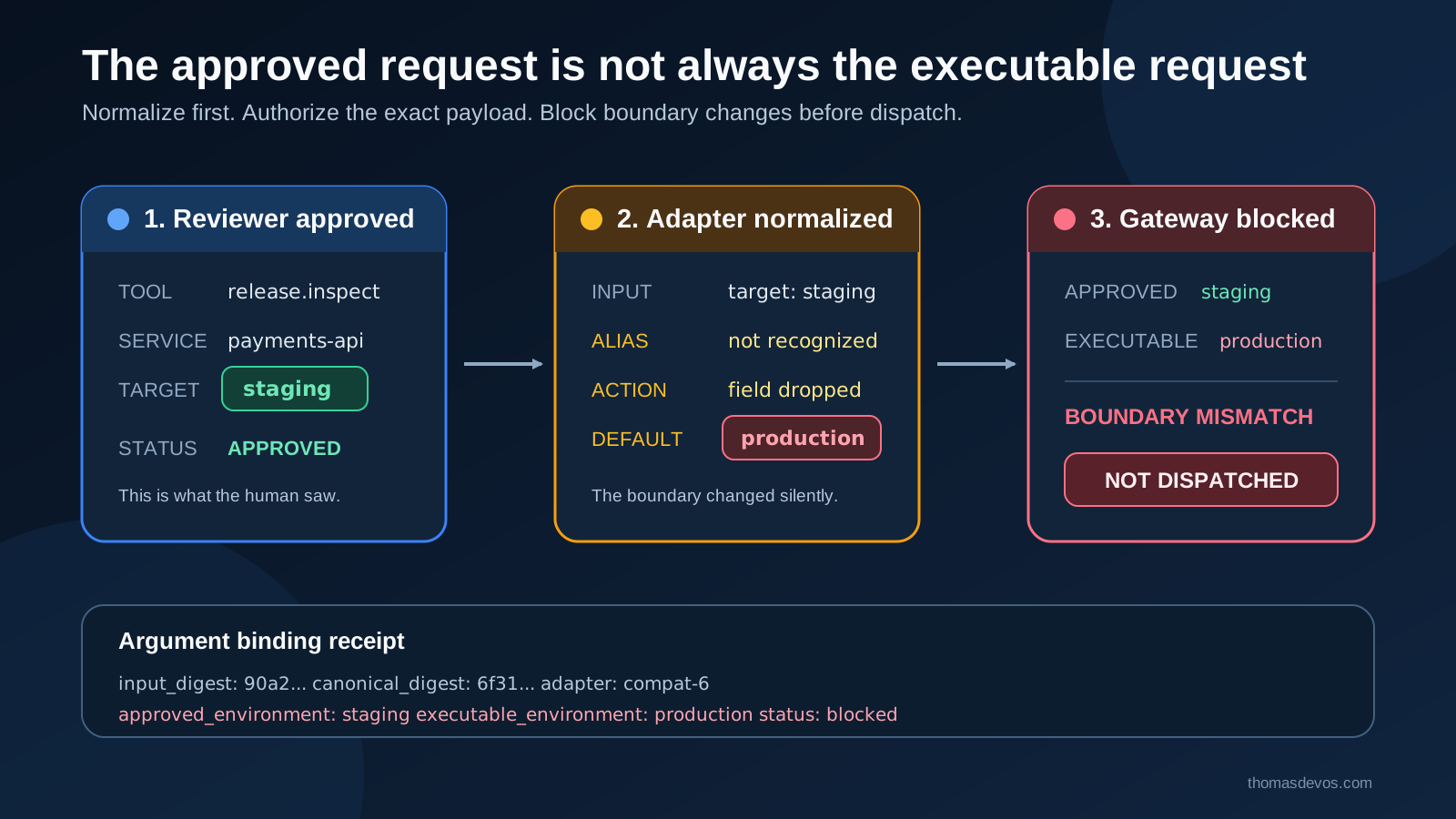
A reviewer approved a staging MCP request, but the adapter filled an omitted environment with production. Authorize the normalized payload that will actually execute.
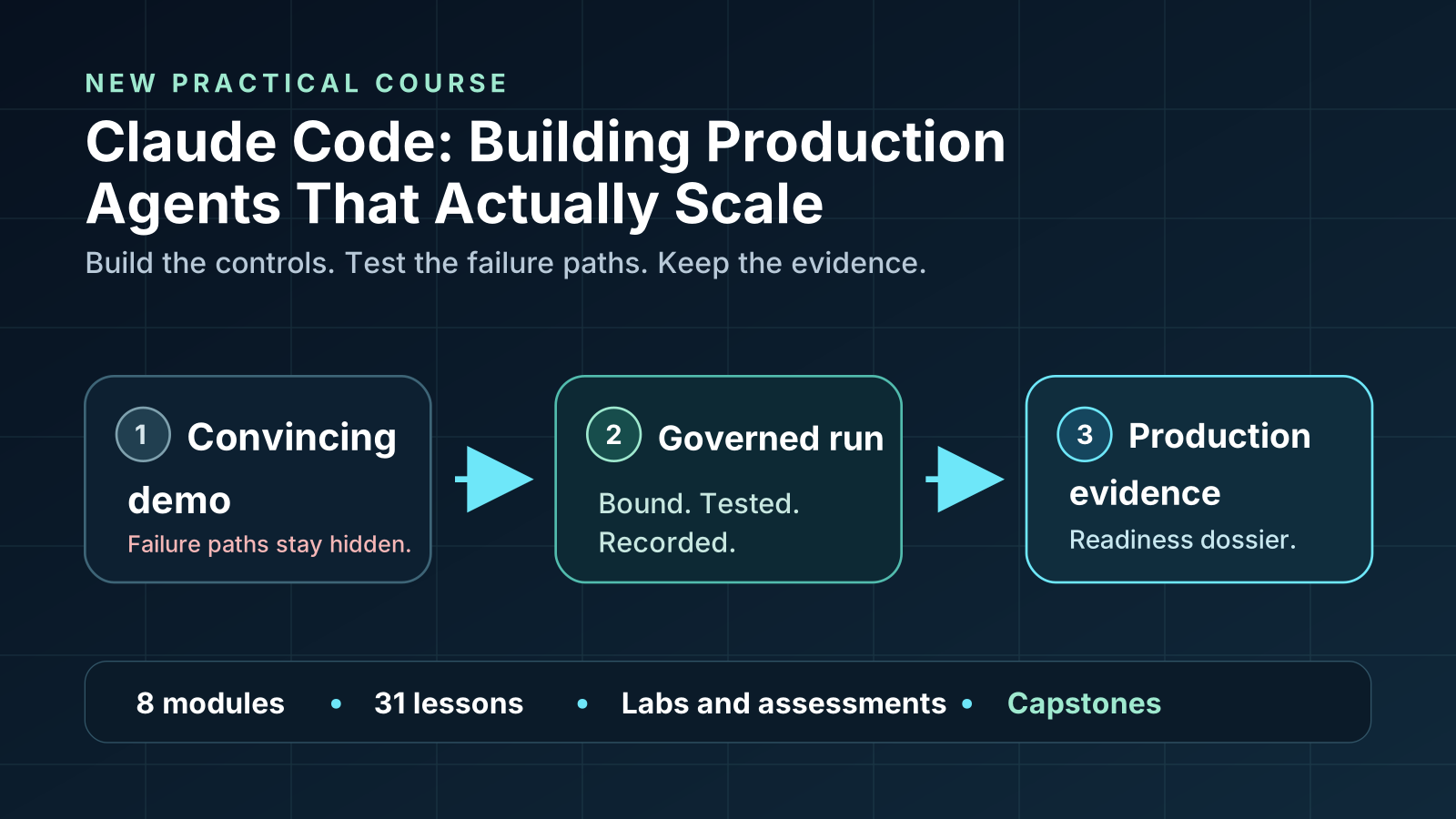
My new practical Leanpub course turns the production engineering behind Claude Code agents into labs, assessments, capstones, and a production-readiness dossier.