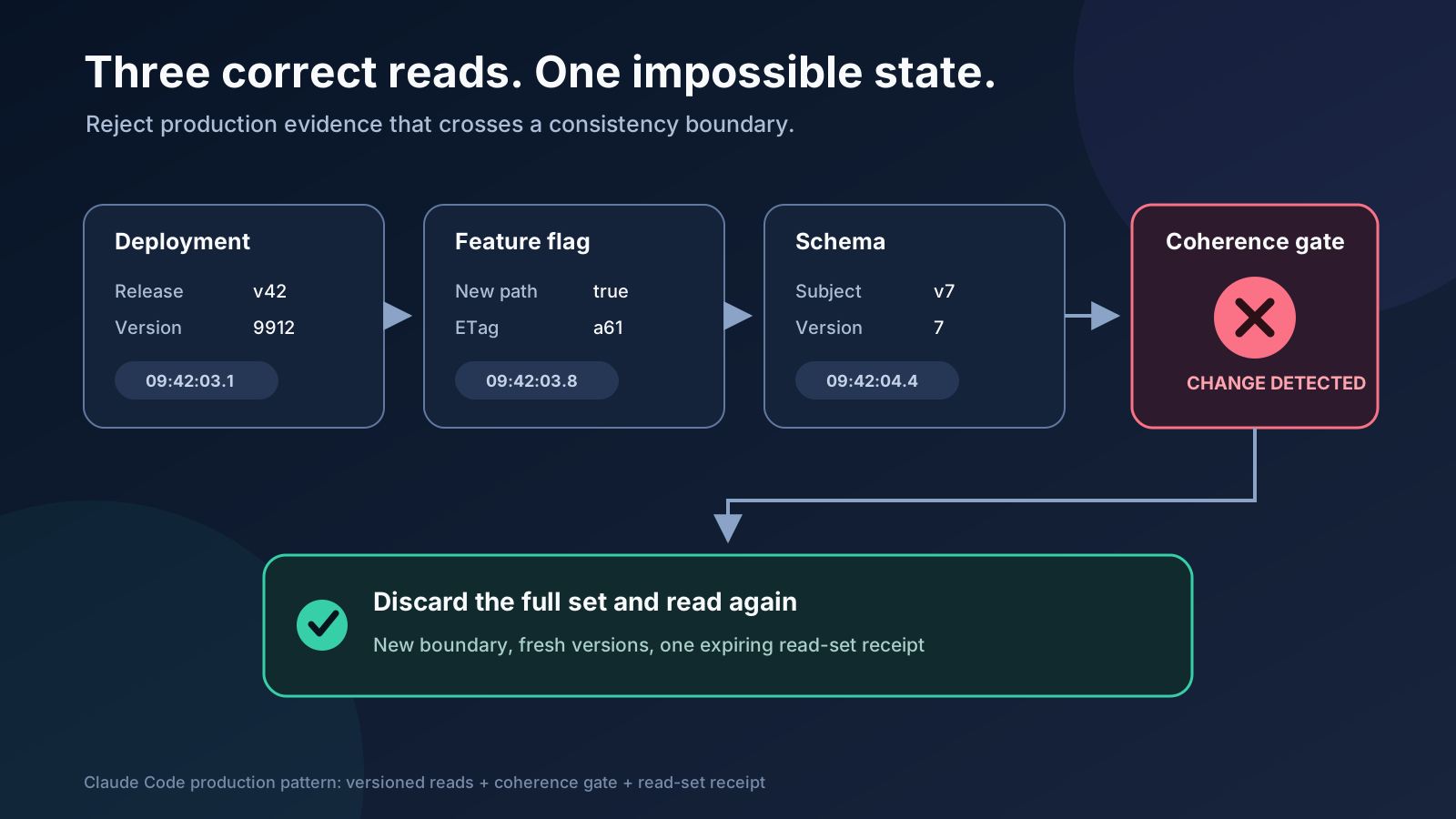
Reject a Claude Code plan built from a mixed snapshot
Claude Code can read three correct facts and still build a plan for a system state that never existed. Record a coherent read set and reject evidence that crosses a consistency boundary.
Claude Code can read three correct facts and still build a plan for a system state that never existed. Record a coherent read set and reject evidence that crosses a consistency boundary.
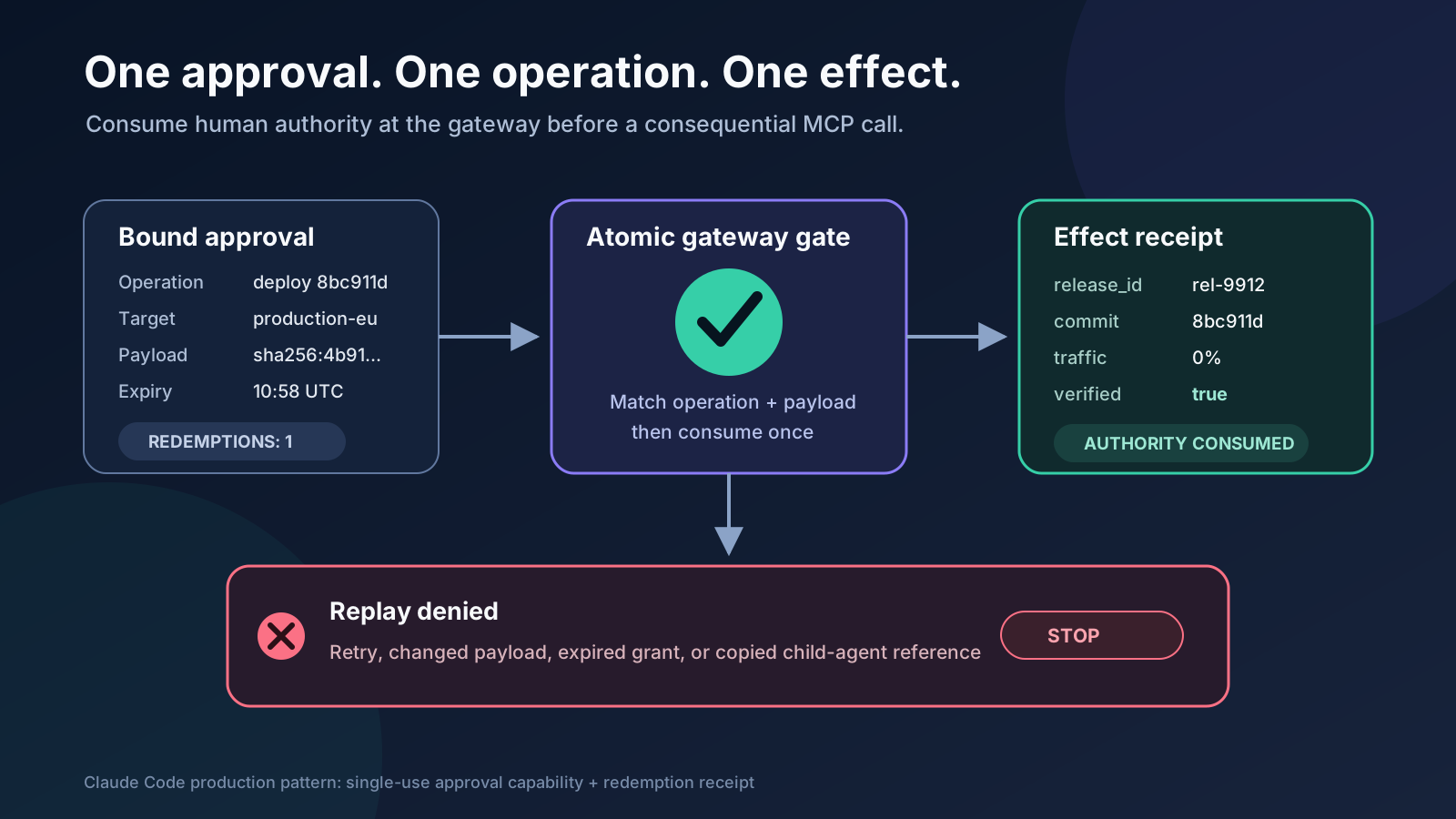
A human approval should authorize one exact Claude Code effect, not every retry that follows. Issue a single-use capability and record its redemption at the tool gateway.
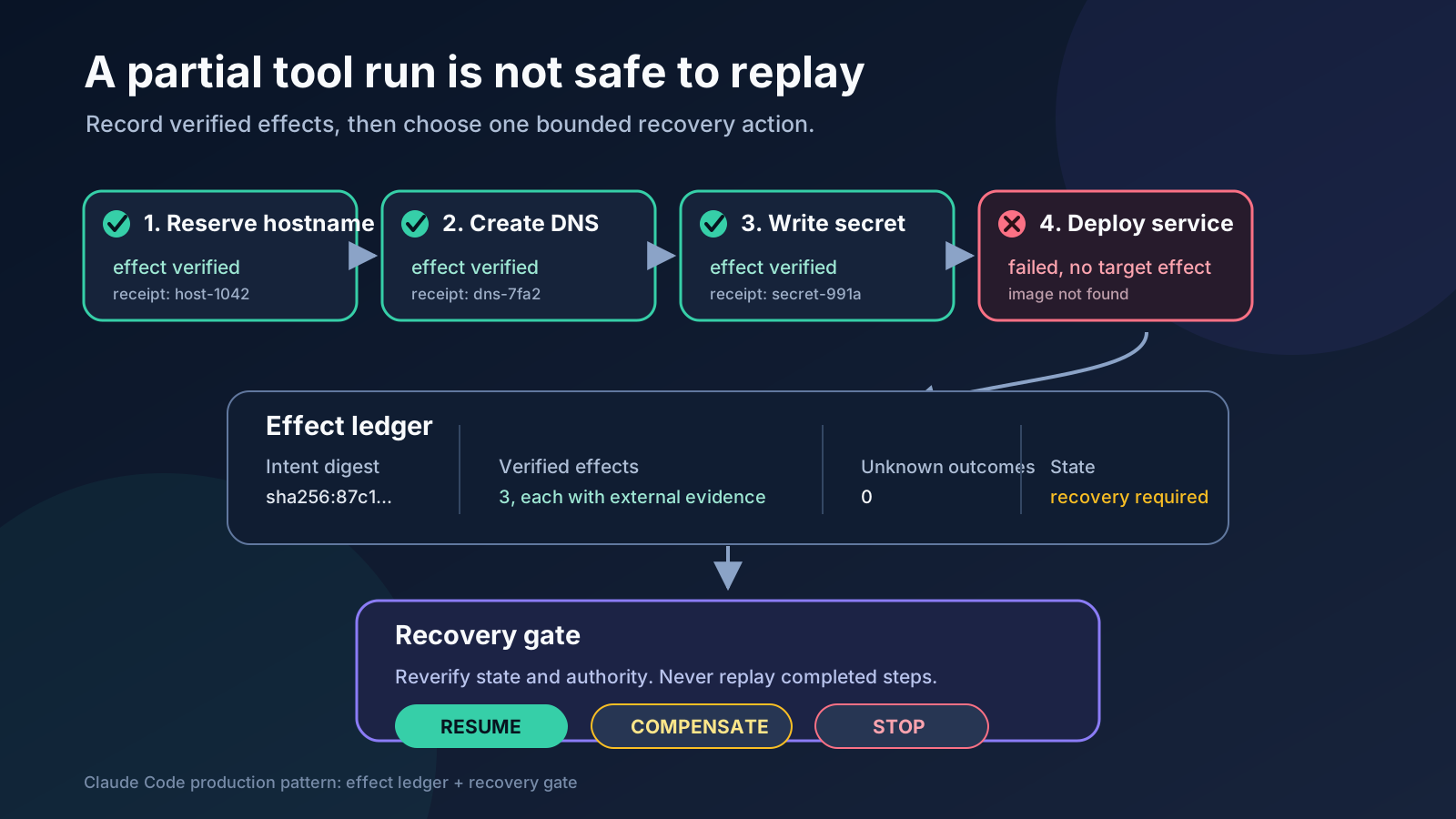
A multi-step Claude Code run can fail after several external writes have already succeeded. Use an effect ledger to resume, compensate, or stop without repeating completed work.
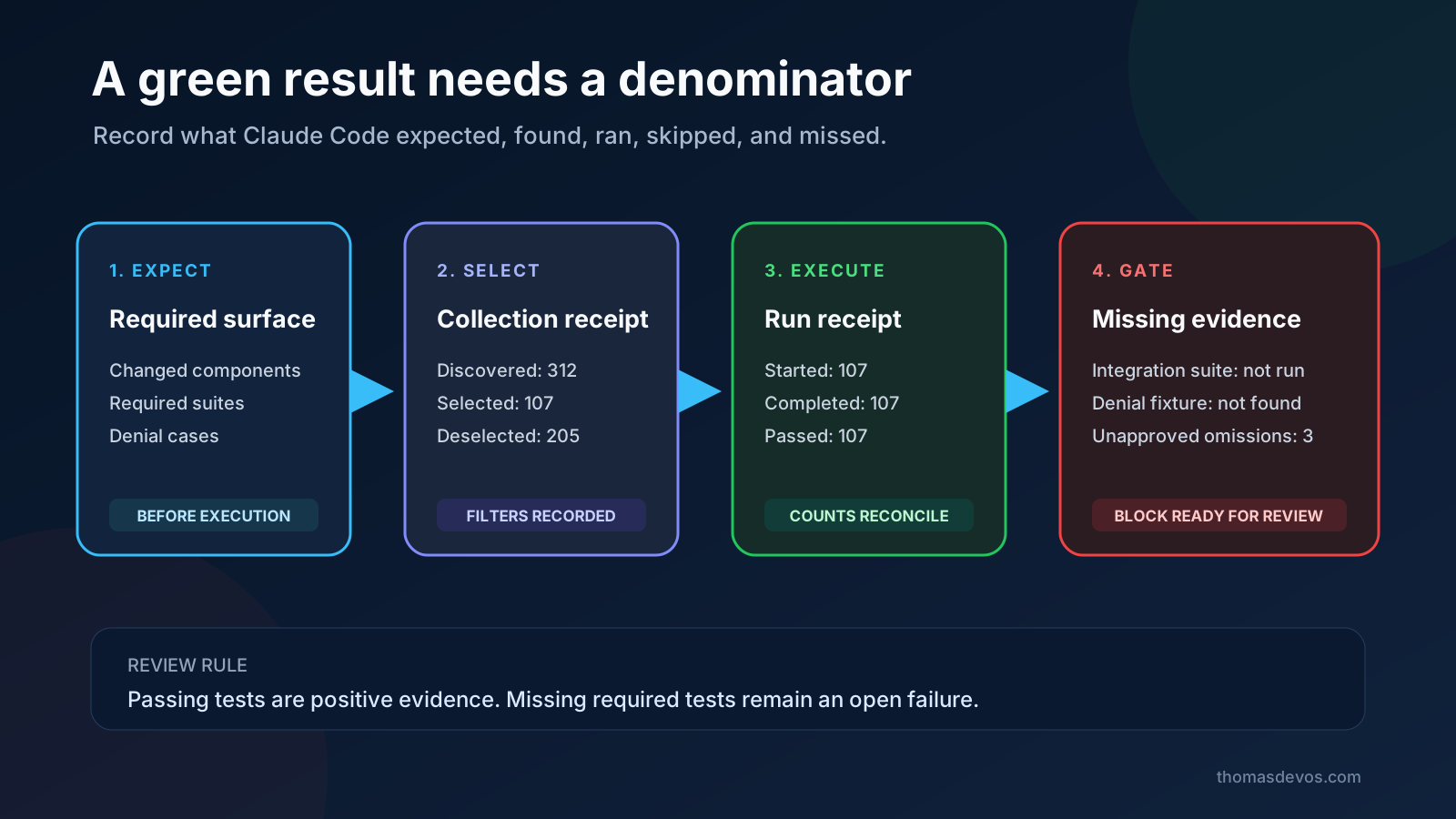
A green test result says little when the agent selected the wrong suite or skipped the risky path. Add a test denominator to every Claude Code review packet.
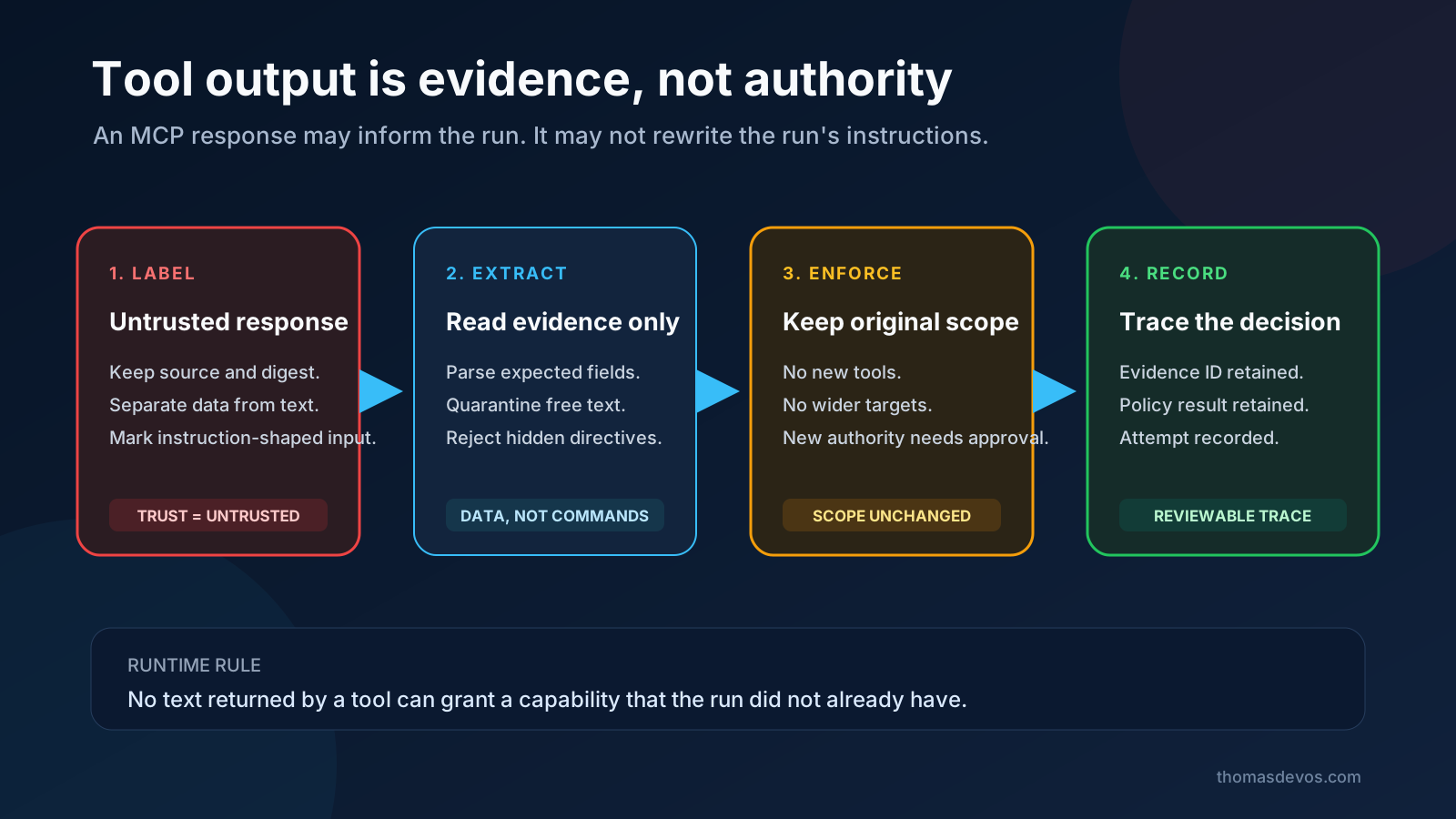
An MCP response can contain instruction-shaped text that pushes Claude Code beyond its approved task. Put a trust boundary between tool evidence and agent authority.
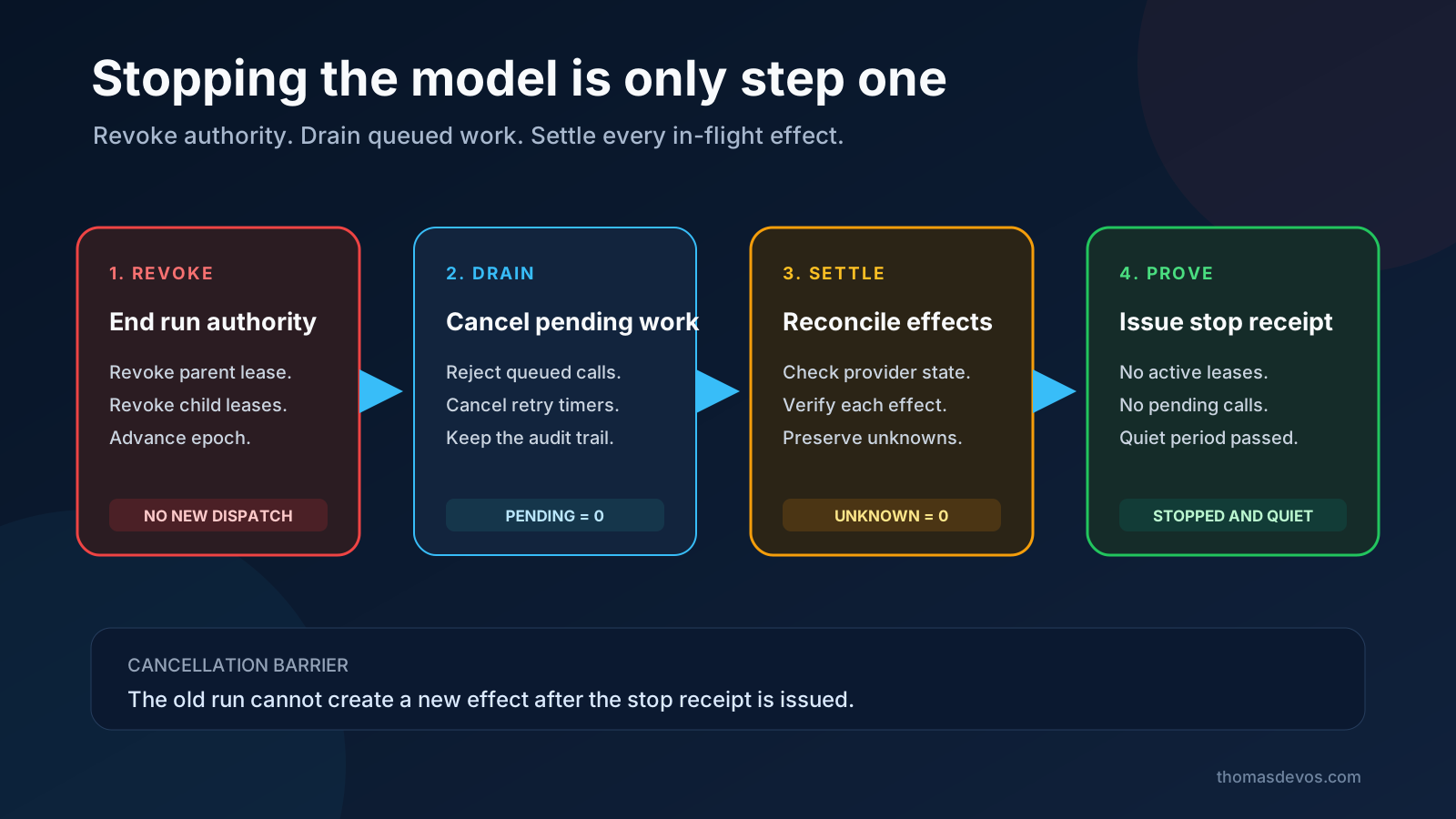
A stopped Claude Code run can leave queued MCP calls and provider jobs alive. Use a cancellation barrier to revoke authority, drain pending work, and prove the run is quiet.
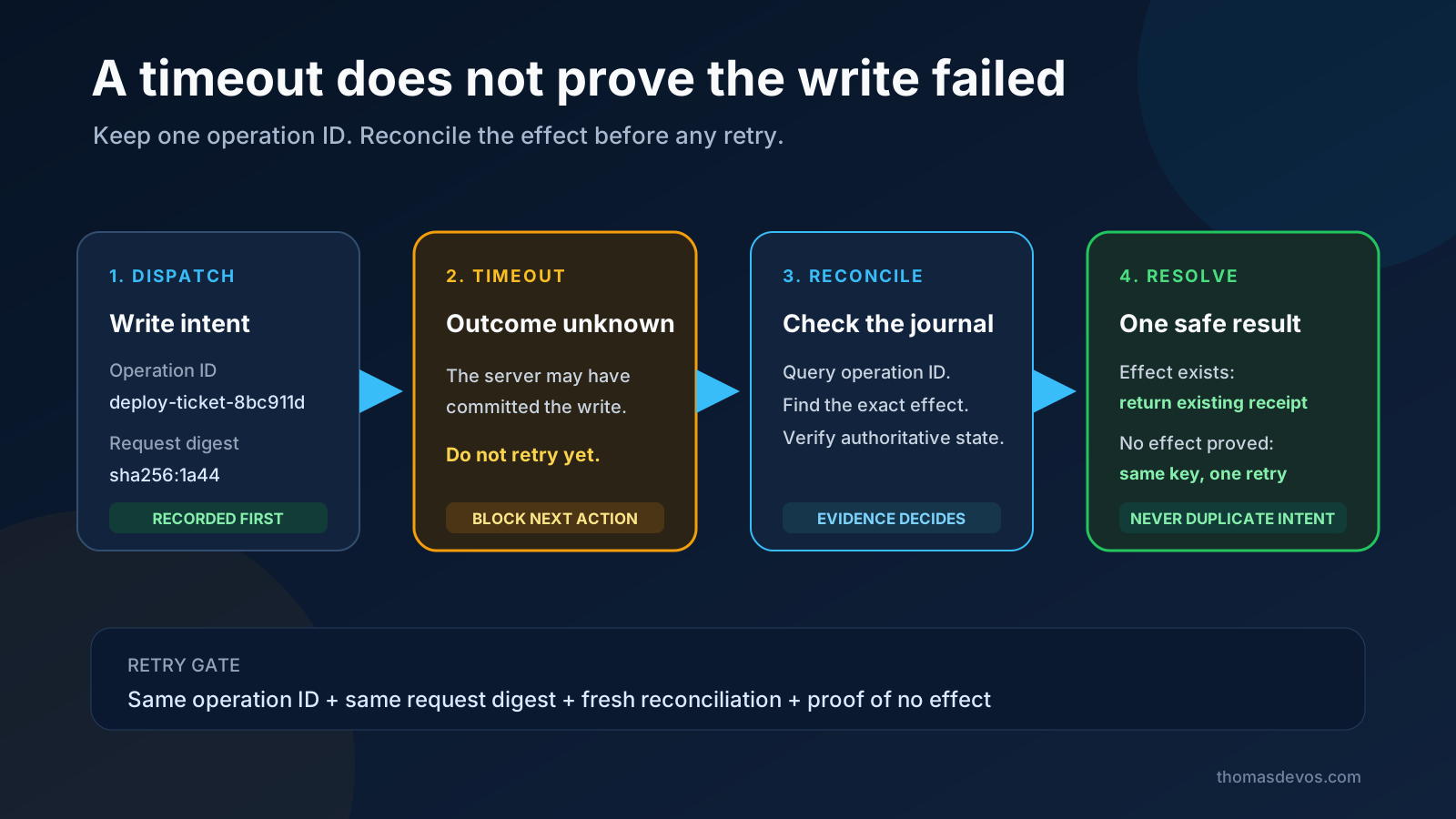
A timed-out MCP write may have failed, succeeded, or finished after the client gave up. Use an operation journal and effect lookup before Claude Code retries it.
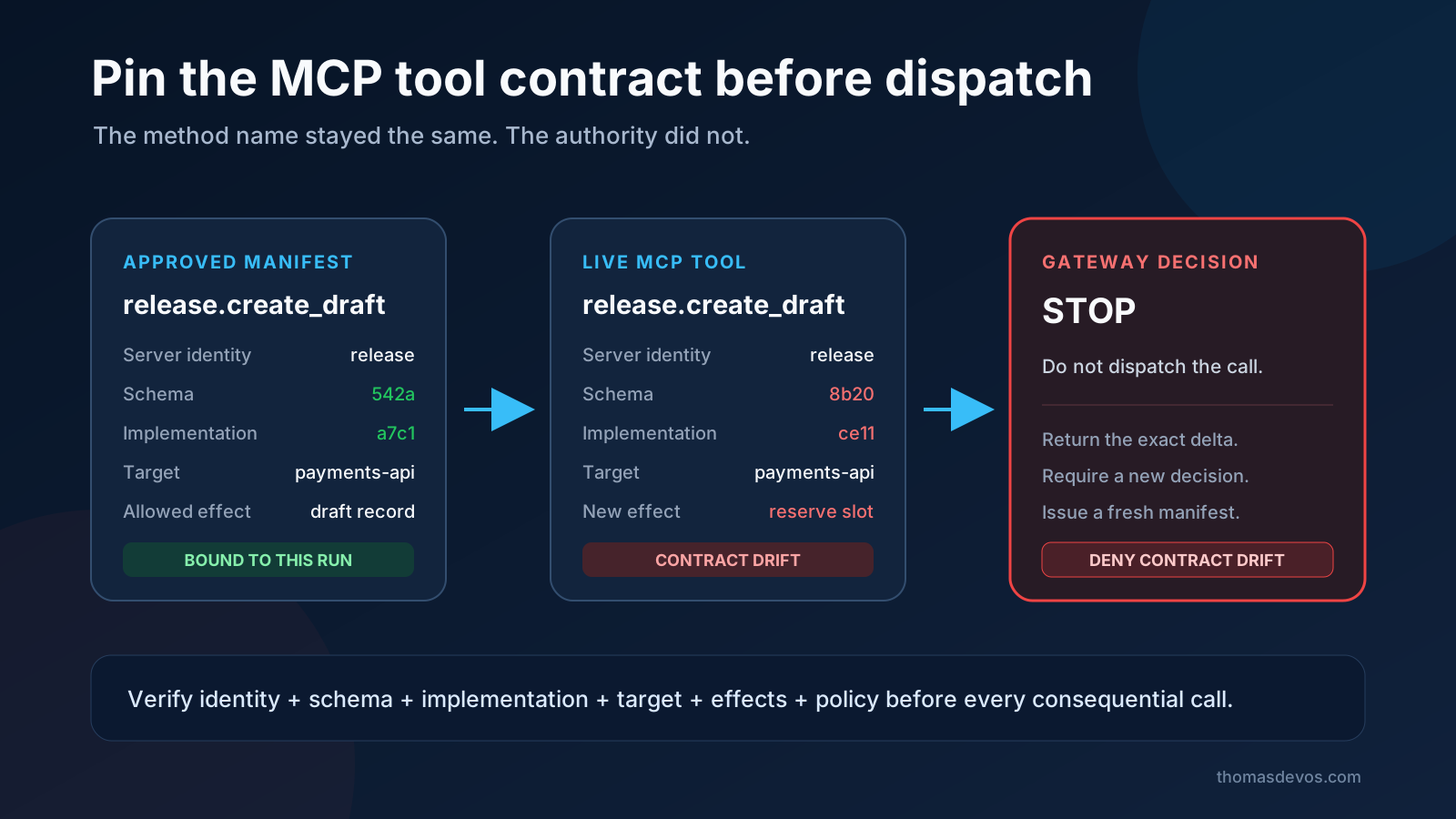
An MCP method can keep the same name while its schema, target scope, or side effects change. Pin a capability manifest so Claude Code cannot inherit a different tool after approval.
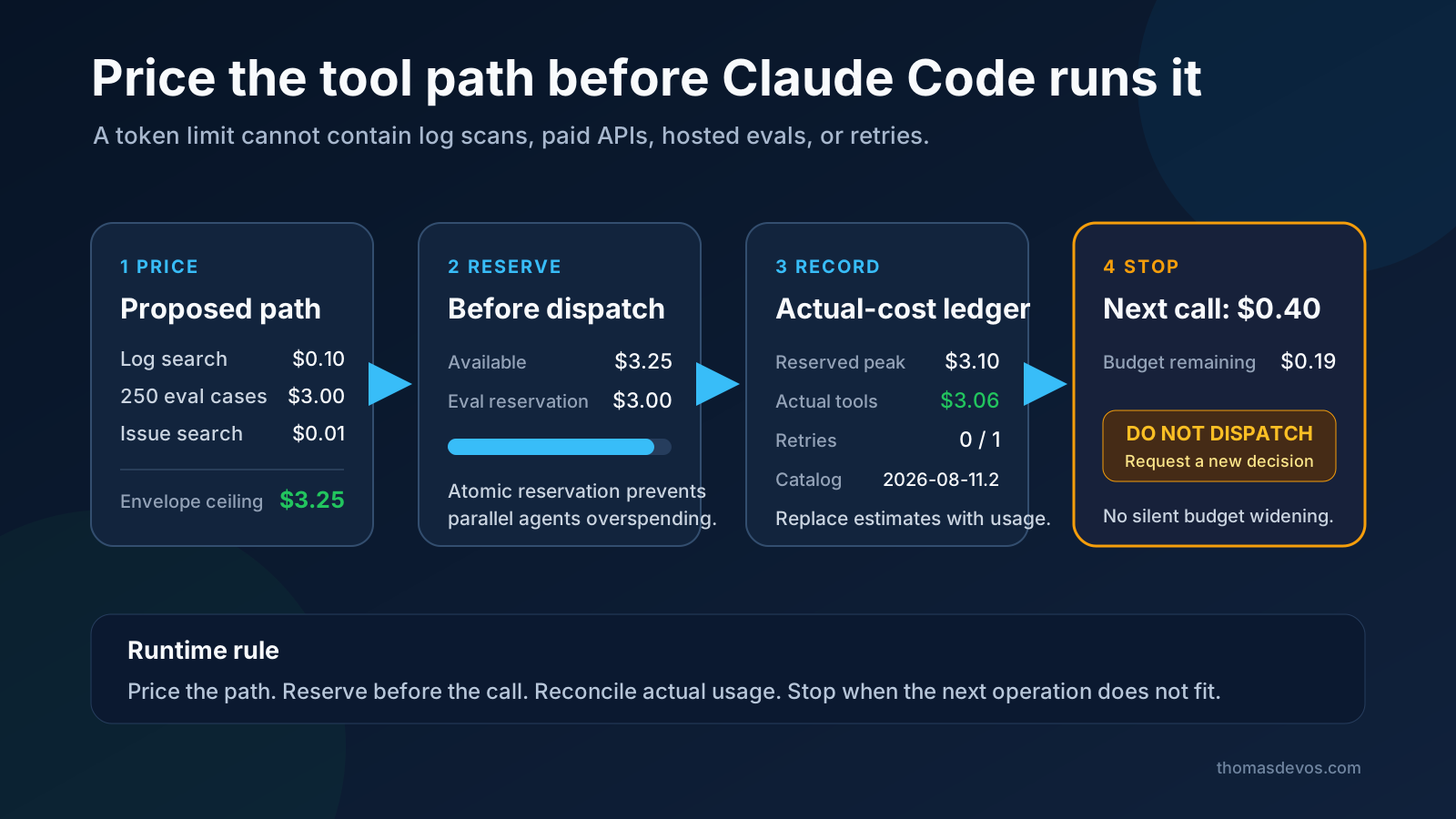
Token limits miss the expensive part of many Claude Code runs. A cost envelope prices search, MCP calls, evals, and retries before the agent can spend them.
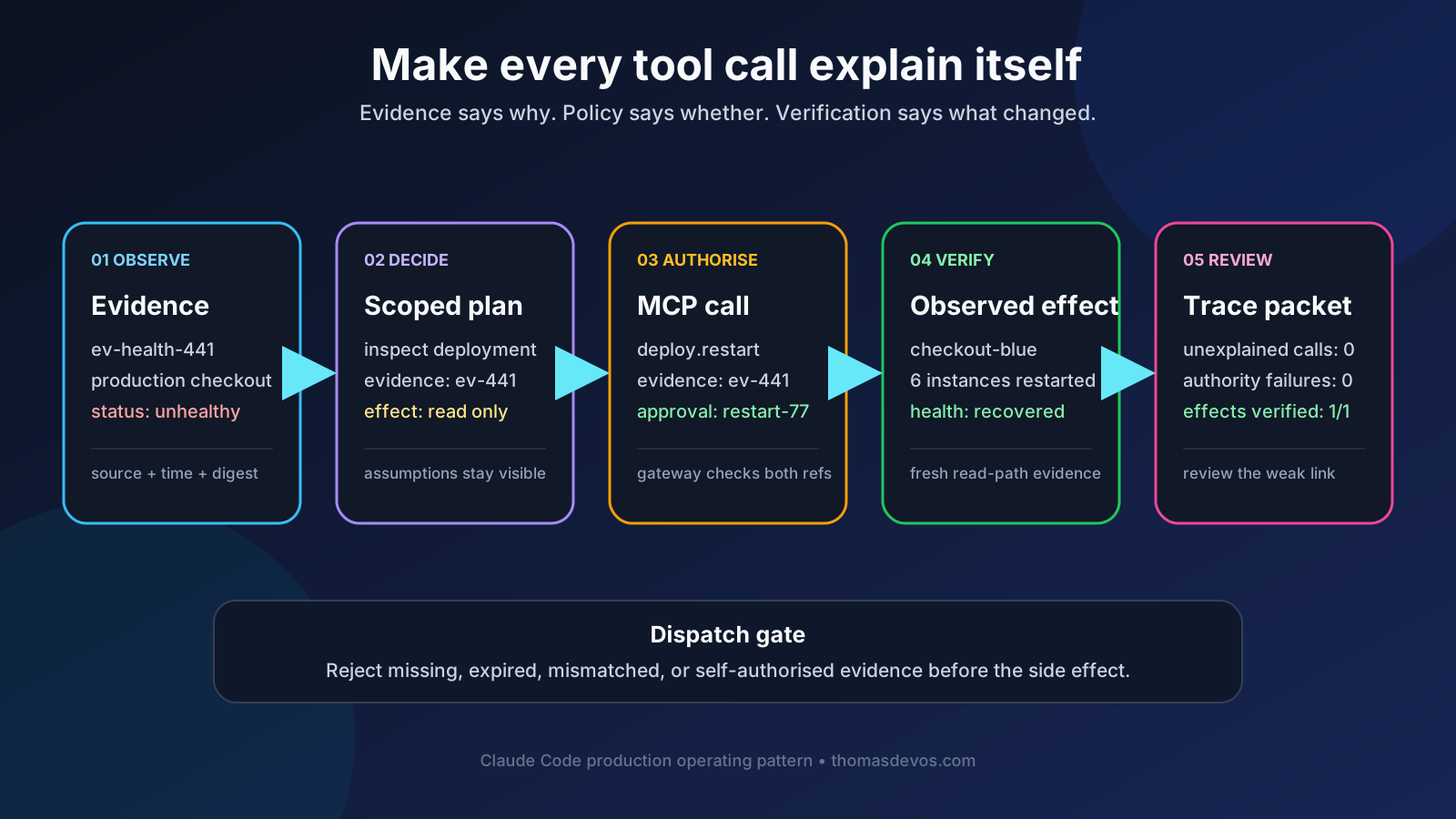
A tool-call log shows what Claude Code did. An evidence-linked trace shows which observation caused each action, which policy allowed it, and when the chain broke.