Treat AI agent output as untrusted input at every handoff
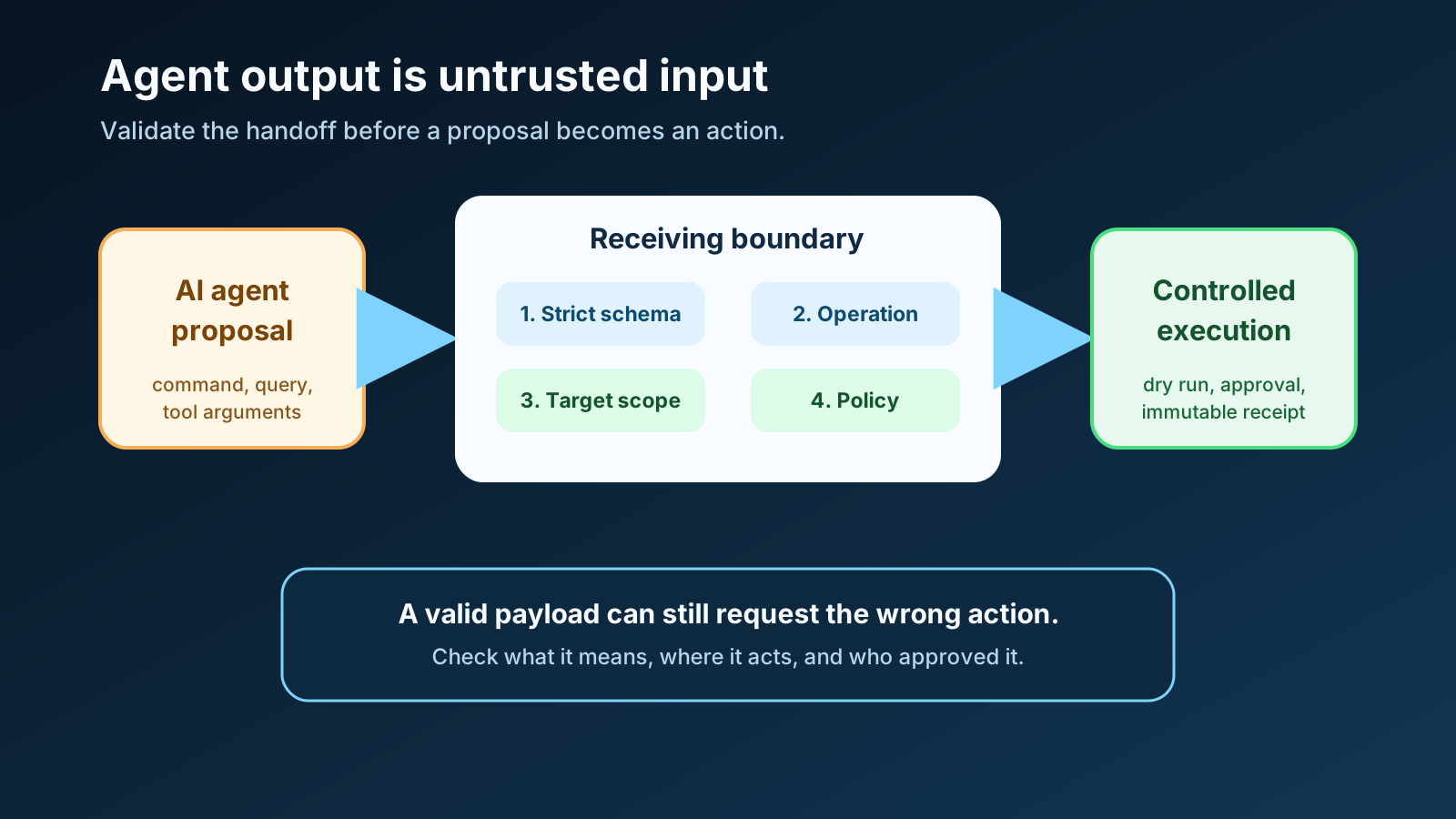
An approved AI agent can still produce a dangerous command, query, or tool argument. Validate generated output at the receiving boundary before another system acts on it.
Topic archive
34 essays tagged Agentsecops. Practical notes on what happens after the demo: prompts, tools, review packets, evals, rollback, and production ownership.
An approved AI agent can still produce a dangerous command, query, or tool argument. Validate generated output at the receiving boundary before another system acts on it.
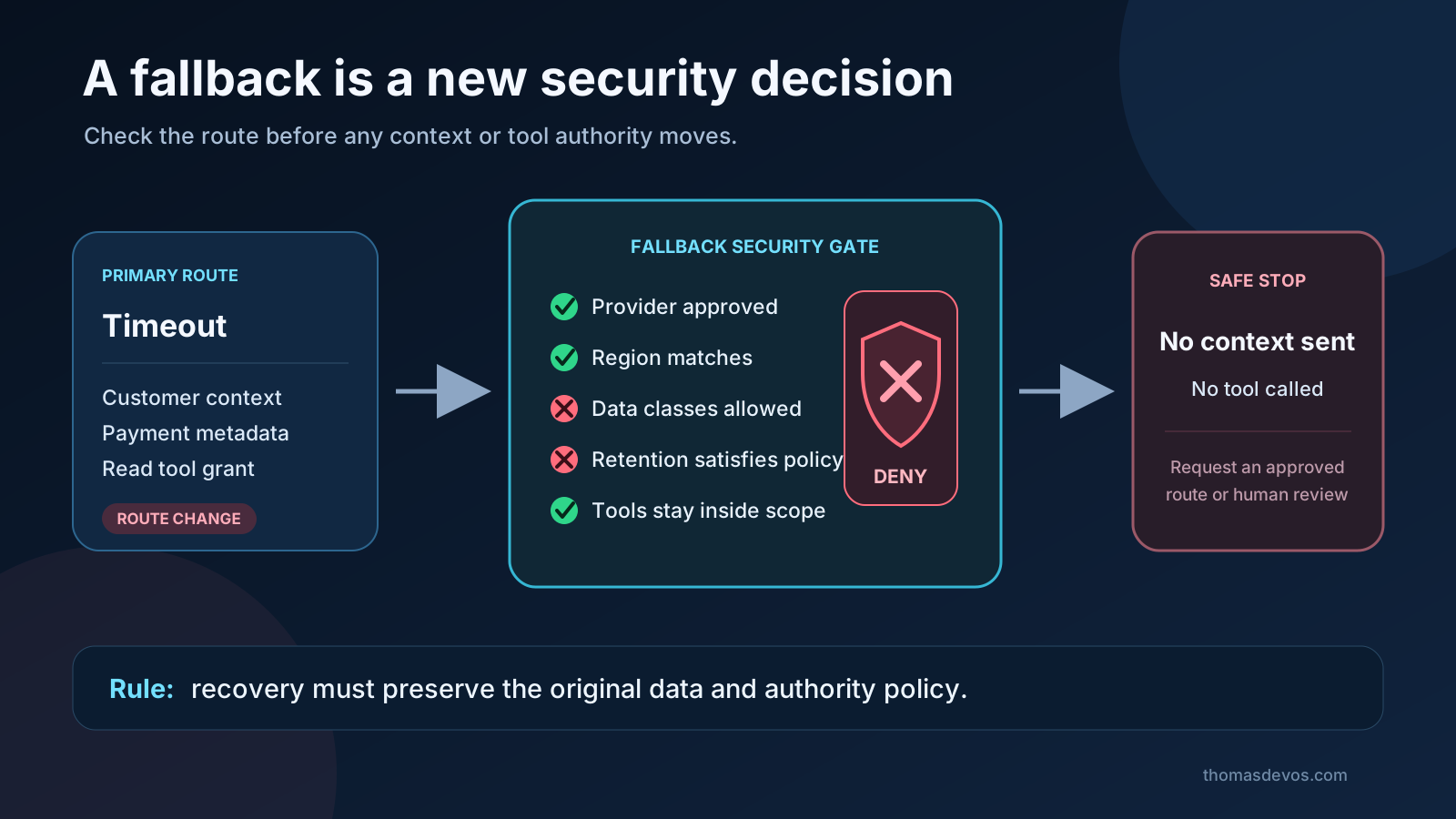
A model fallback can move prompts, retrieved data, and tool authority across a new provider or region. Treat each switch as a fresh policy decision, not a harmless retry.

A production Claude Code run should know when to stop. Stop conditions turn unclear scope, wider tool access, weak rollback, and missing evidence into human review moments before an agent crosses a security boundary.
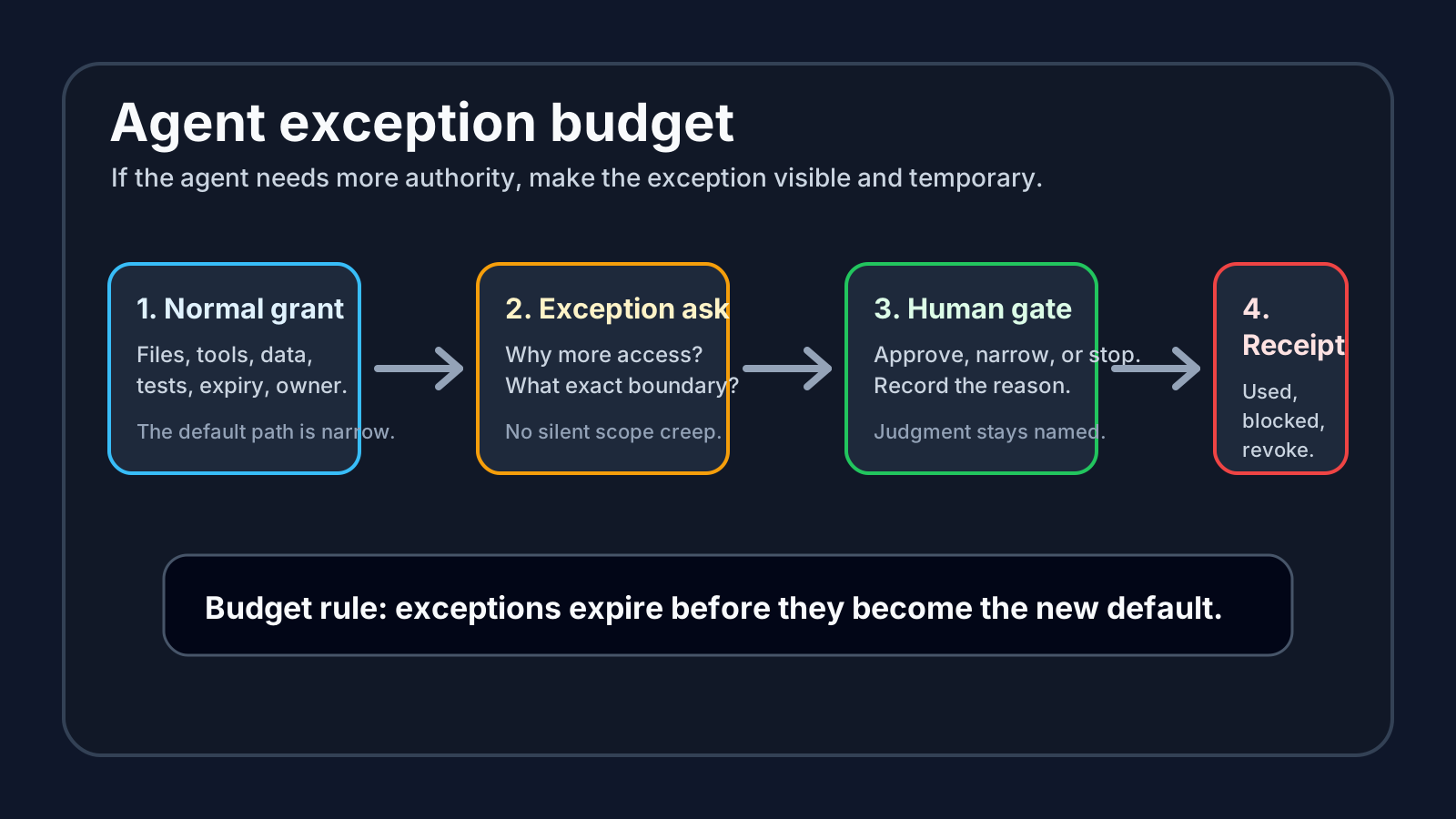
Claude Code and enterprise AI agents sometimes need more access than the normal task contract allows. Treat that extra authority as an exception budget, with a reason, owner, expiry, evidence, and revocation path.

The safer question for Claude Code and enterprise agents is not how much autonomy the model can handle. It is which privilege the work deserves, how long it lasts, and what evidence the human gets back.

AI agent teams often ask whether the demo worked. Buyers, auditors, and production owners ask a harder question: can we trust the run when authority, evidence, and rollback are visible?

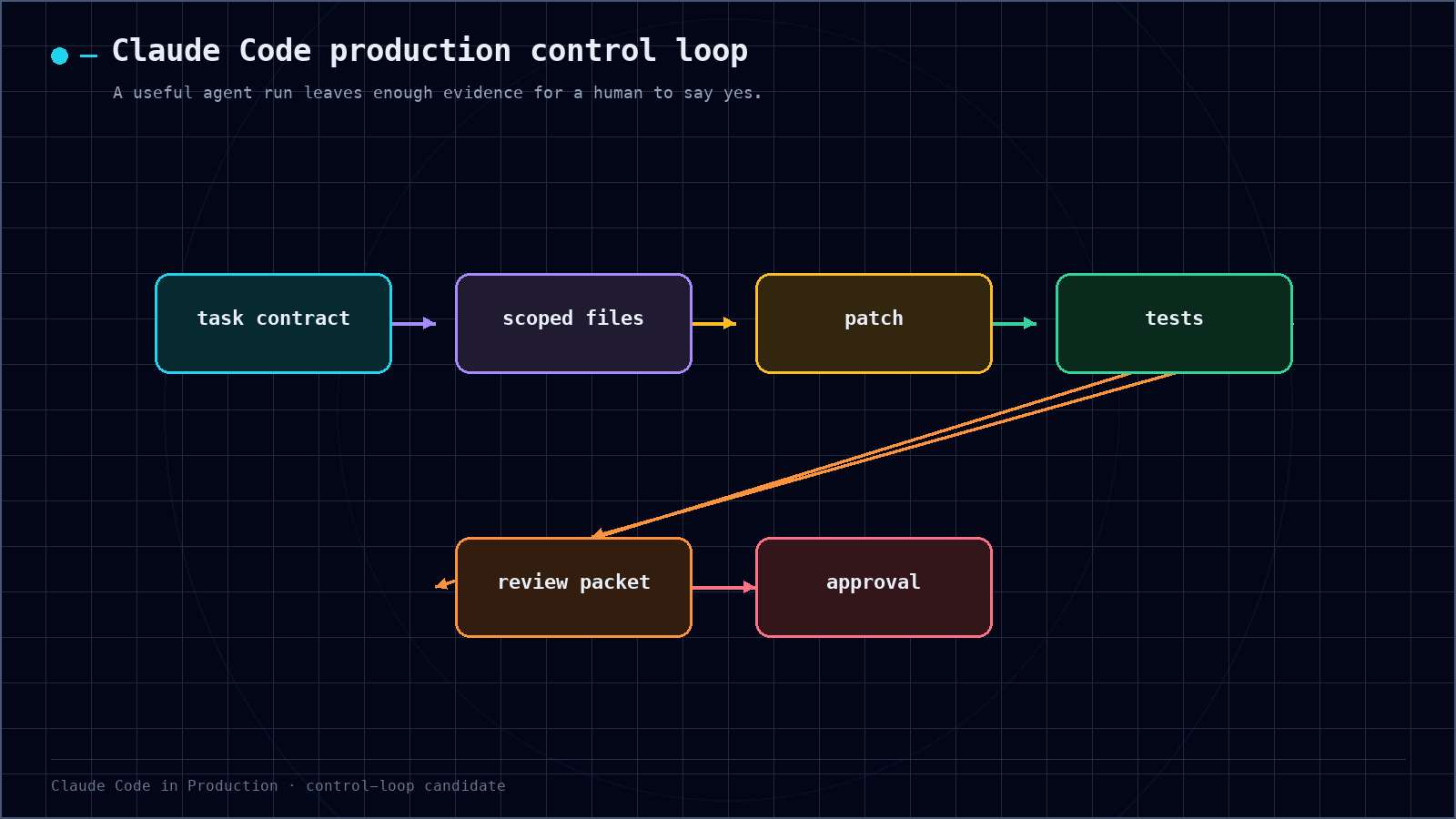
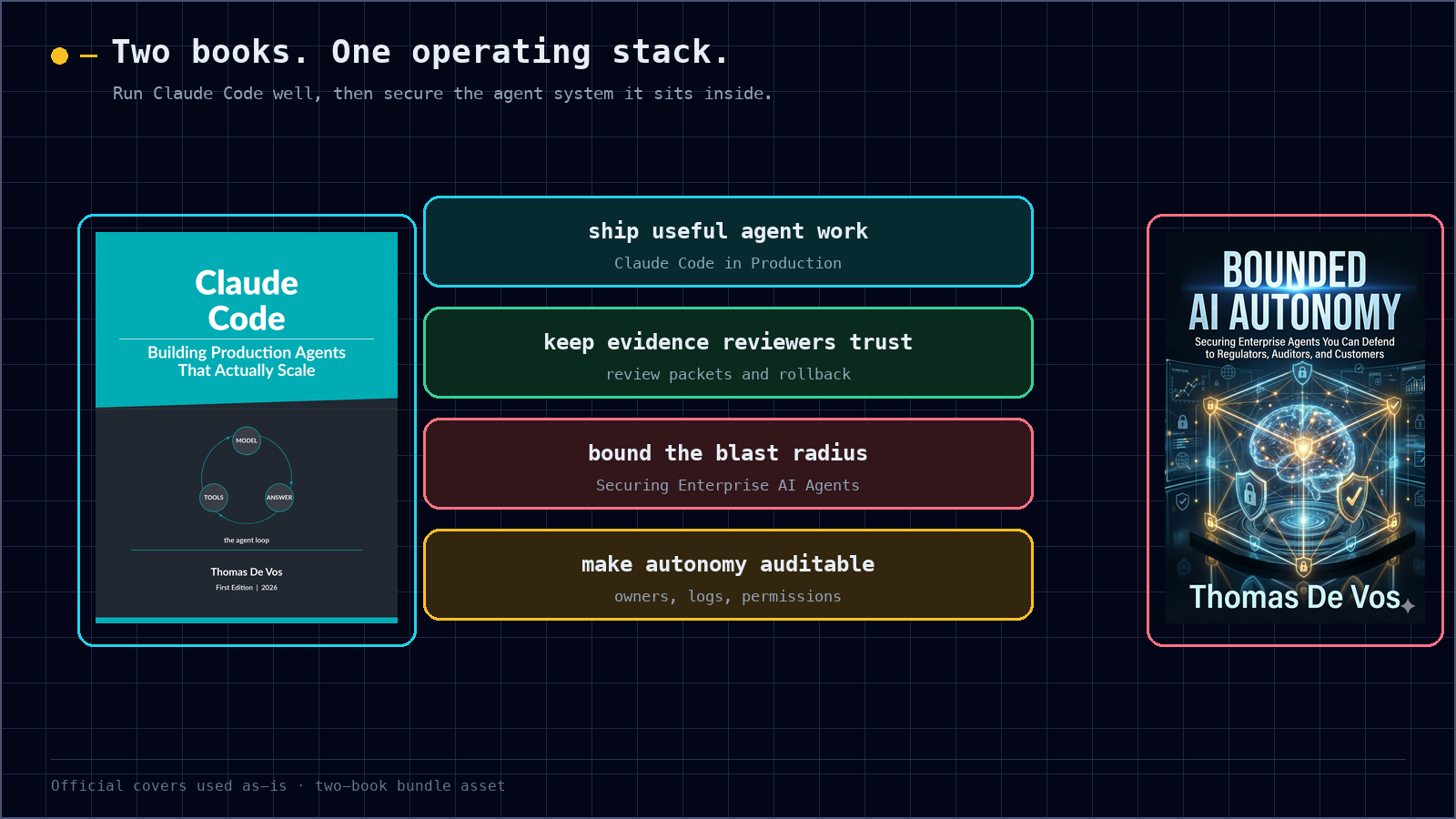
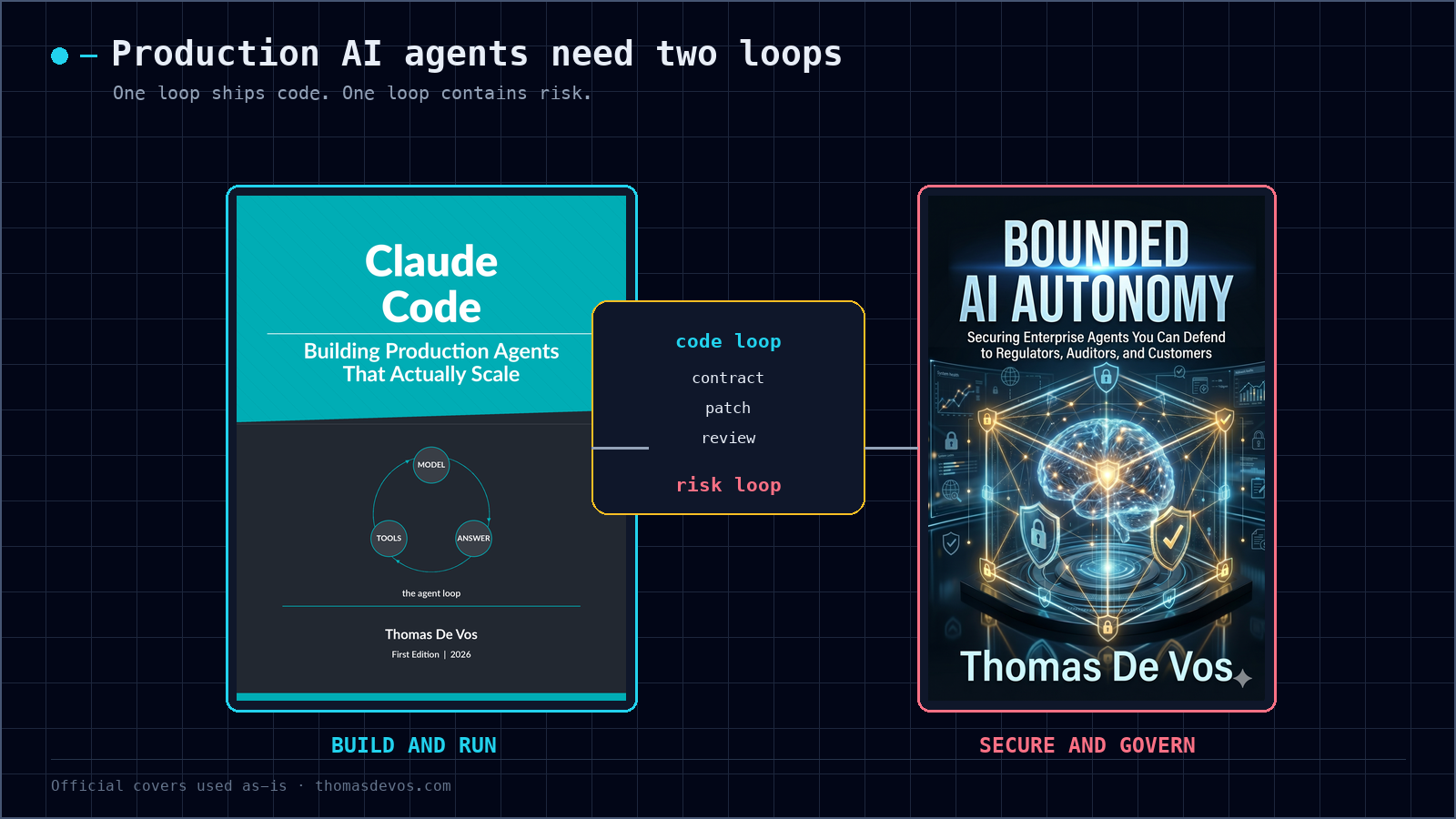
Claude Code review packets and enterprise agent security are often treated as separate problems. They are two parts of the same operating stack: evidence for the work, boundaries for the authority.
Teams keep asking whether an AI agent is ready for more autonomy. A better question is whether the review path is clear enough before the next permission is added.
A good prompt can shape agent behavior, but production teams need a control plane around identity, tool scope, approval, logs, revocation, and review.
Production AI agents need a fast way to stop action and a plain receipt after every meaningful run. Without both, autonomy becomes trust without evidence.