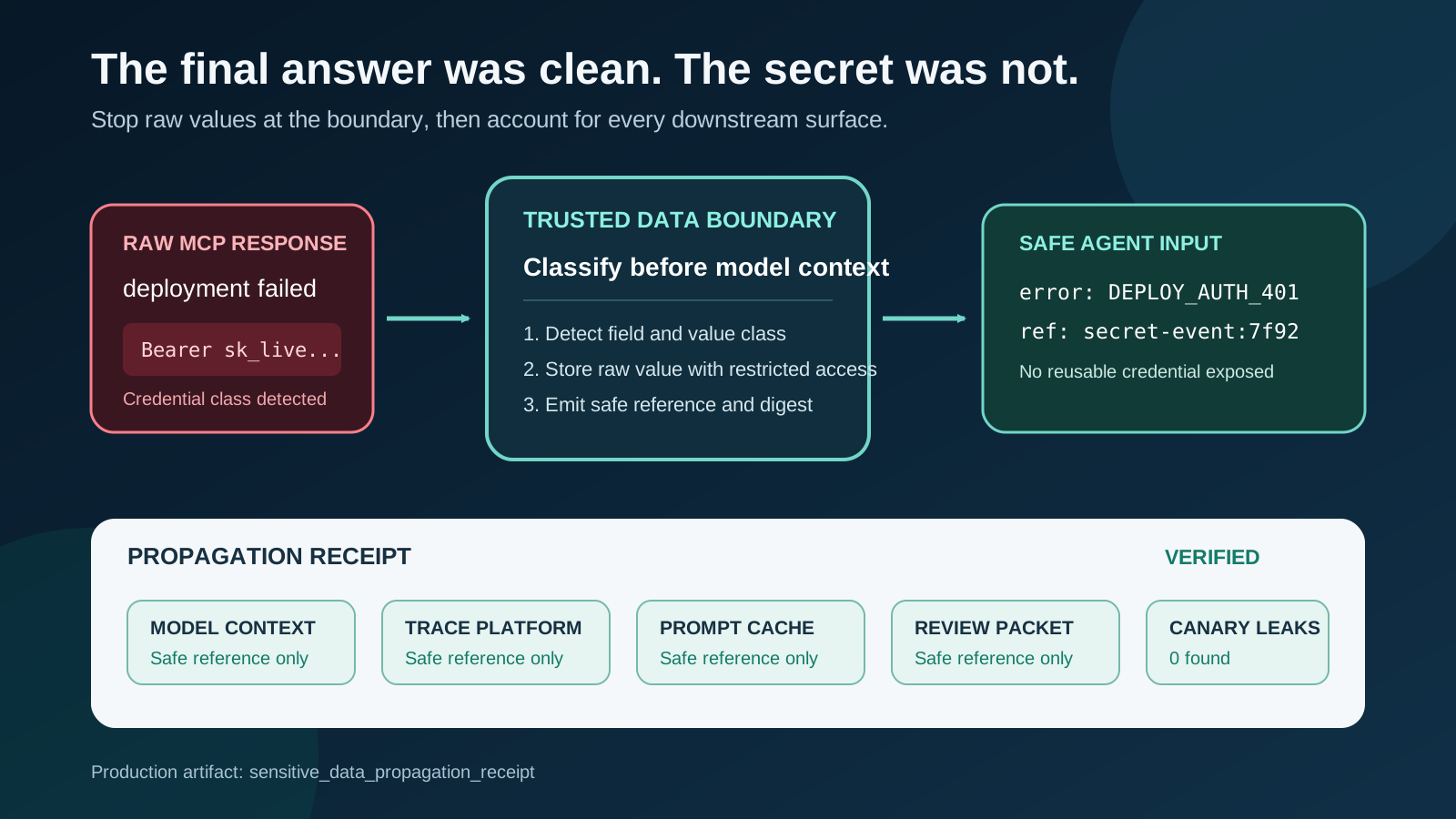
Claude Code redacted the secret after it had already spread
Redacting Claude Code’s final answer does not remove a secret from tool logs, traces, caches, and review packets. Track sensitive data through the whole run with a propagation receipt.
Topic archive
54 essays tagged Agentsecurity. Practical notes on what happens after the demo: prompts, tools, review packets, evals, rollback, and production ownership.
Redacting Claude Code’s final answer does not remove a secret from tool logs, traces, caches, and review packets. Track sensitive data through the whole run with a propagation receipt.
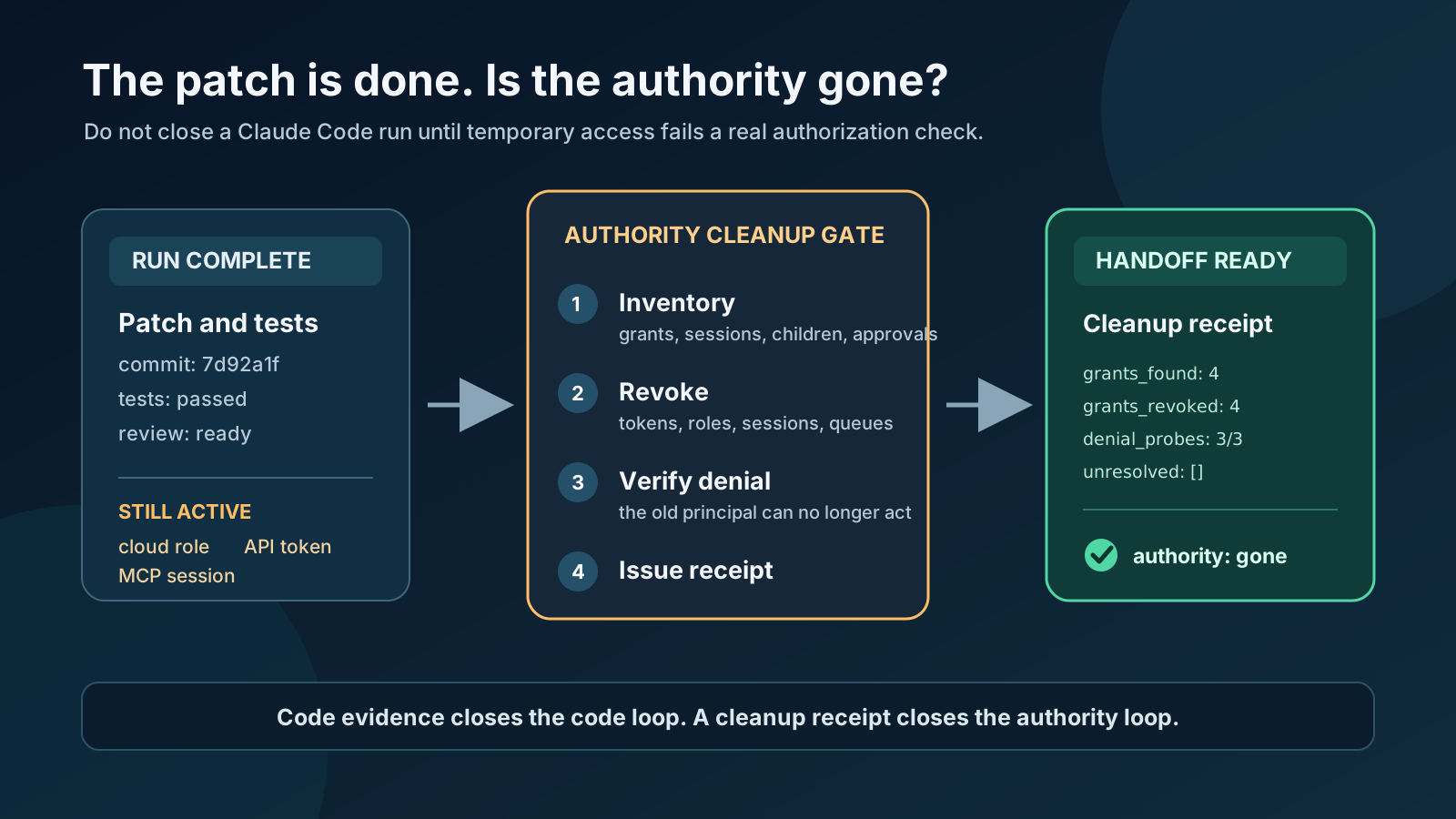
A completed Claude Code run can leave cloud roles, tokens, and MCP sessions behind. Require a cleanup receipt that proves temporary authority has gone.
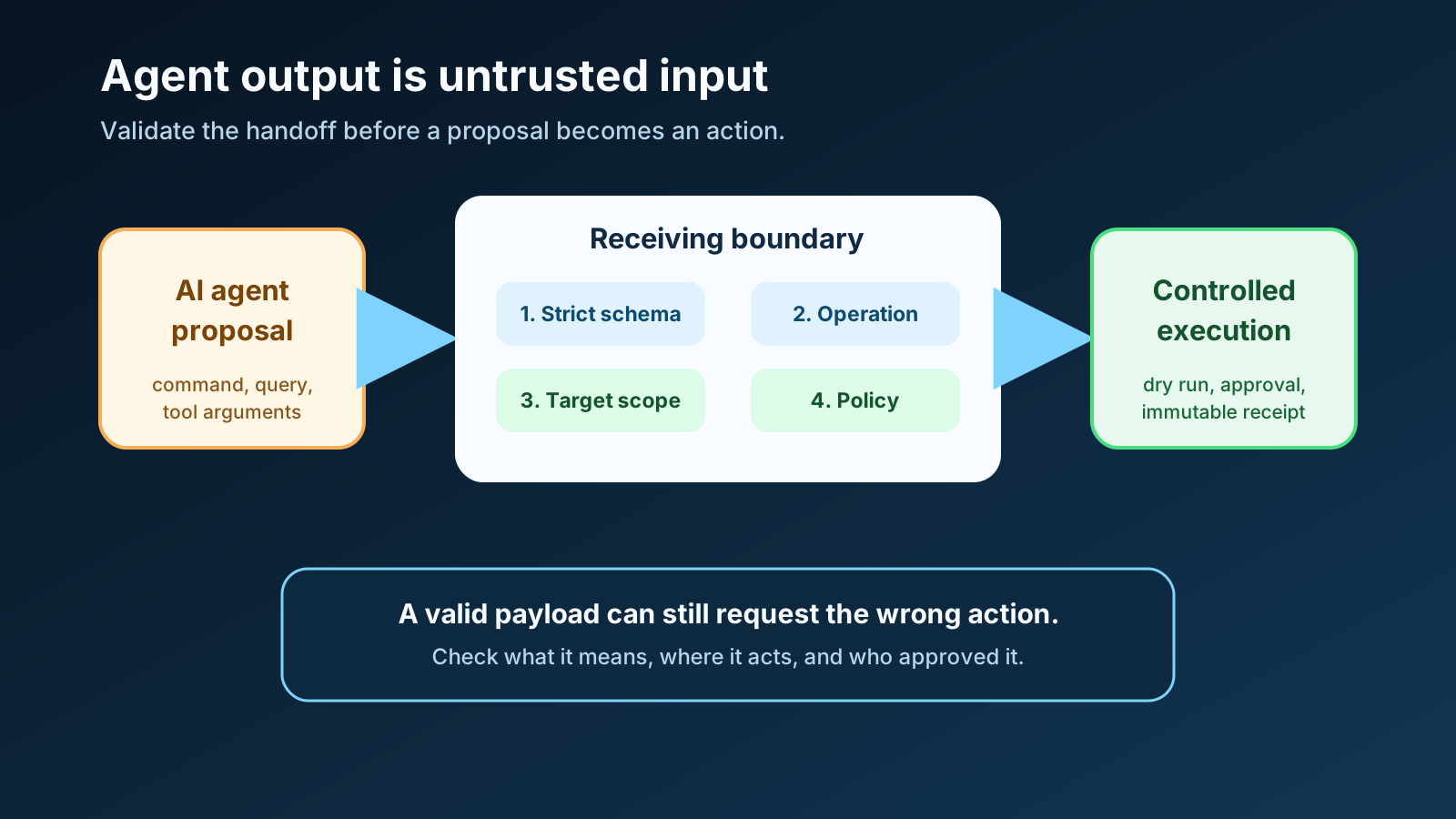
An approved AI agent can still produce a dangerous command, query, or tool argument. Validate generated output at the receiving boundary before another system acts on it.
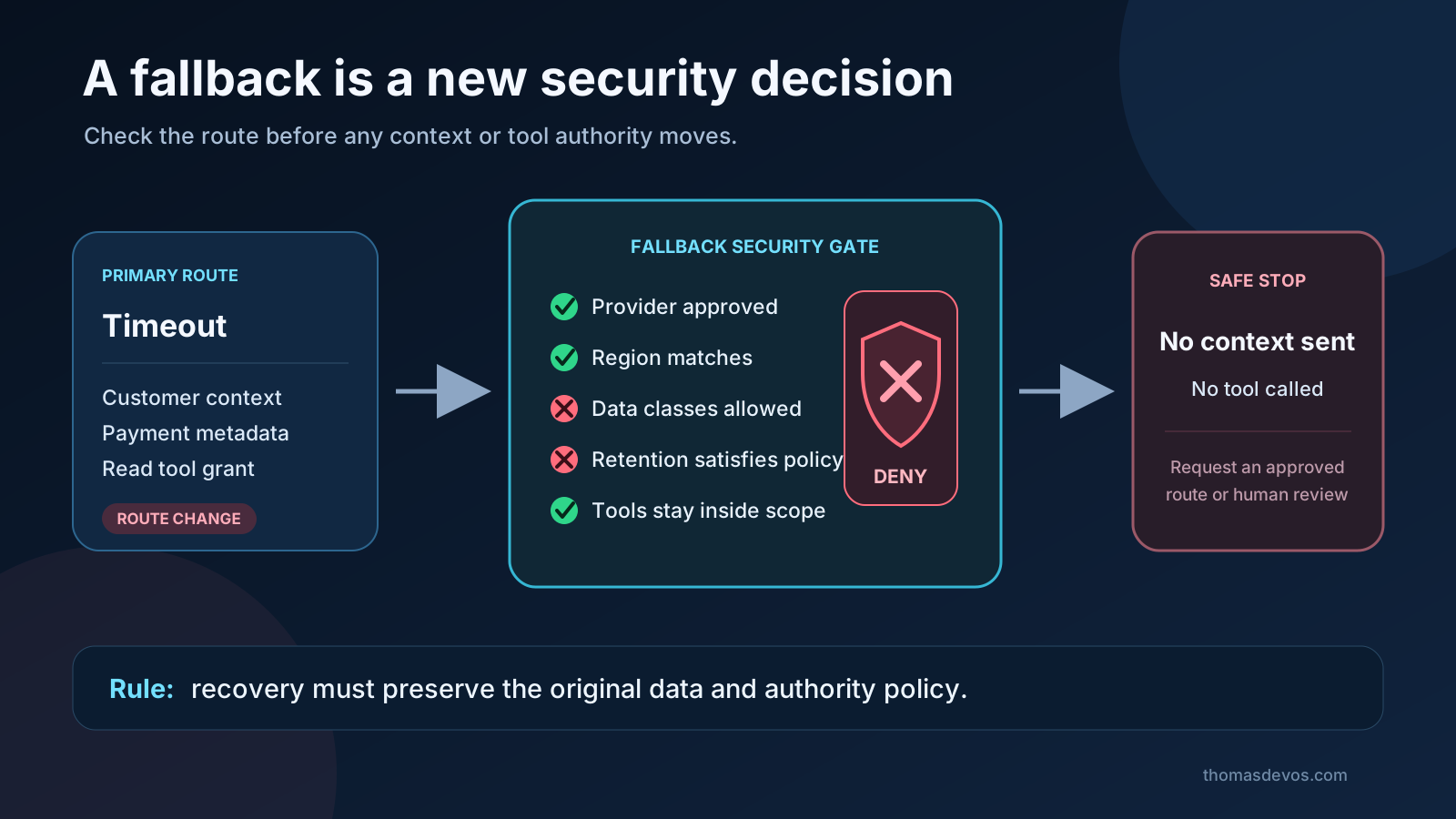
A model fallback can move prompts, retrieved data, and tool authority across a new provider or region. Treat each switch as a fresh policy decision, not a harmless retry.
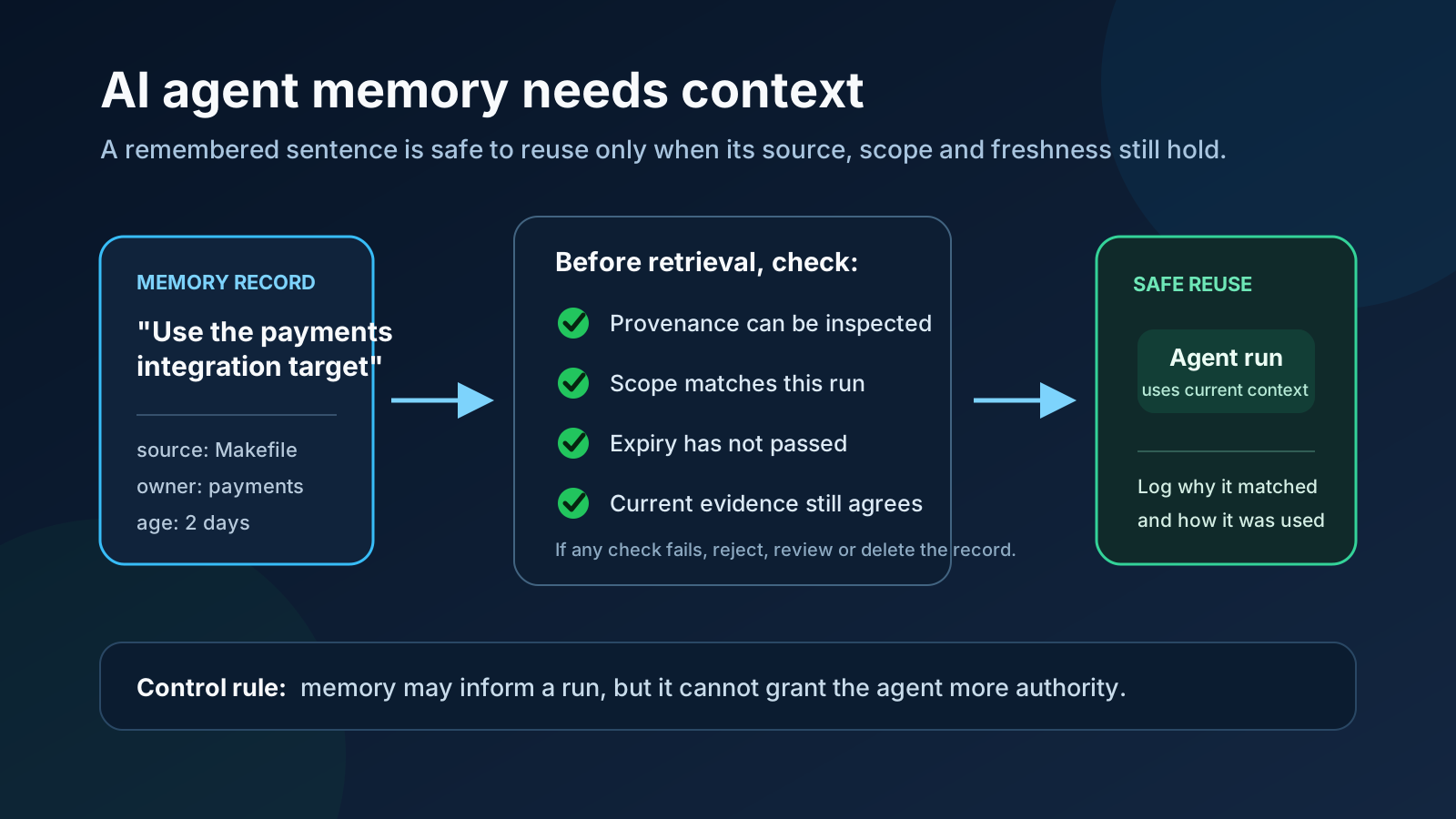
Persistent memory can make an AI agent faster, but stale facts, copied instructions, and missing ownership can quietly steer later runs. Store provenance, scope, review dates, and deletion rules with every memory.
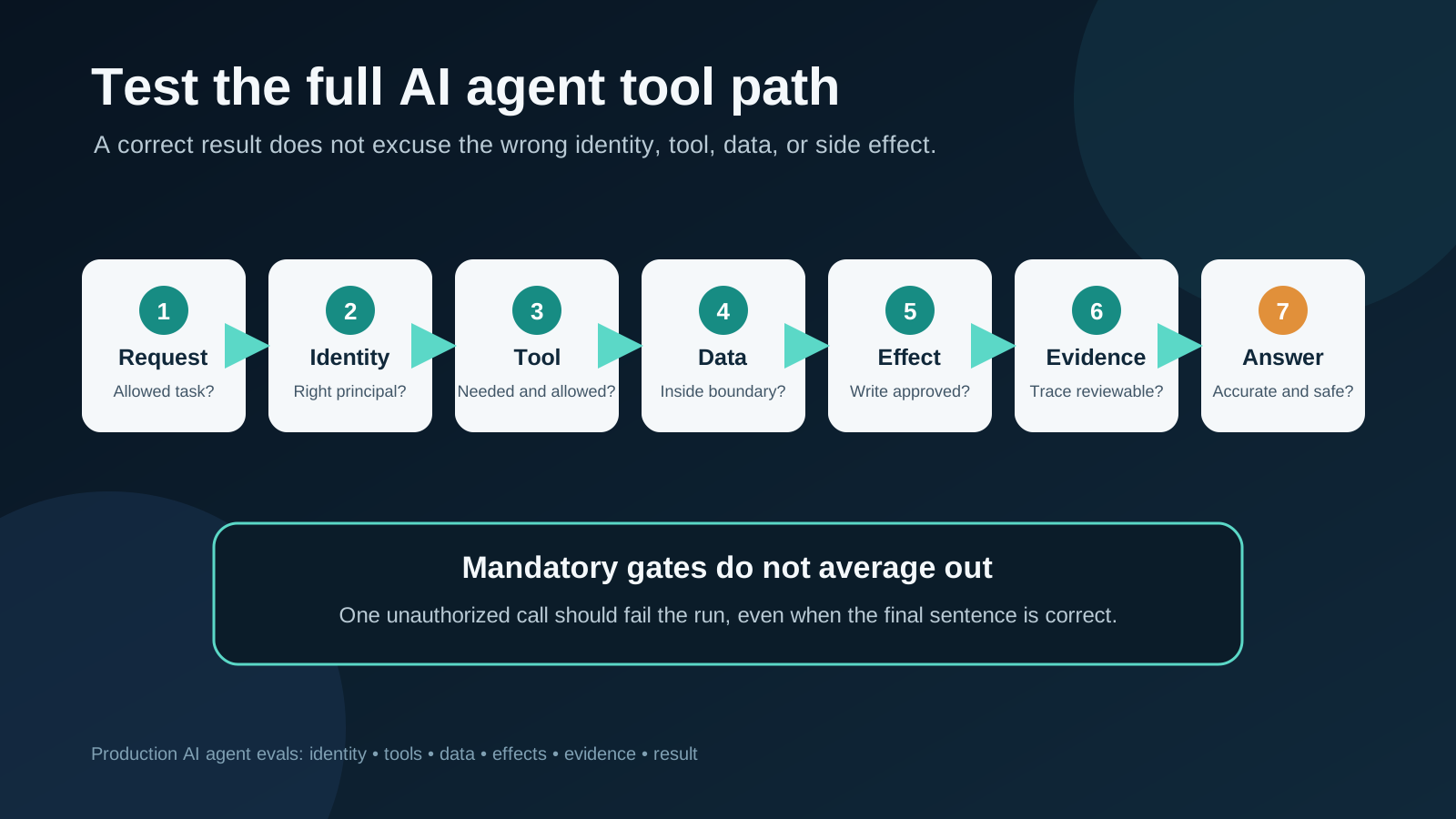
An AI agent can return the right answer after using the wrong identity, reading the wrong data, or calling a tool it never needed. Production evals should inspect the path as well as the result.
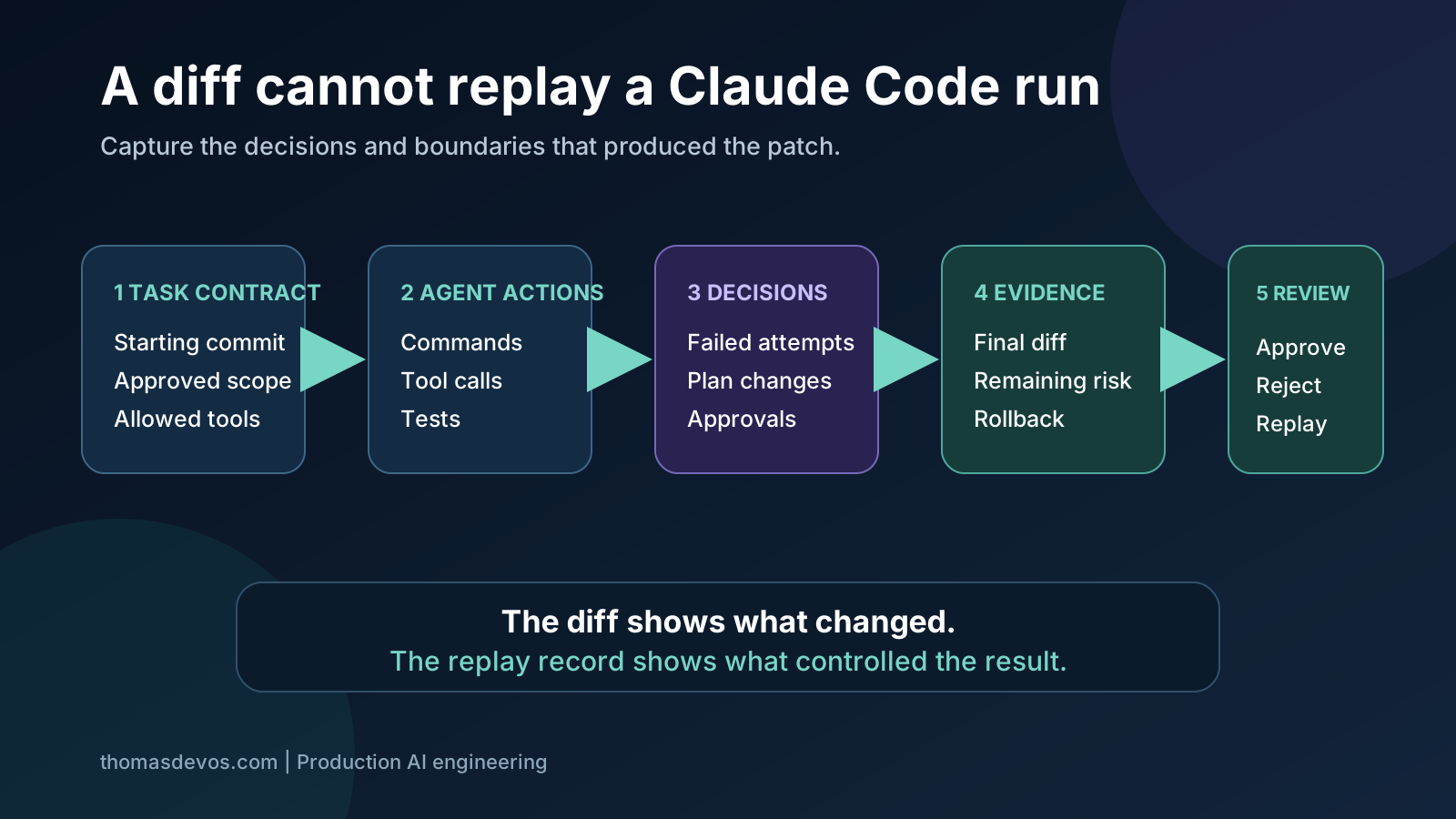
A Claude Code diff shows the final change, but it leaves out the starting state, failed commands, MCP results, skipped tests, and plan changes. Capture a compact replay record before the run disappears.
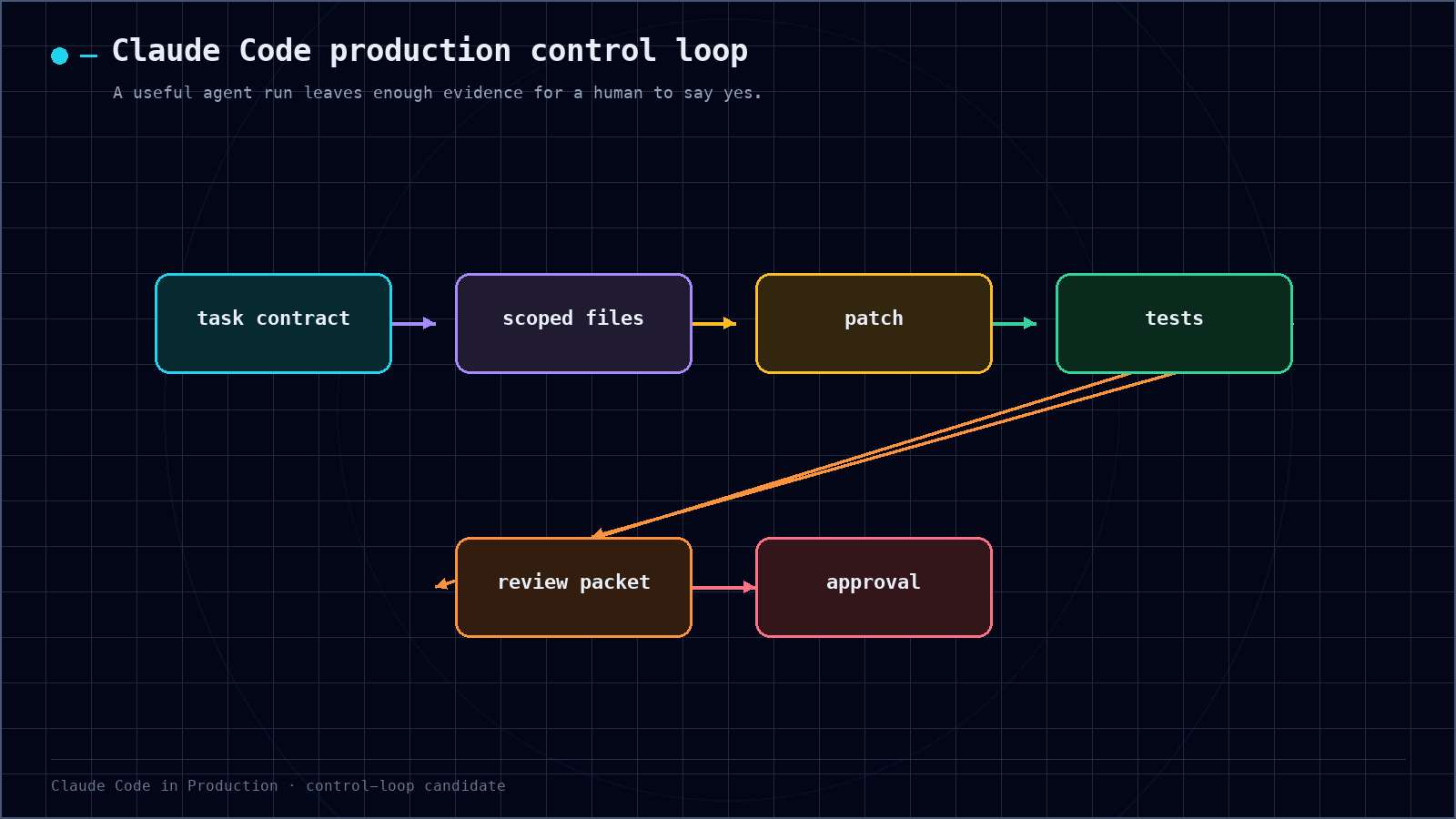
A production Claude Code run should know when to stop. Stop conditions turn unclear scope, wider tool access, weak rollback, and missing evidence into human review moments before an agent crosses a security boundary.
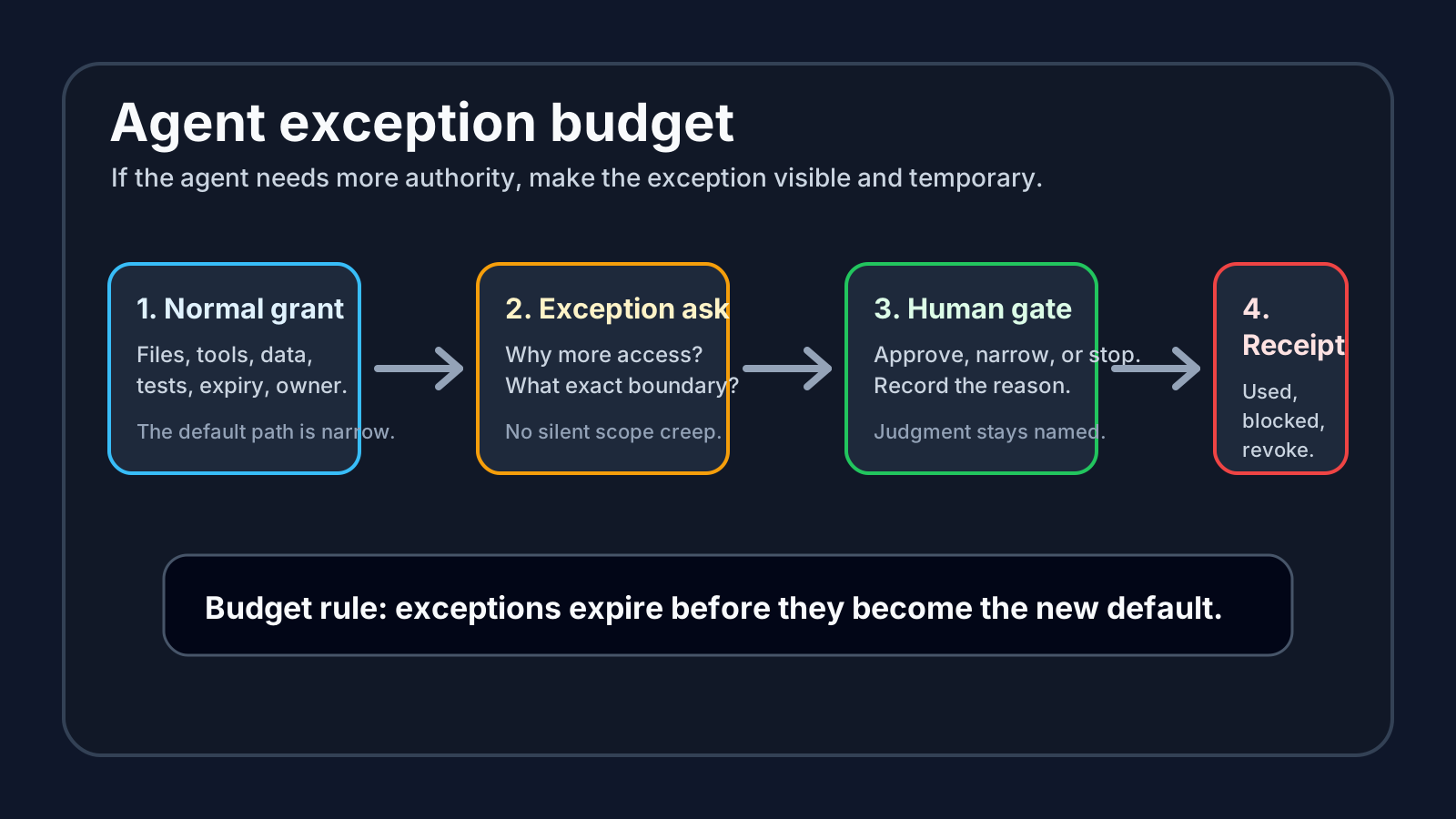
Claude Code and enterprise AI agents sometimes need more access than the normal task contract allows. Treat that extra authority as an exception budget, with a reason, owner, expiry, evidence, and revocation path.
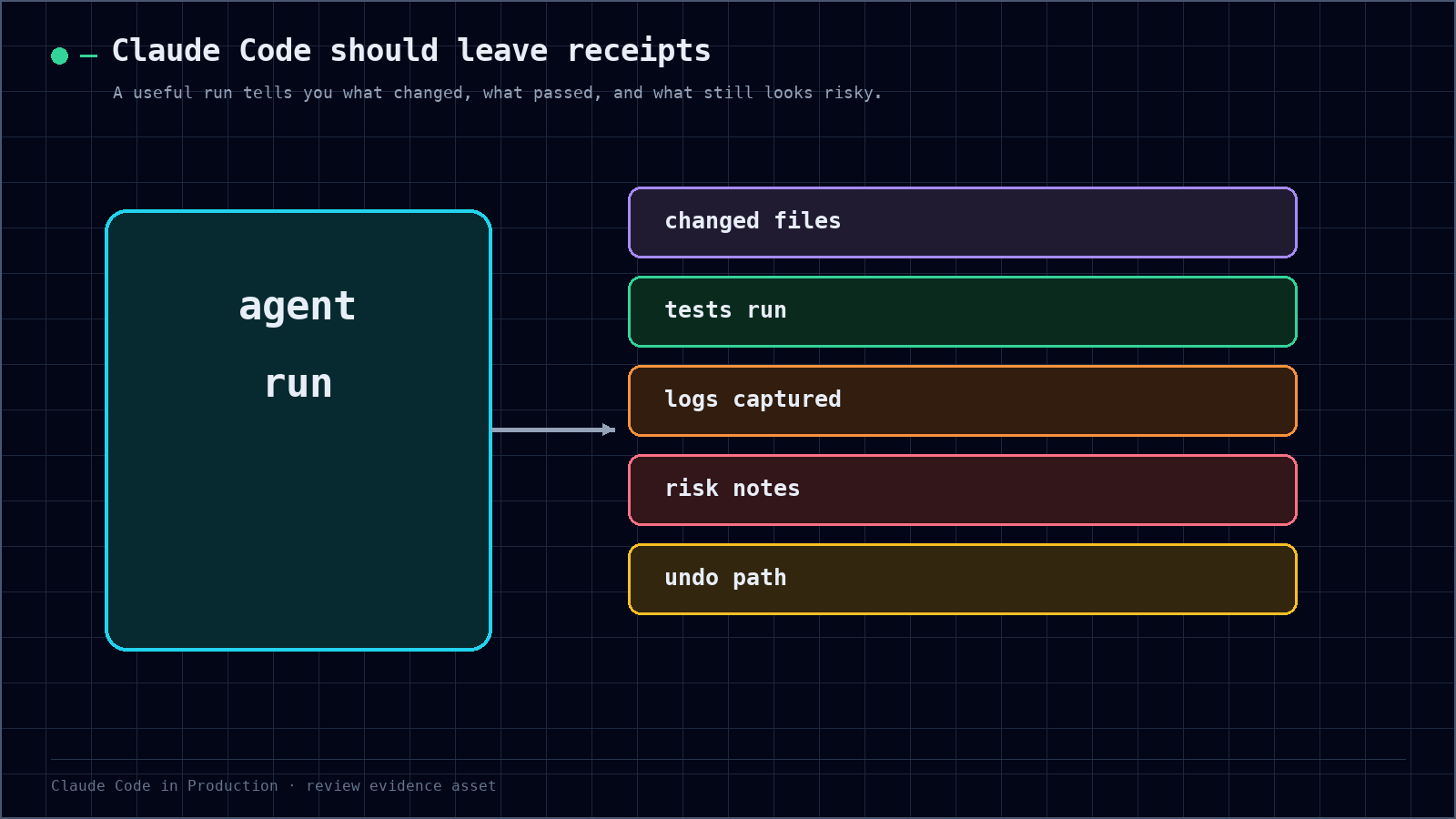
Claude Code permissions matter before the run, but teams also need permission receipts after the run: what the agent used, what was blocked, what still needs approval, and how to undo it.