The model release is not your AI strategy
New models matter. They change what is possible. But a serious AI strategy cannot be rebuilt around every launch. The hard work is deciding what should change in your products, teams, controls, and habits.
Topic archive
6 essays tagged AI engineering. Practical notes on what happens after the demo: prompts, tools, review packets, evals, rollback, and production ownership.
New models matter. They change what is possible. But a serious AI strategy cannot be rebuilt around every launch. The hard work is deciding what should change in your products, teams, controls, and habits.
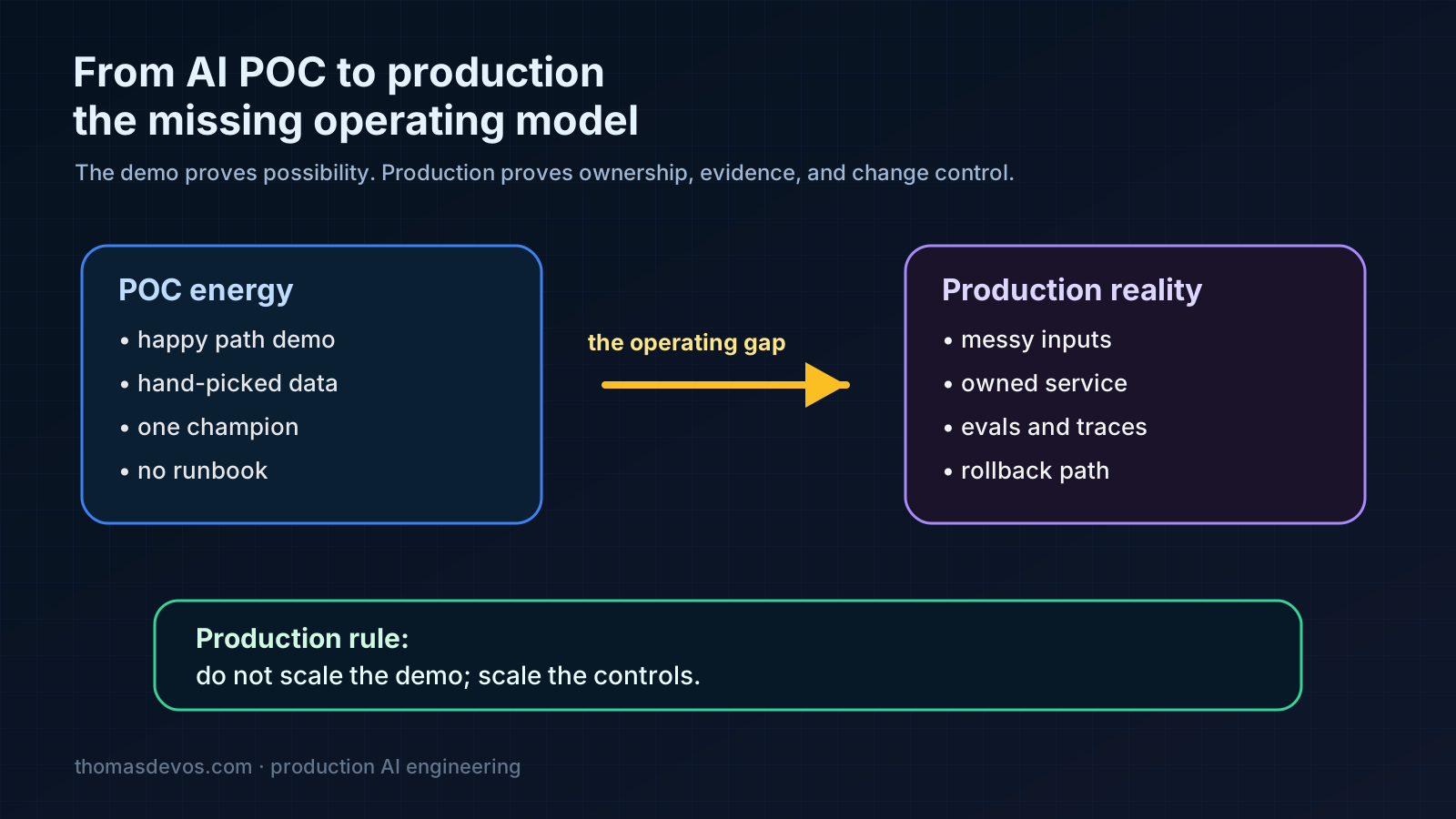
The AI POC is not the hard part anymore. The hard part is turning a promising demo into a service with ownership, evals, traces, cost controls, and a rollback path.
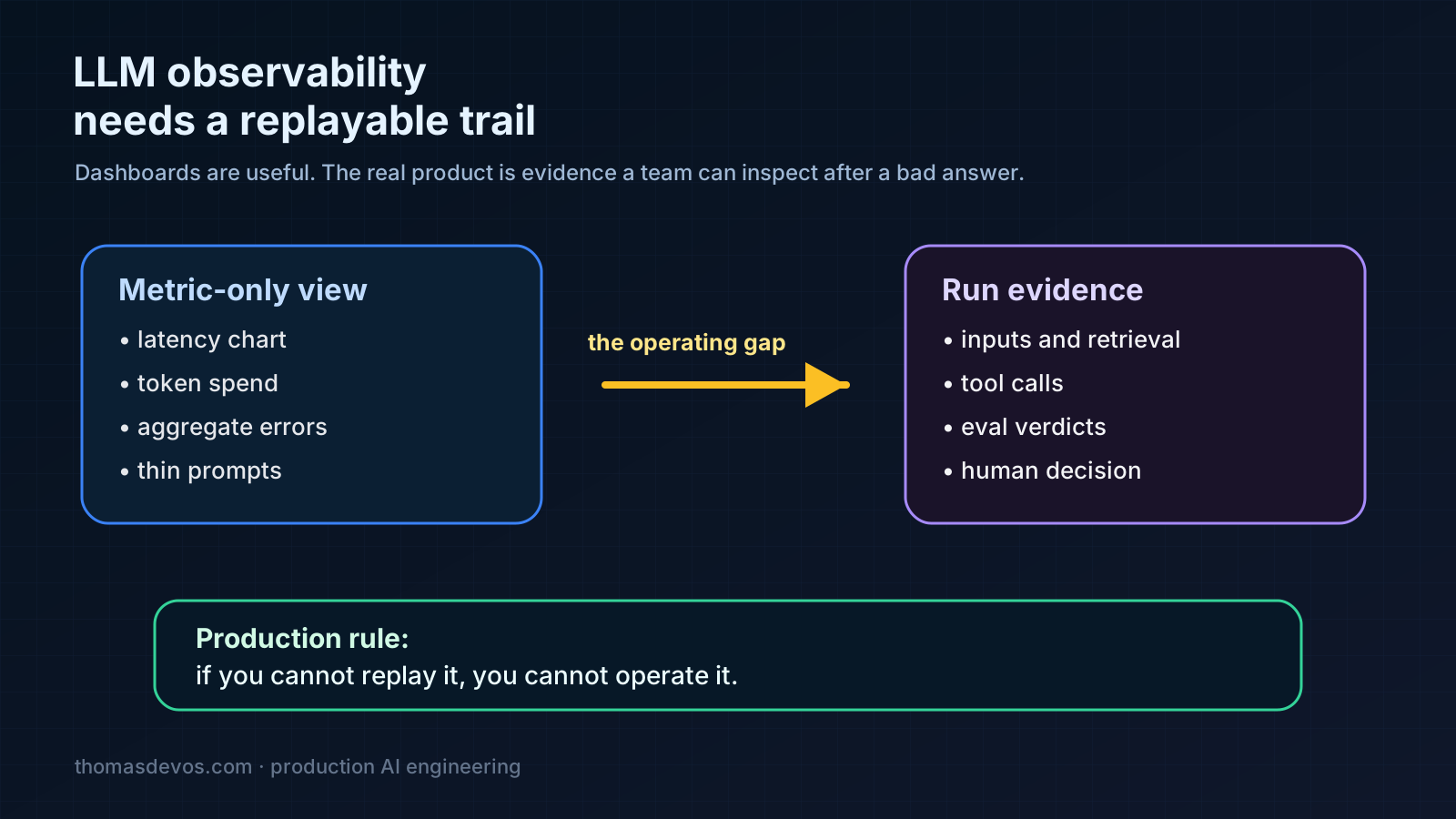
A latency chart will not explain why an AI answer was wrong. Production LLM systems need traces, sources, tool calls, prompt versions, eval results, and human decisions.
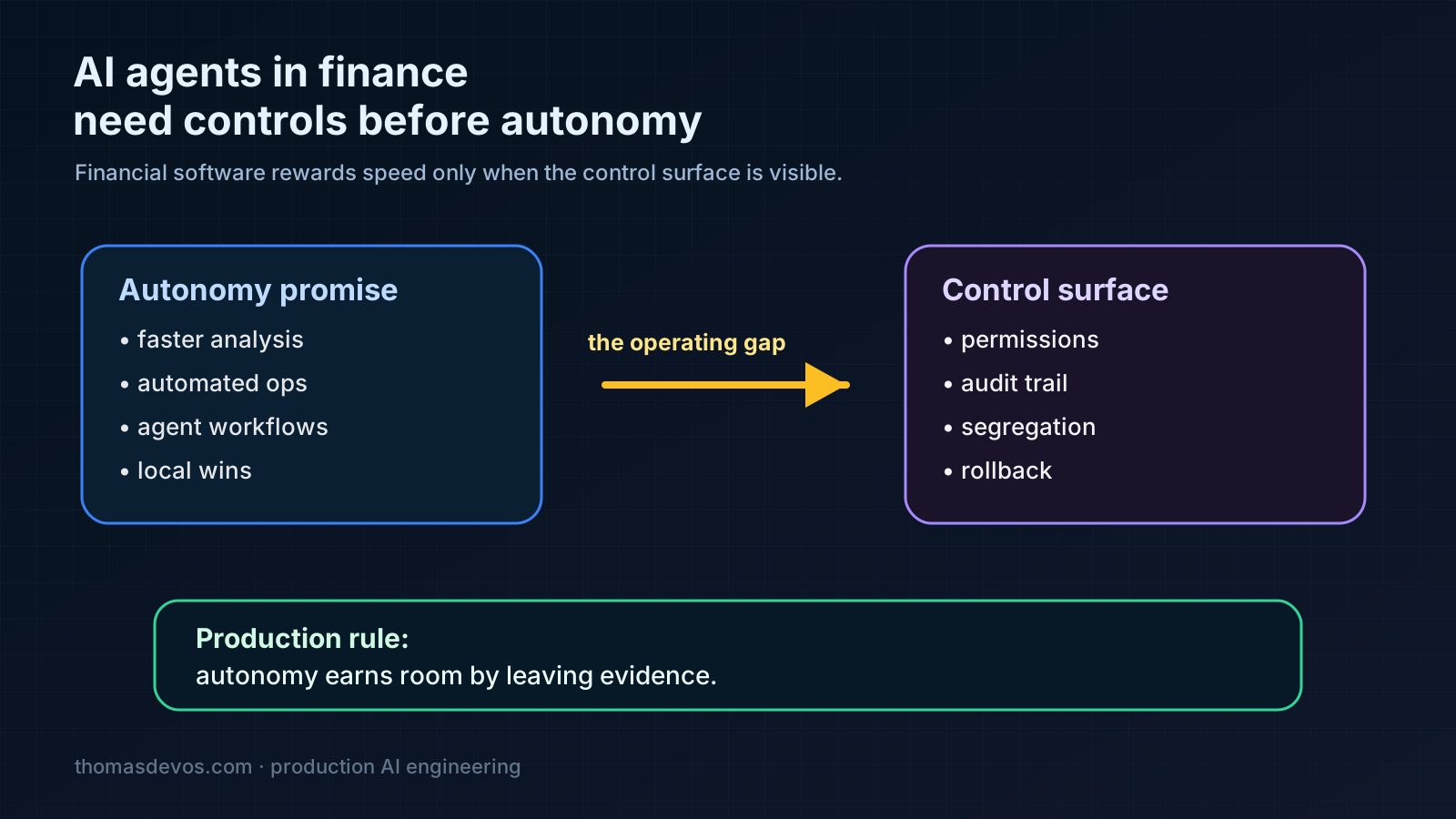
Financial-services AI agents can be useful, but autonomy without permissions, audit trails, segregation, evals, and rollback is just operational risk with a nicer interface.
Python is still the easiest place to experiment with AI. Java still earns its keep when AI has to live inside enterprise systems. The real question is where the AI application crosses from prototype into production risk.

AI agents are not just chatbots with a loop. For production teams, the useful definition is about delegated authority: what the system can see, decide, call, change, and prove afterward.