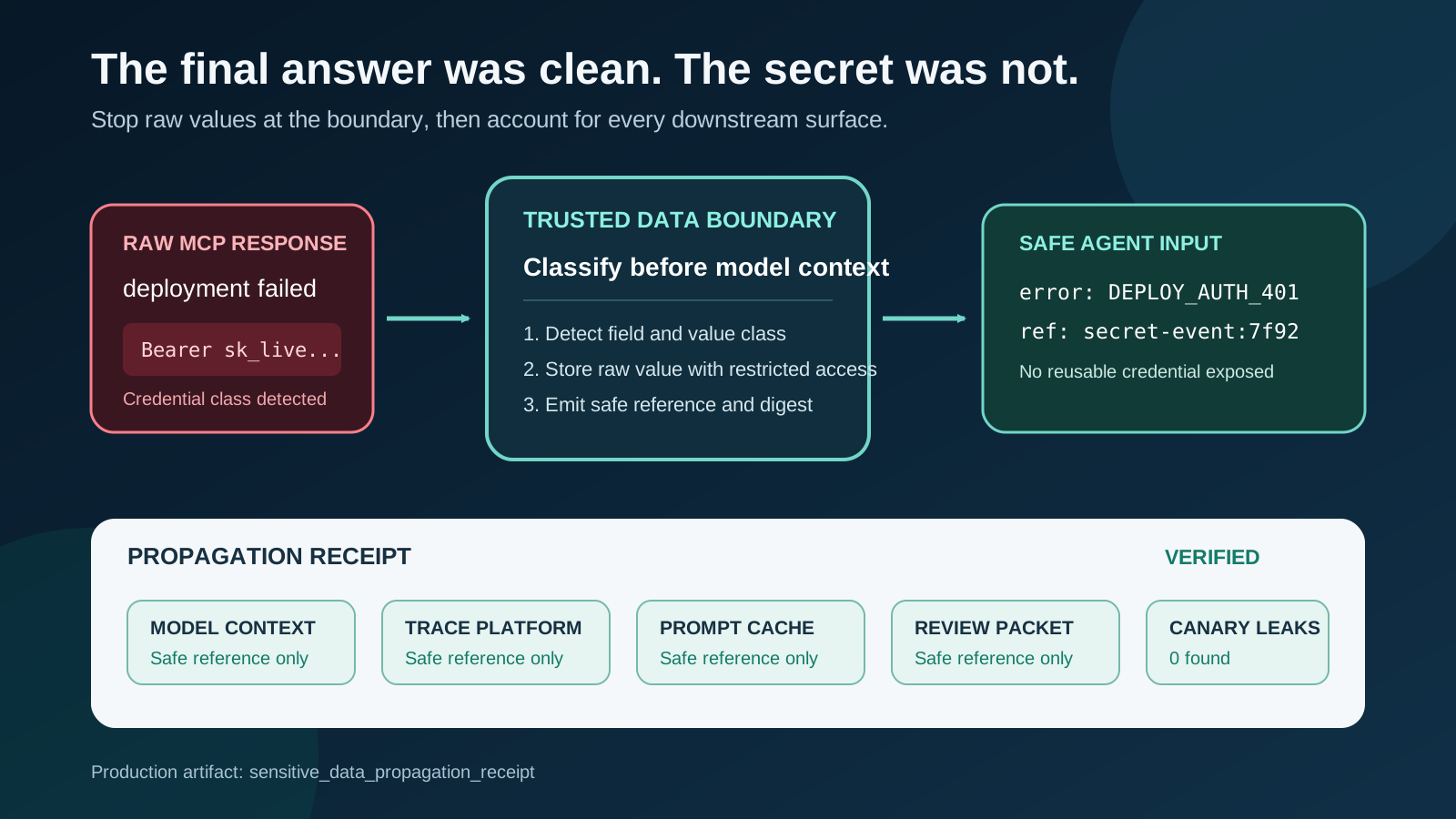
Claude Code redacted the secret after it had already spread
Redacting Claude Code’s final answer does not remove a secret from tool logs, traces, caches, and review packets. Track sensitive data through the whole run with a propagation receipt.
Topic archive
112 essays tagged Claude Code. Practical notes on what happens after the demo: prompts, tools, review packets, evals, rollback, and production ownership.
Redacting Claude Code’s final answer does not remove a secret from tool logs, traces, caches, and review packets. Track sensitive data through the whole run with a propagation receipt.
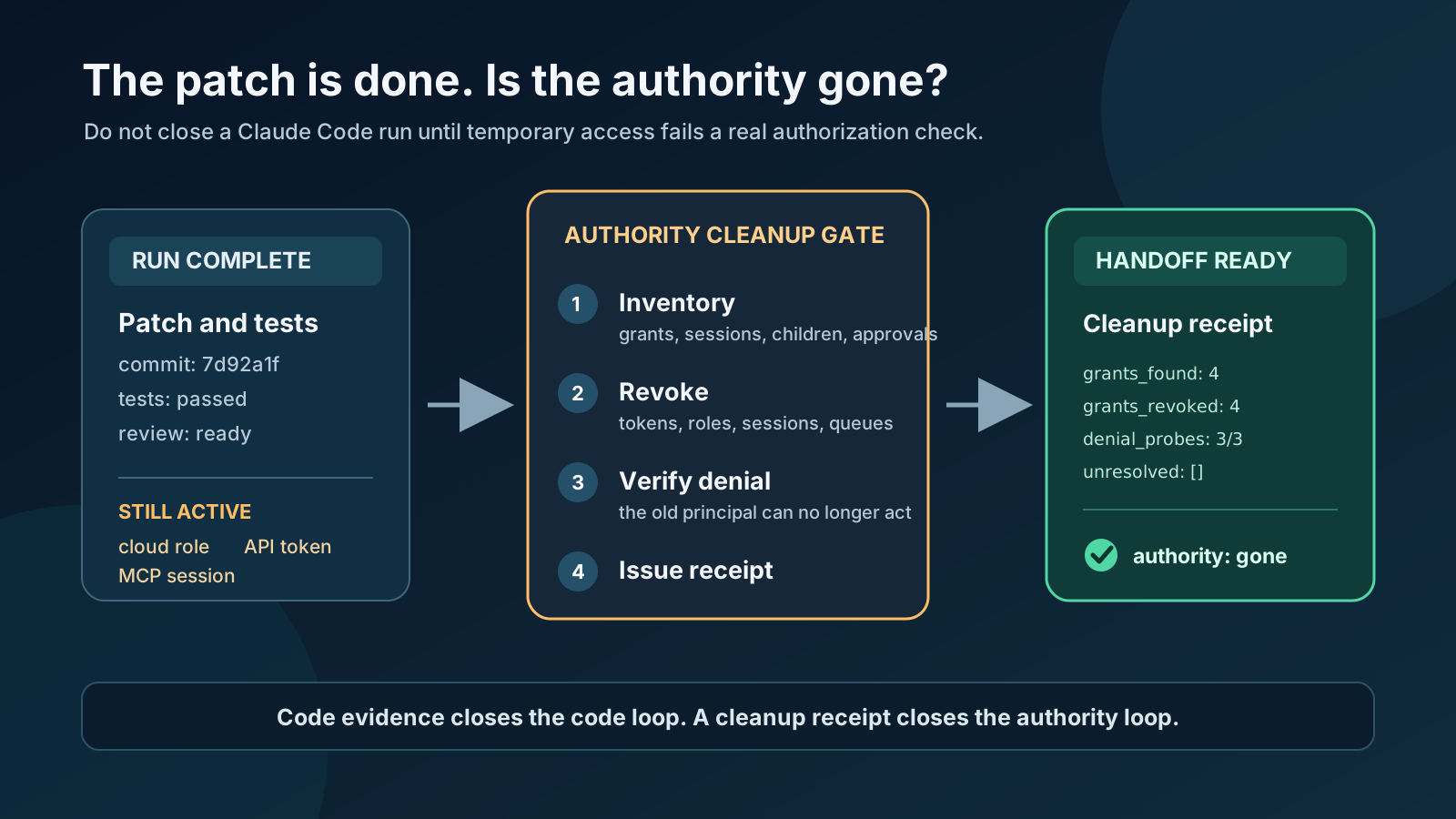
A completed Claude Code run can leave cloud roles, tokens, and MCP sessions behind. Require a cleanup receipt that proves temporary authority has gone.
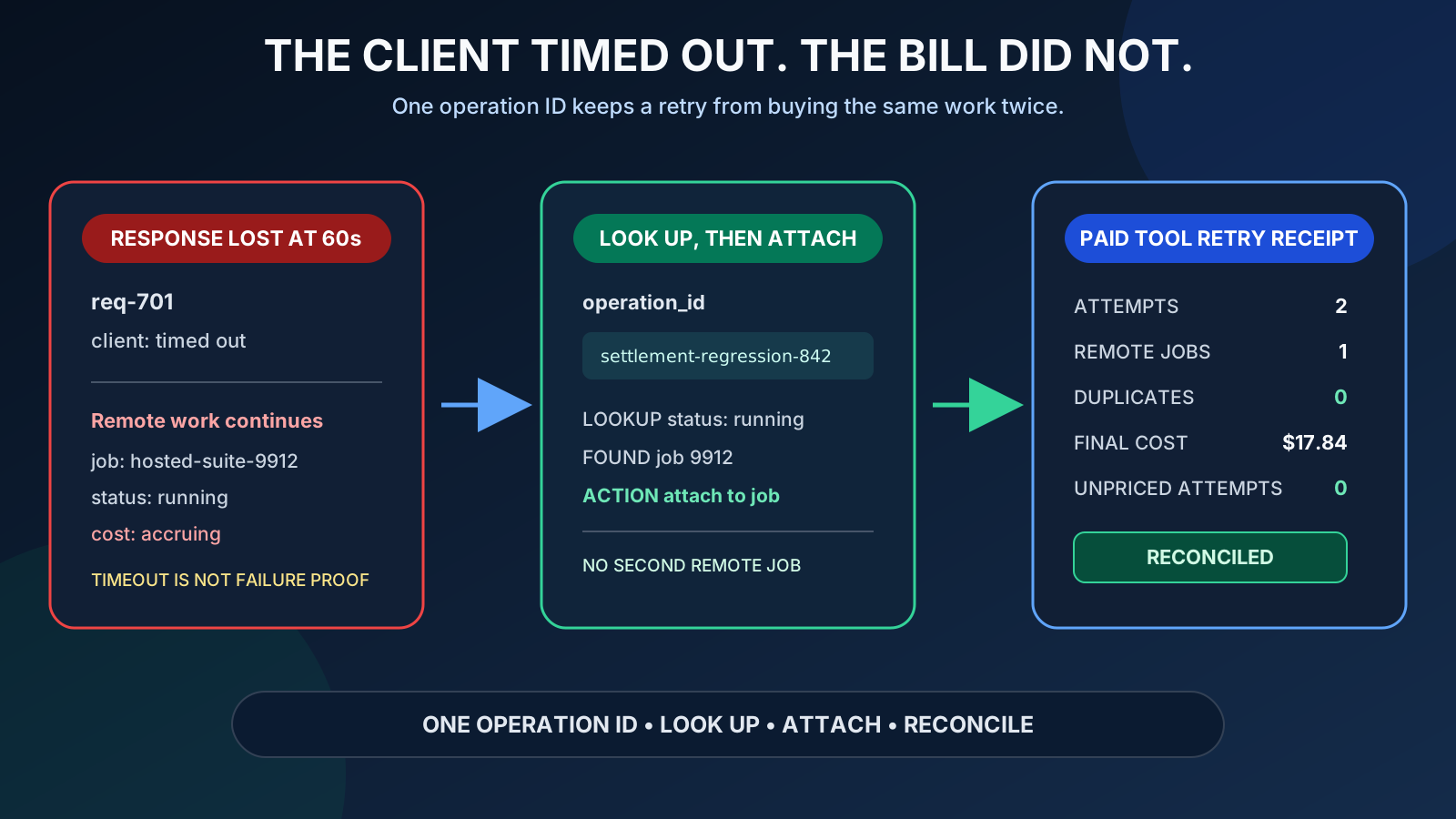
A timed-out MCP call may still be running and charging your account. Give paid tool operations a stable ID, a spend ceiling, and a retry receipt before Claude Code tries again.
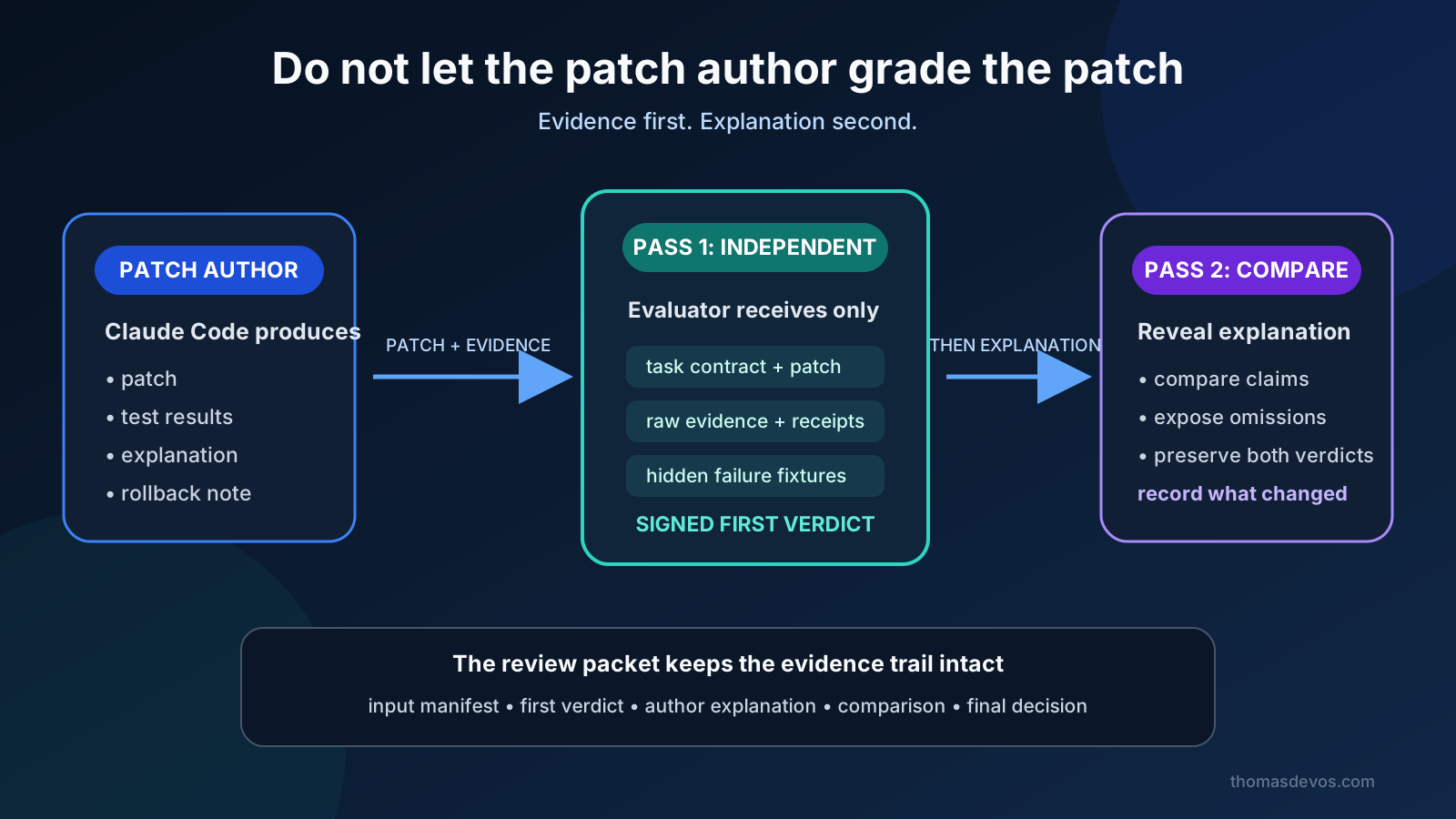
A polished Claude Code handoff can anchor the reviewer before the evidence is checked. Give an independent evaluator the task contract, patch, and raw test results first, then reveal the agent’s explanation.
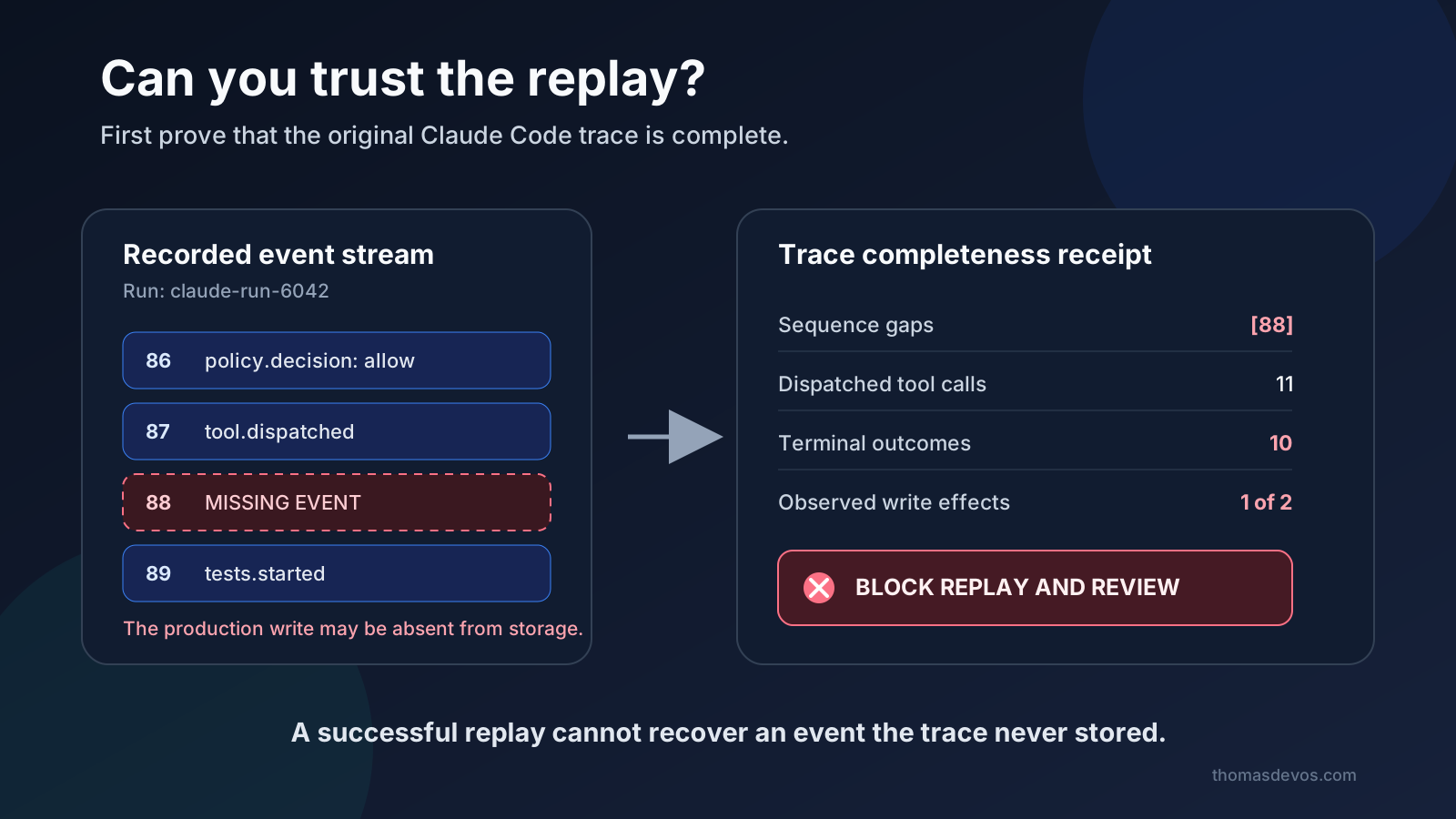
A clean replay can be dangerously reassuring when the original trace dropped the tool call that changed production. Add sequence checks, expected-event accounting, and a completeness receipt before review.
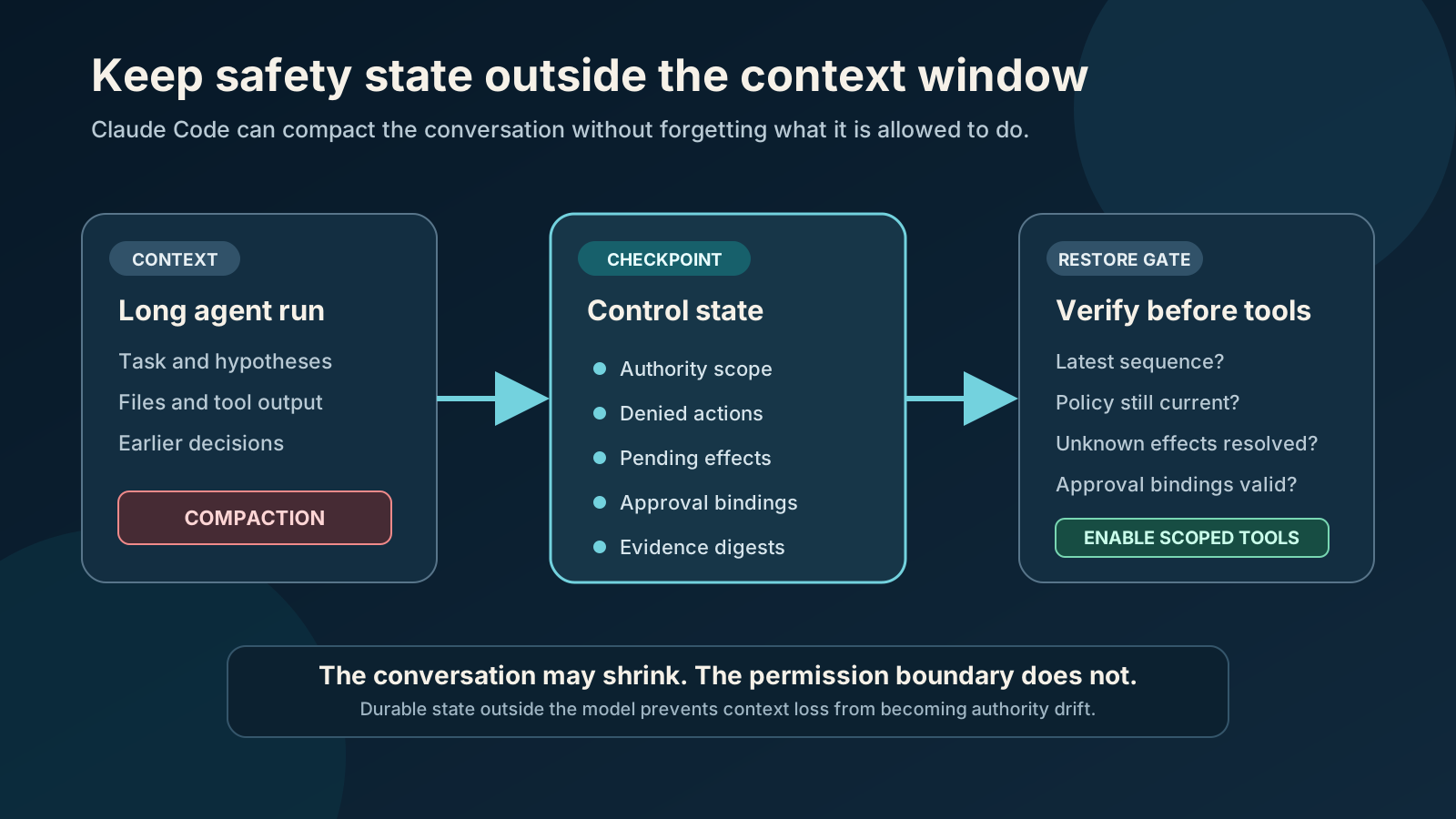
Context compaction can preserve the task while losing the decision that blocked a dangerous tool call. Store authority, denials, and unresolved effects in a control checkpoint outside the transcript.
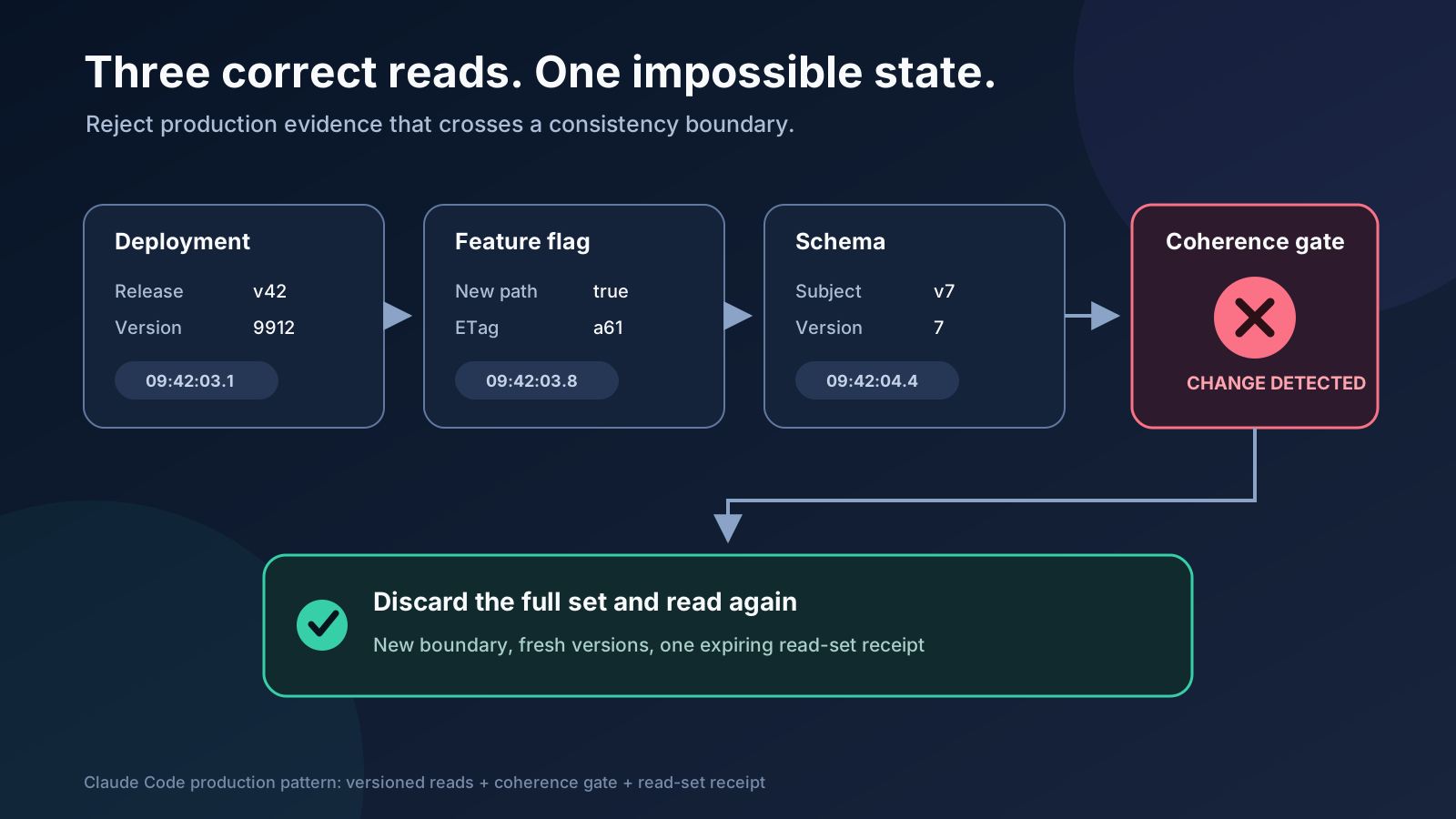
Claude Code can read three correct facts and still build a plan for a system state that never existed. Record a coherent read set and reject evidence that crosses a consistency boundary.
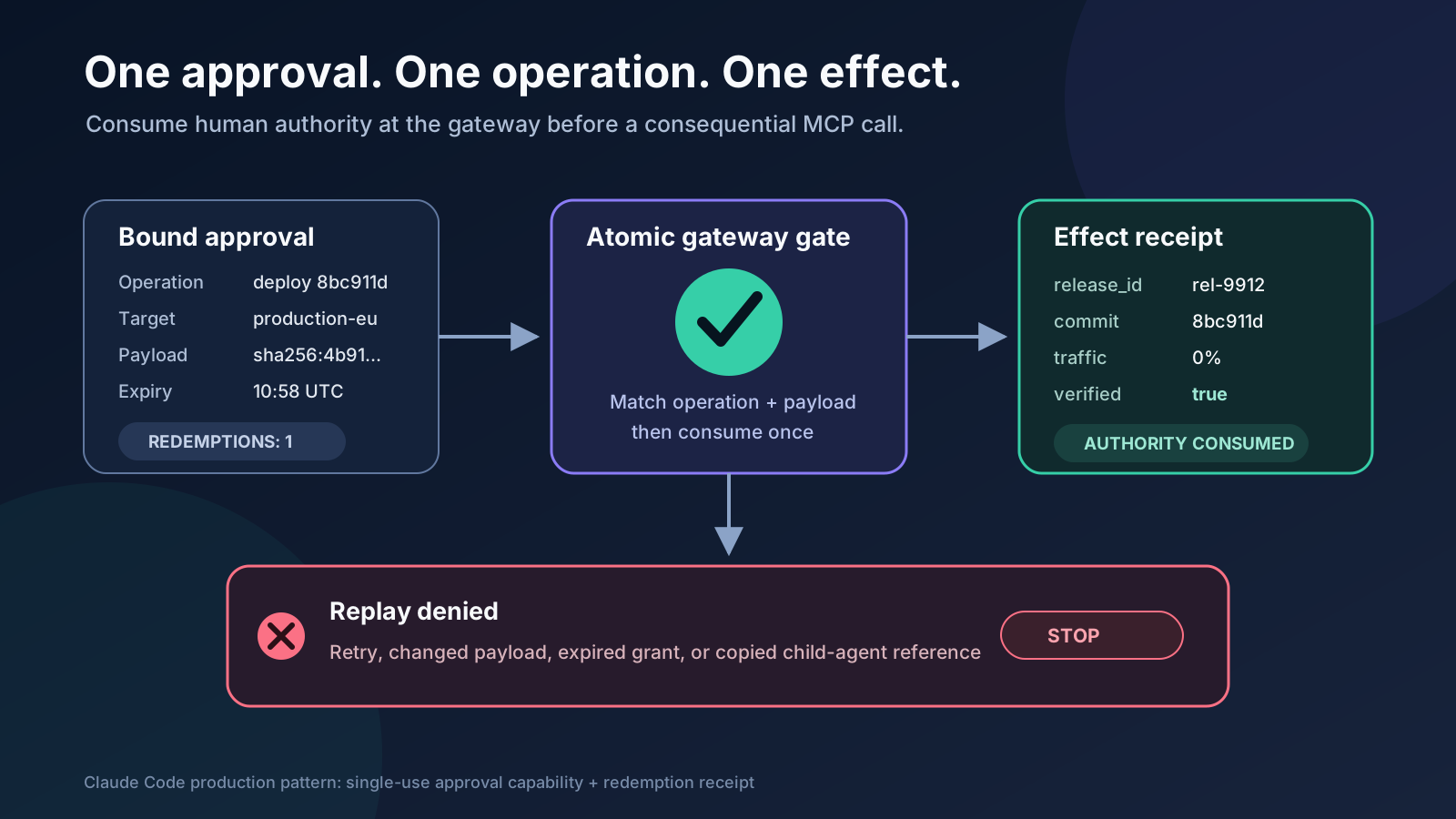
A human approval should authorize one exact Claude Code effect, not every retry that follows. Issue a single-use capability and record its redemption at the tool gateway.
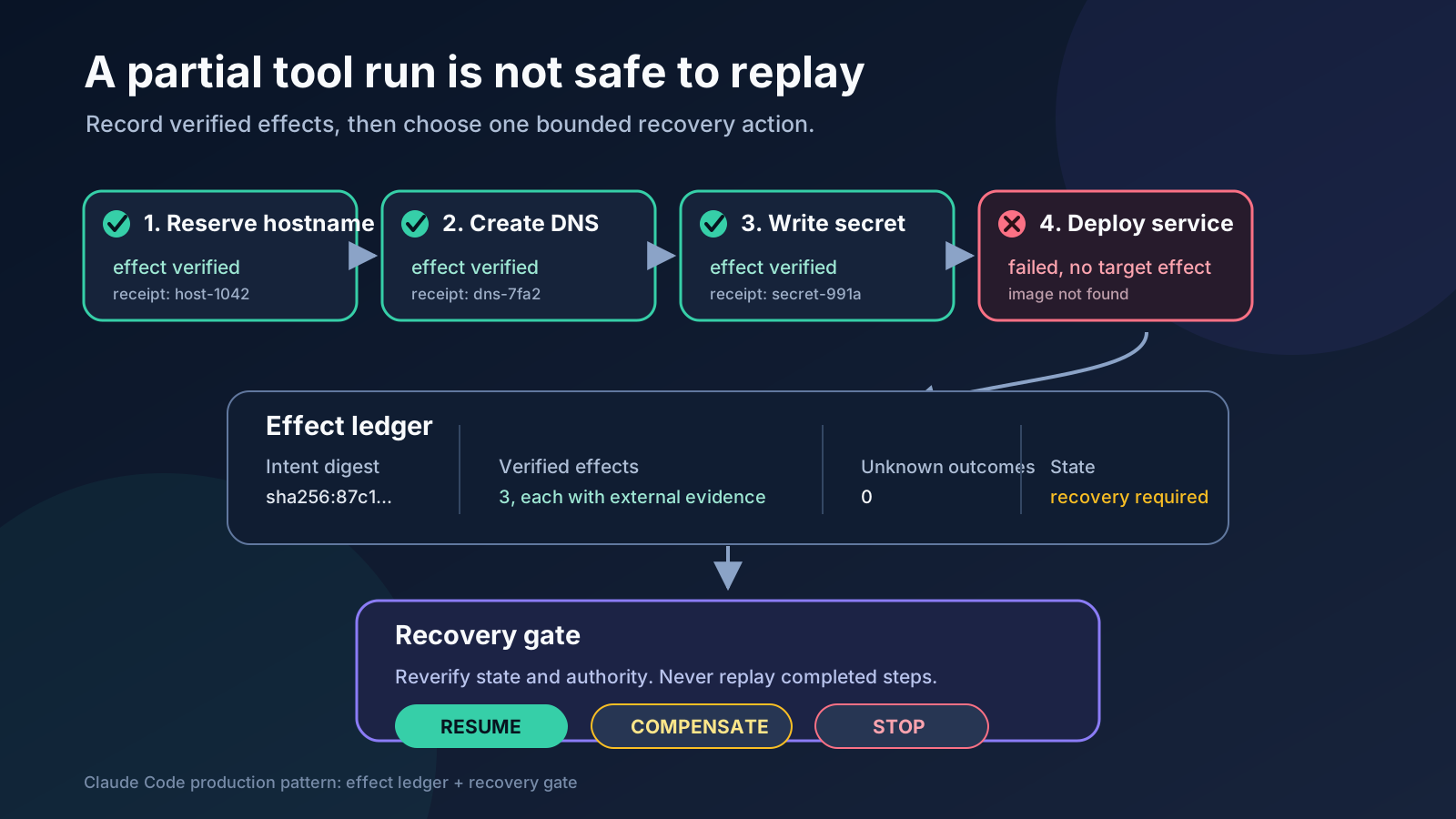
A multi-step Claude Code run can fail after several external writes have already succeeded. Use an effect ledger to resume, compensate, or stop without repeating completed work.
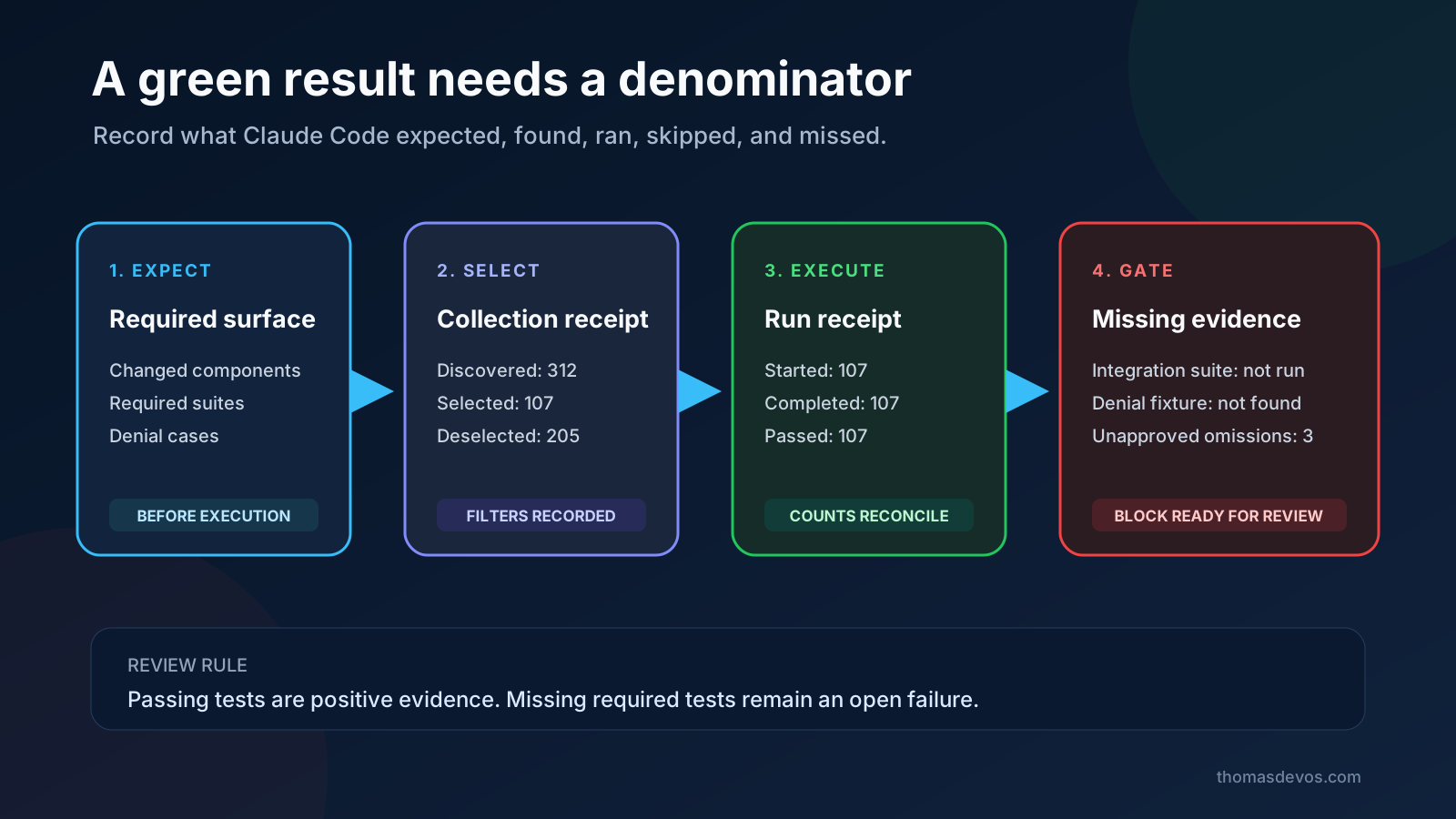
A green test result says little when the agent selected the wrong suite or skipped the risky path. Add a test denominator to every Claude Code review packet.