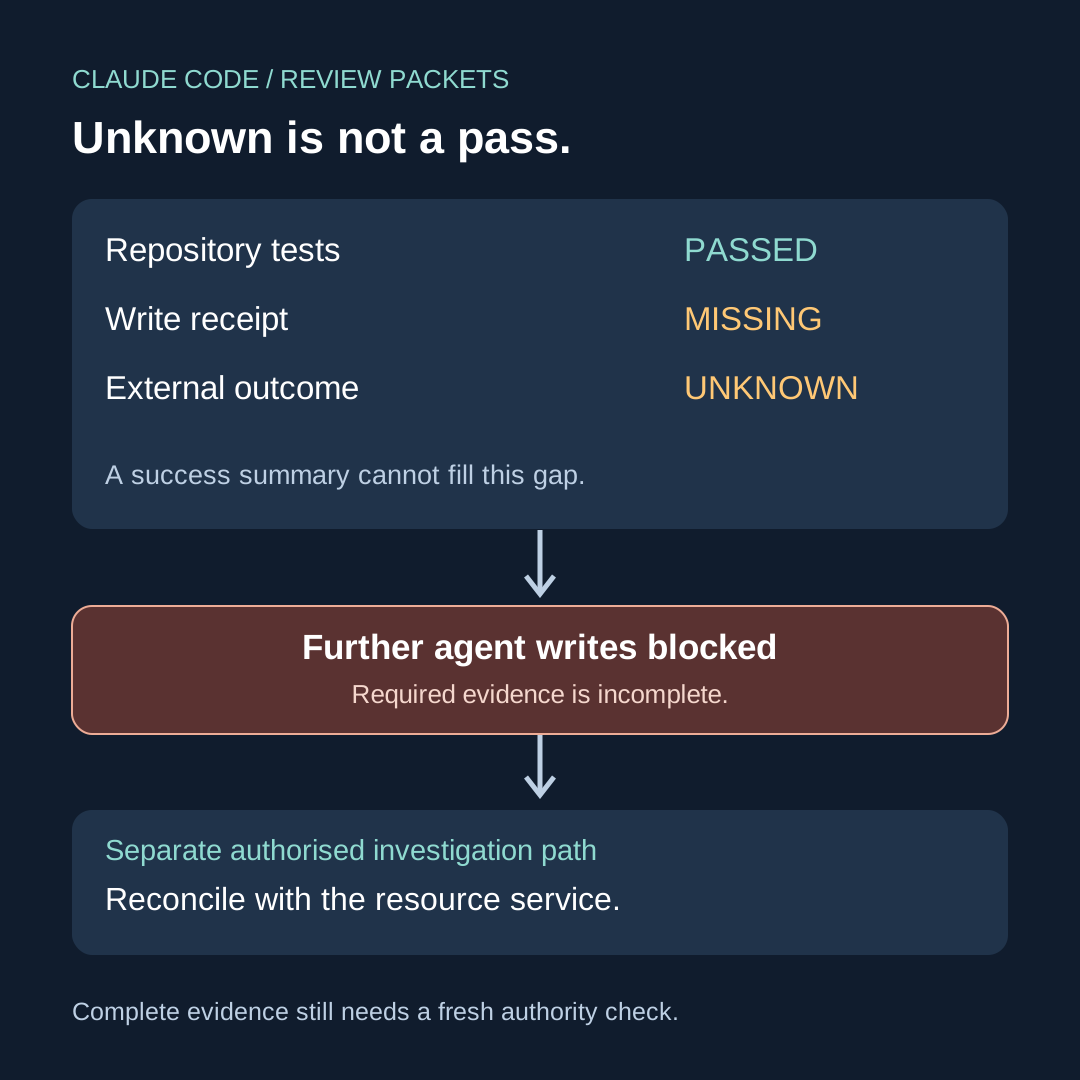
Claude Code review packets: unknown is not a pass
Passing tests cannot settle a missing MCP write receipt. Give unresolved effects a status that the approval gate cannot ignore.
Topic archive
23 essays tagged Evals. Practical notes on what happens after the demo: prompts, tools, review packets, evals, rollback, and production ownership.
Passing tests cannot settle a missing MCP write receipt. Give unresolved effects a status that the approval gate cannot ignore.
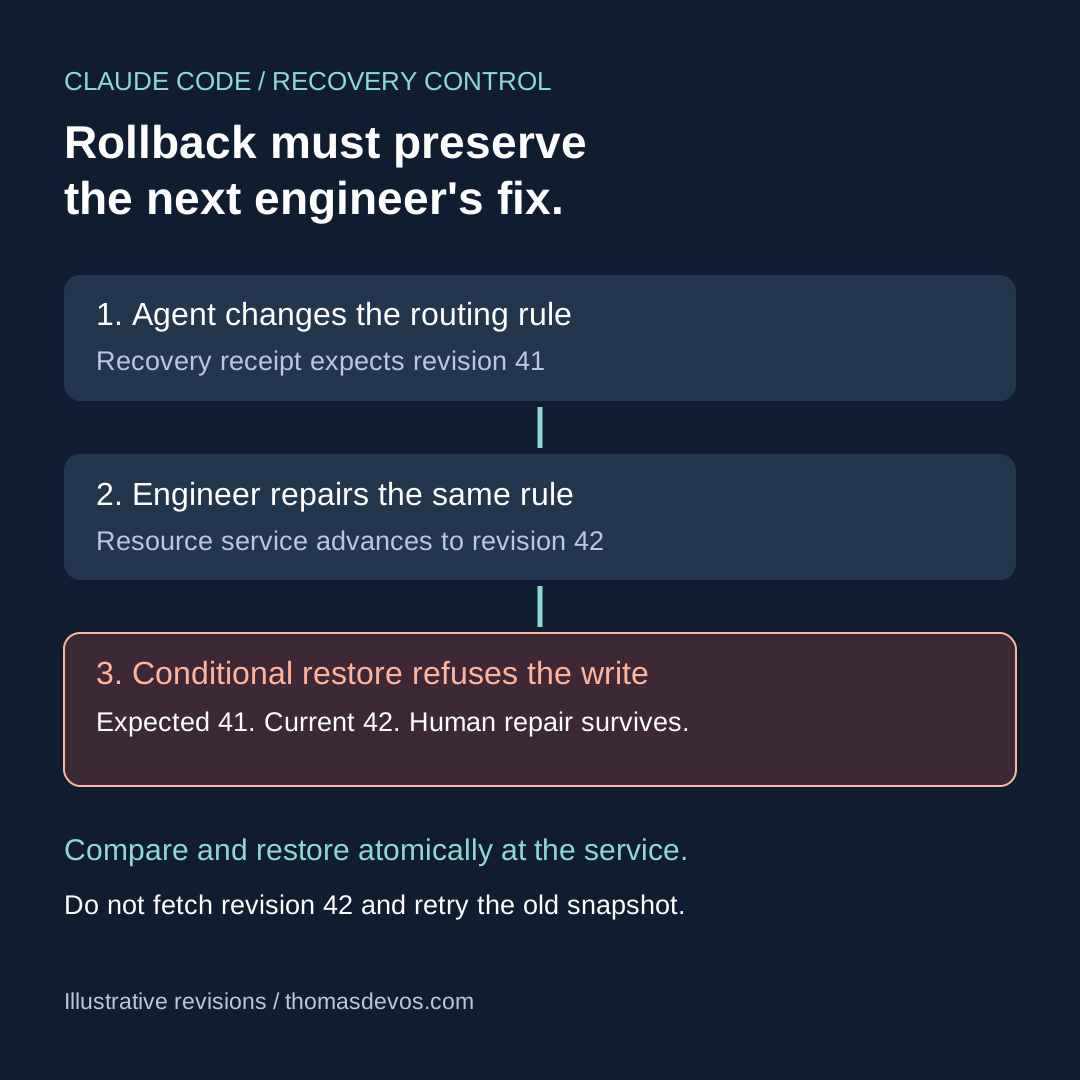
A saved snapshot can undo the agent’s change and somebody else’s repair. Make recovery conditional on the revision the agent wrote.
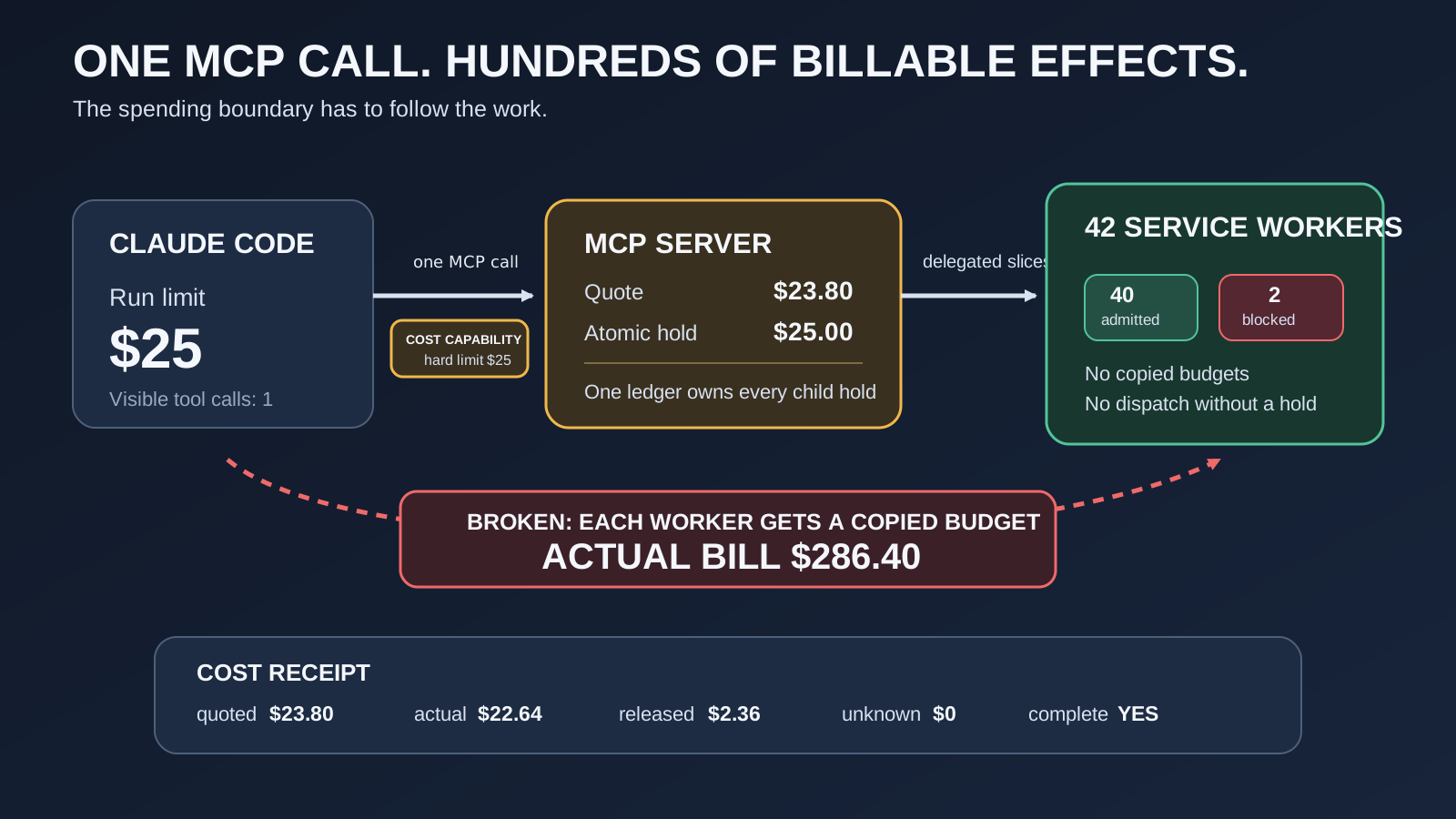
The Claude Code run had a $25 limit and made one MCP call. Hidden fan-out behind the server produced a $286.40 bill.
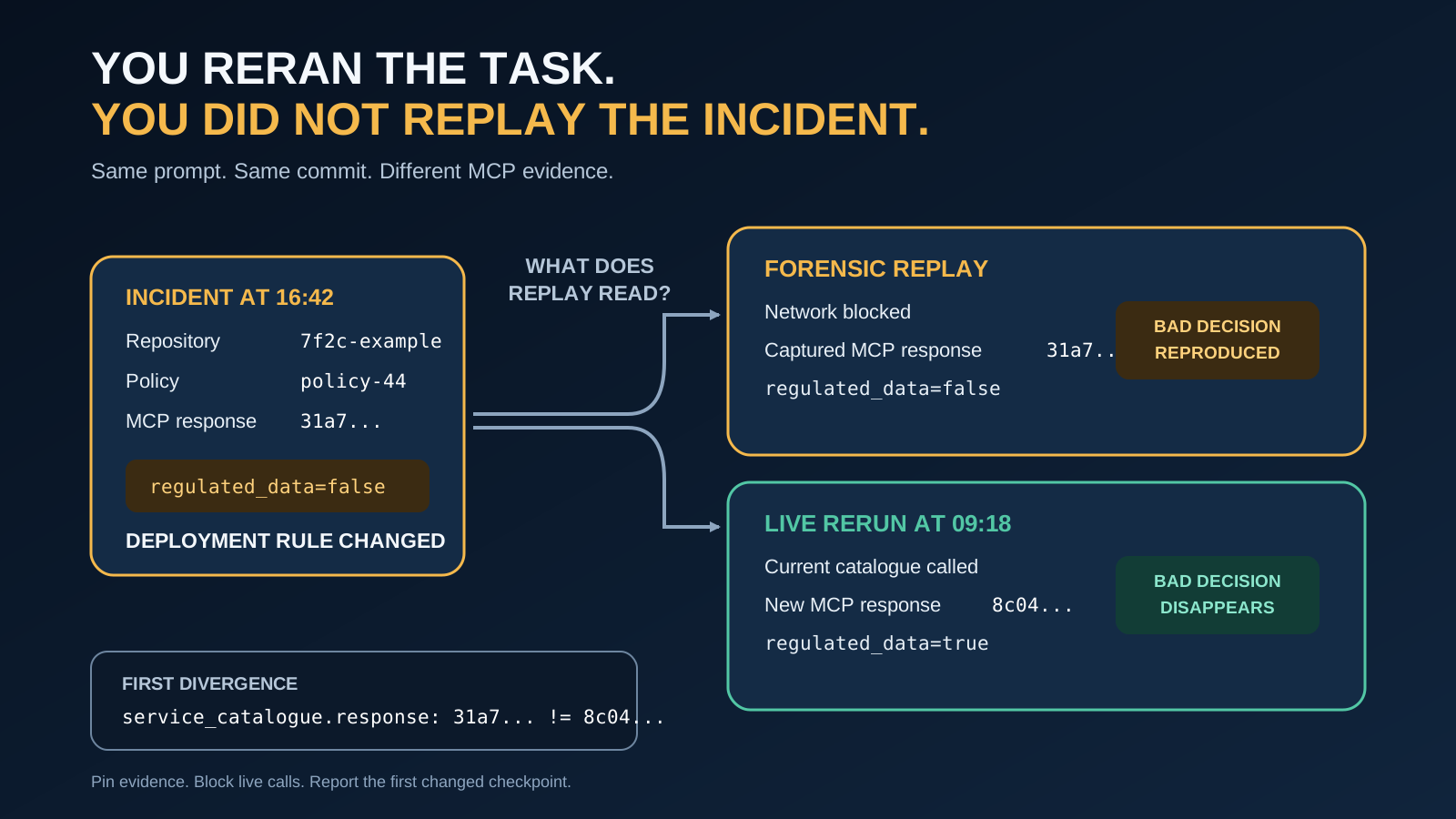
The same prompt and repository commit produced a clean replay because an MCP tool returned newer evidence. The team had rerun the task, not reproduced the incident.
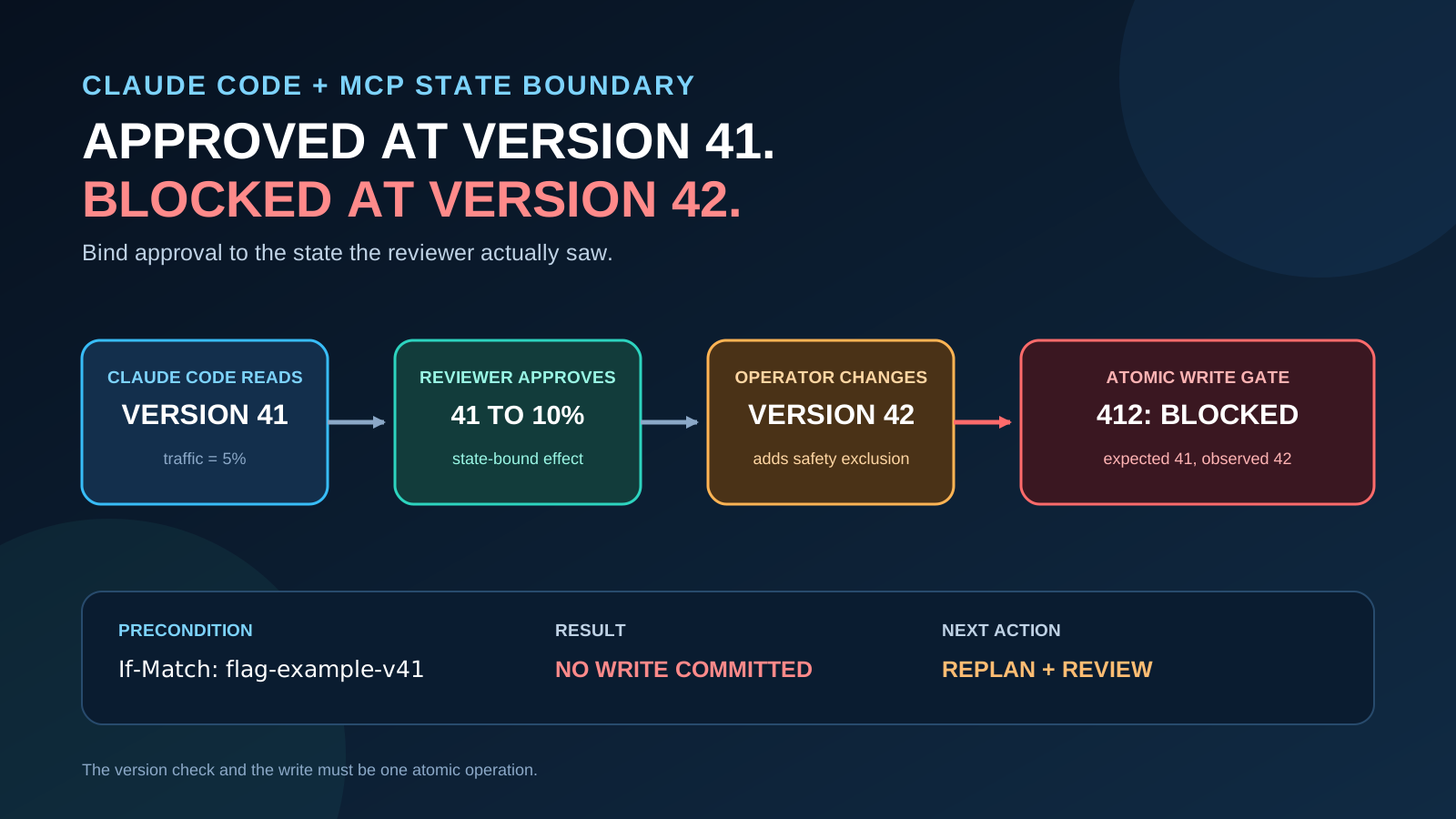
A reviewer approved a Claude Code change against resource version 41. By execution time, version 42 existed, but the MCP write replaced it anyway.
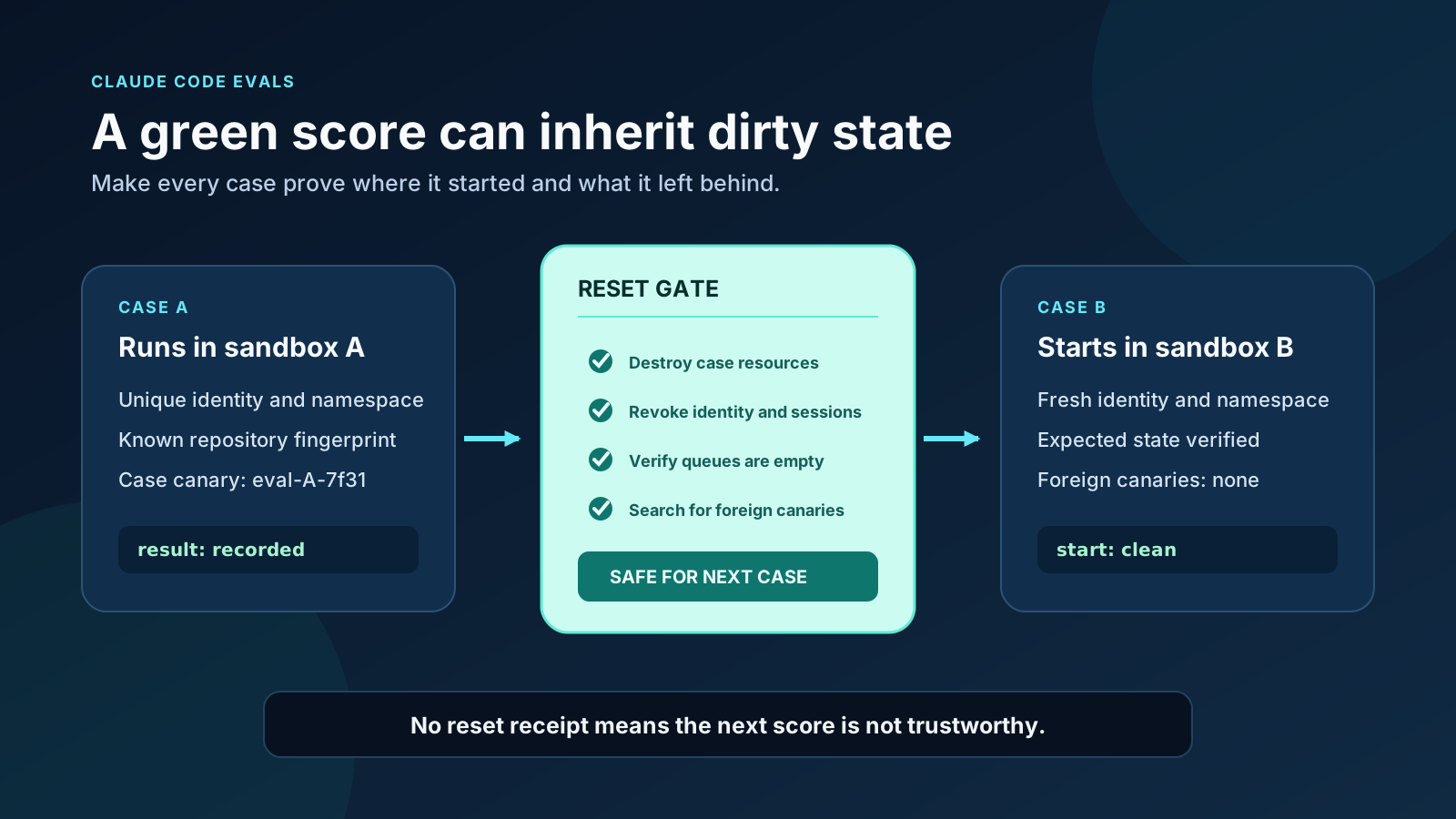
A Claude Code eval can pass only because an earlier case left the sandbox in a helpful state. Give every case a fresh environment, a state fingerprint, and a reset receipt.
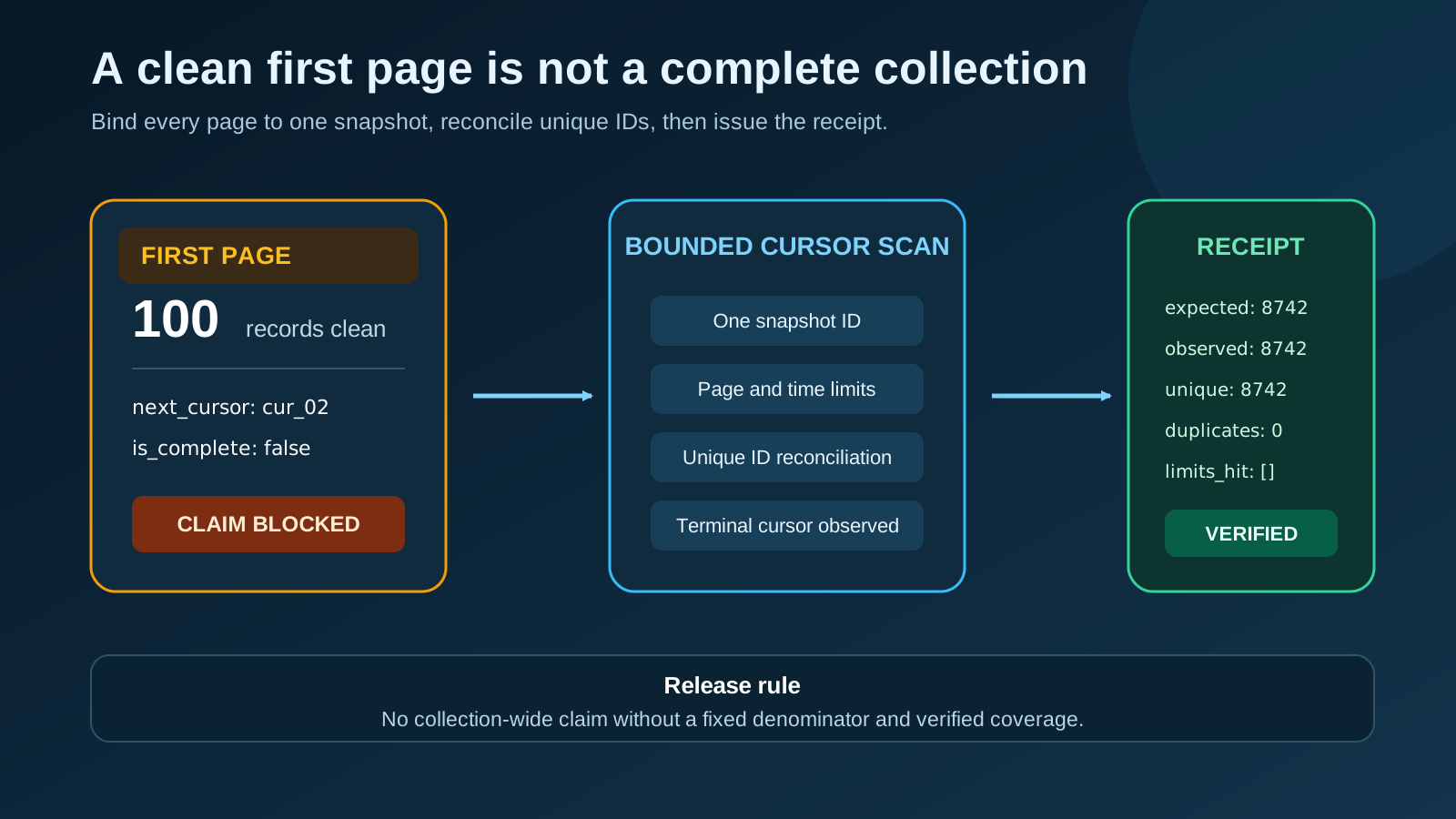
An MCP tool returned 100 clean records, so Claude Code declared a migration complete. The other 8,642 records were still waiting behind a cursor.
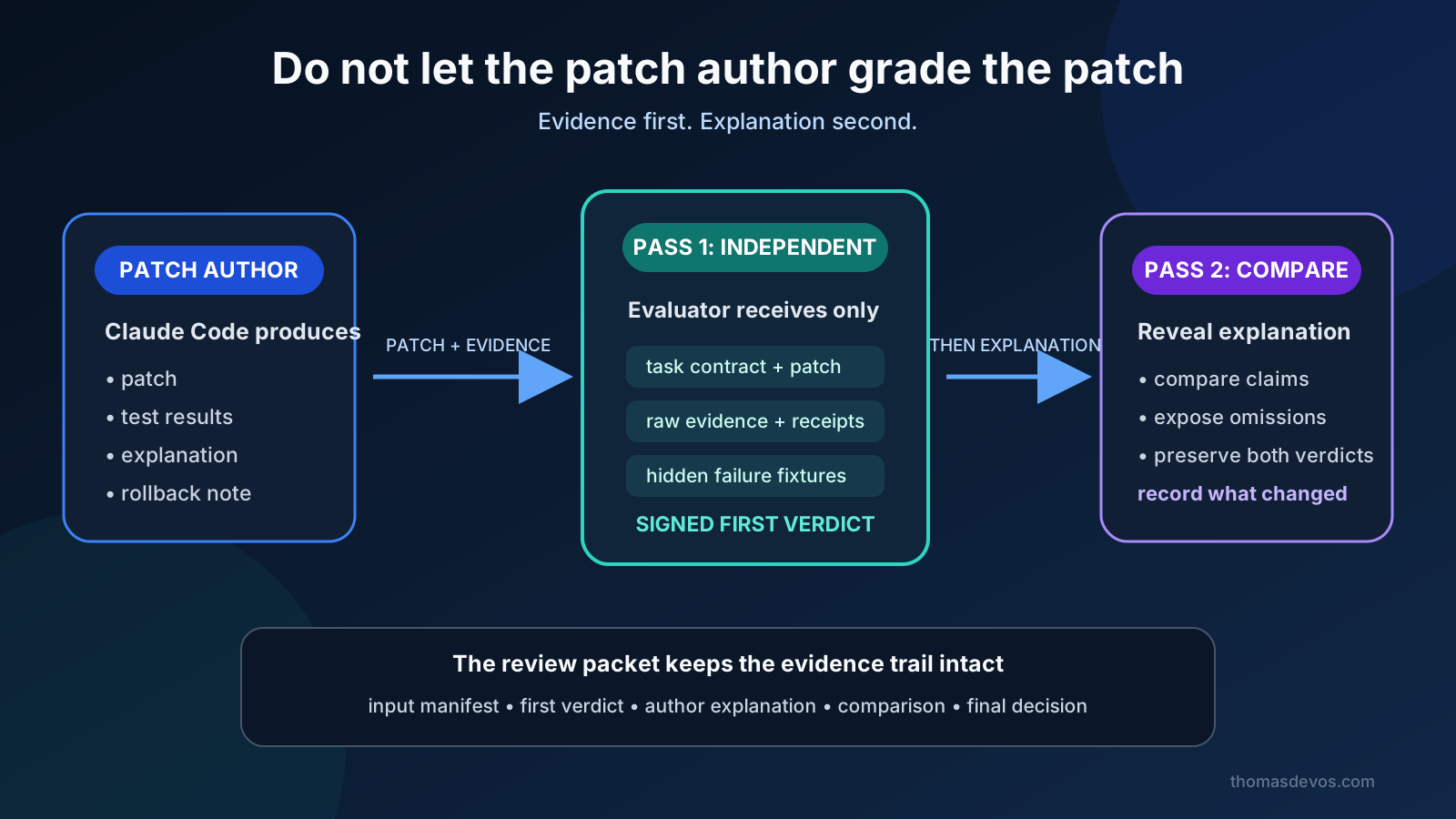
A polished Claude Code handoff can anchor the reviewer before the evidence is checked. Give an independent evaluator the task contract, patch, and raw test results first, then reveal the agent’s explanation.
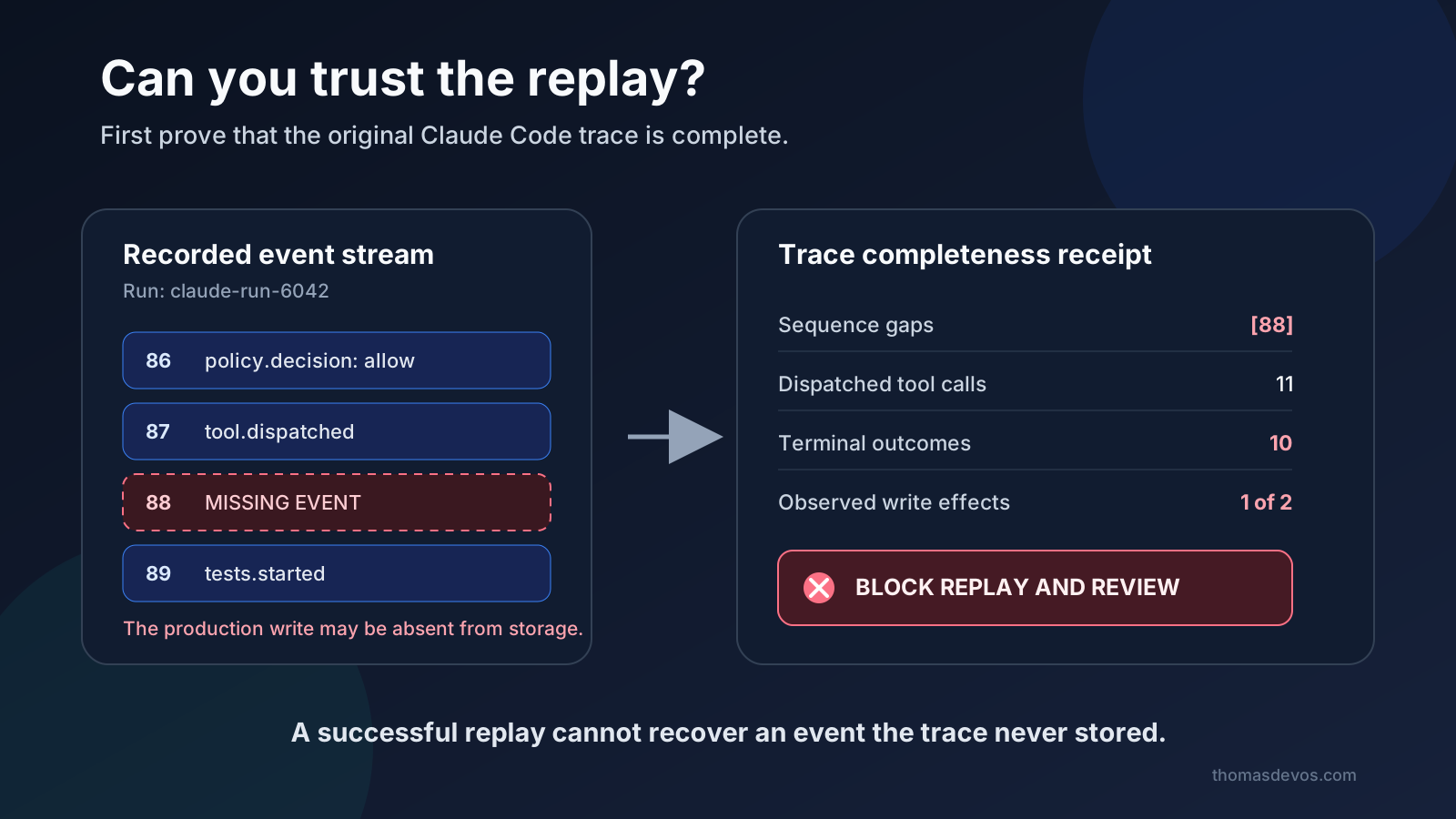
A clean replay can be dangerously reassuring when the original trace dropped the tool call that changed production. Add sequence checks, expected-event accounting, and a completeness receipt before review.
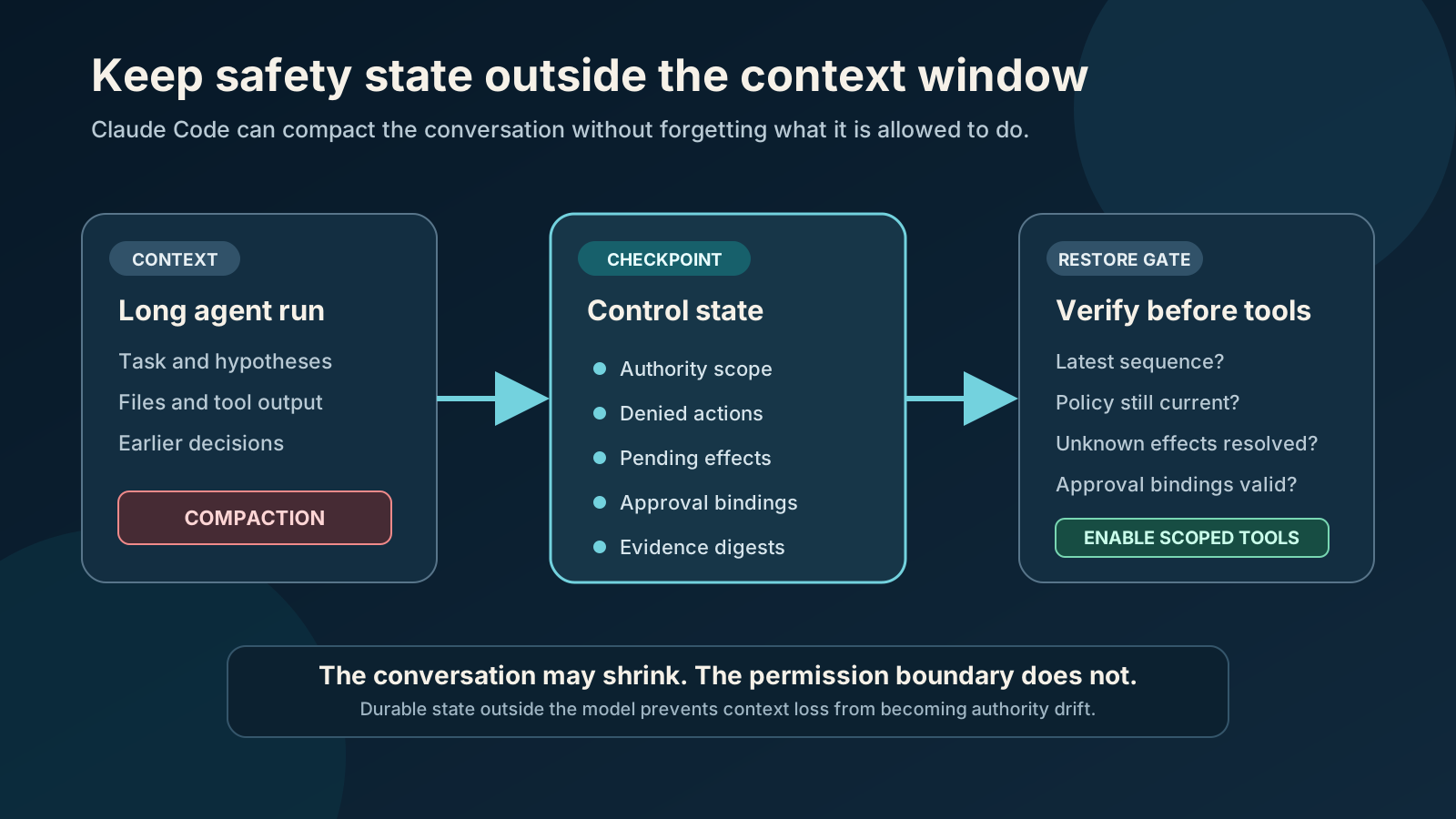
Context compaction can preserve the task while losing the decision that blocked a dangerous tool call. Store authority, denials, and unresolved effects in a control checkpoint outside the transcript.