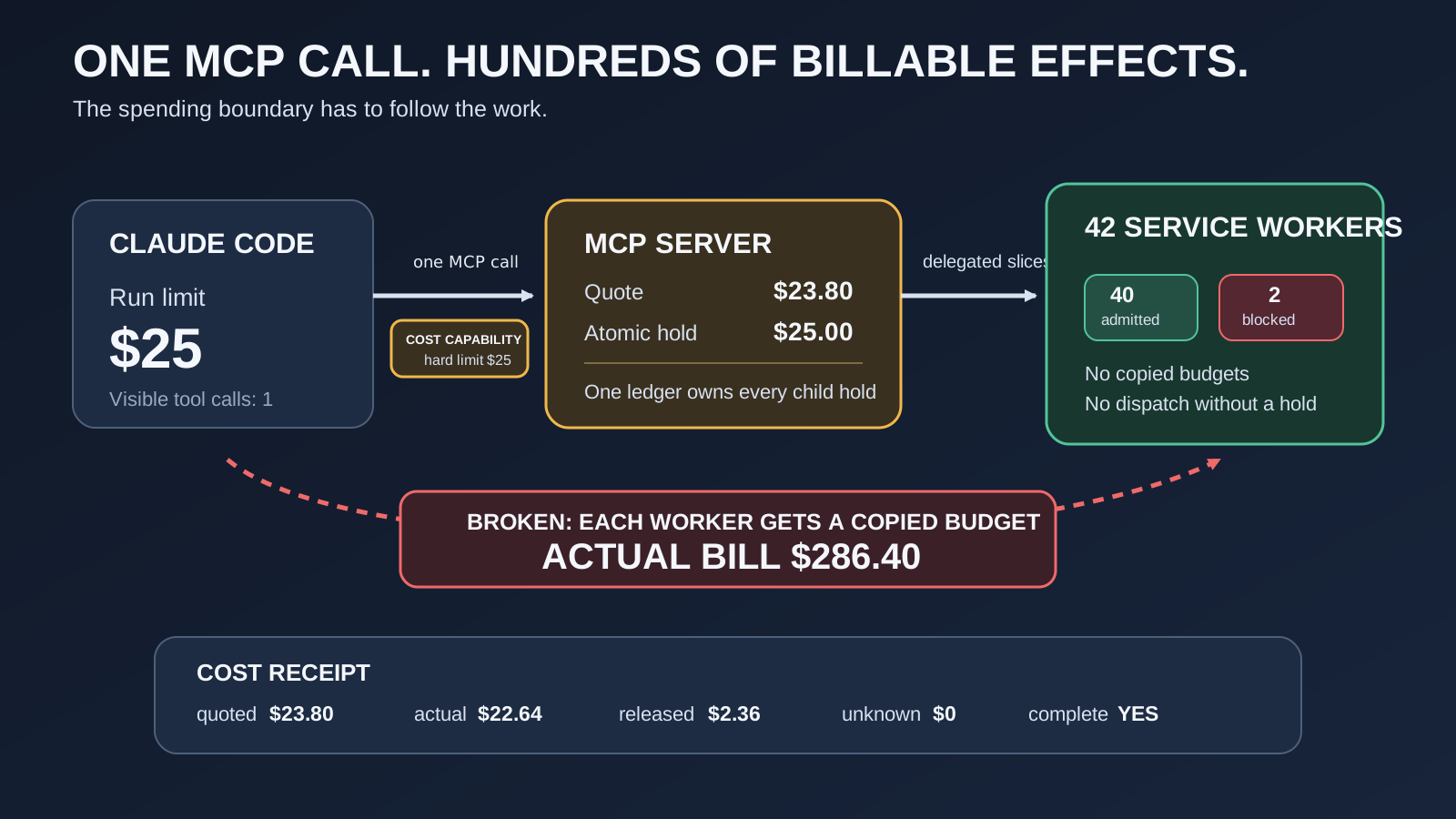
One Claude Code MCP call spent the whole agent budget
The Claude Code run had a $25 limit and made one MCP call. Hidden fan-out behind the server produced a $286.40 bill.
Topic archive
26 essays tagged LLMOps. Practical notes on what happens after the demo: prompts, tools, review packets, evals, rollback, and production ownership.
The Claude Code run had a $25 limit and made one MCP call. Hidden fan-out behind the server produced a $286.40 bill.
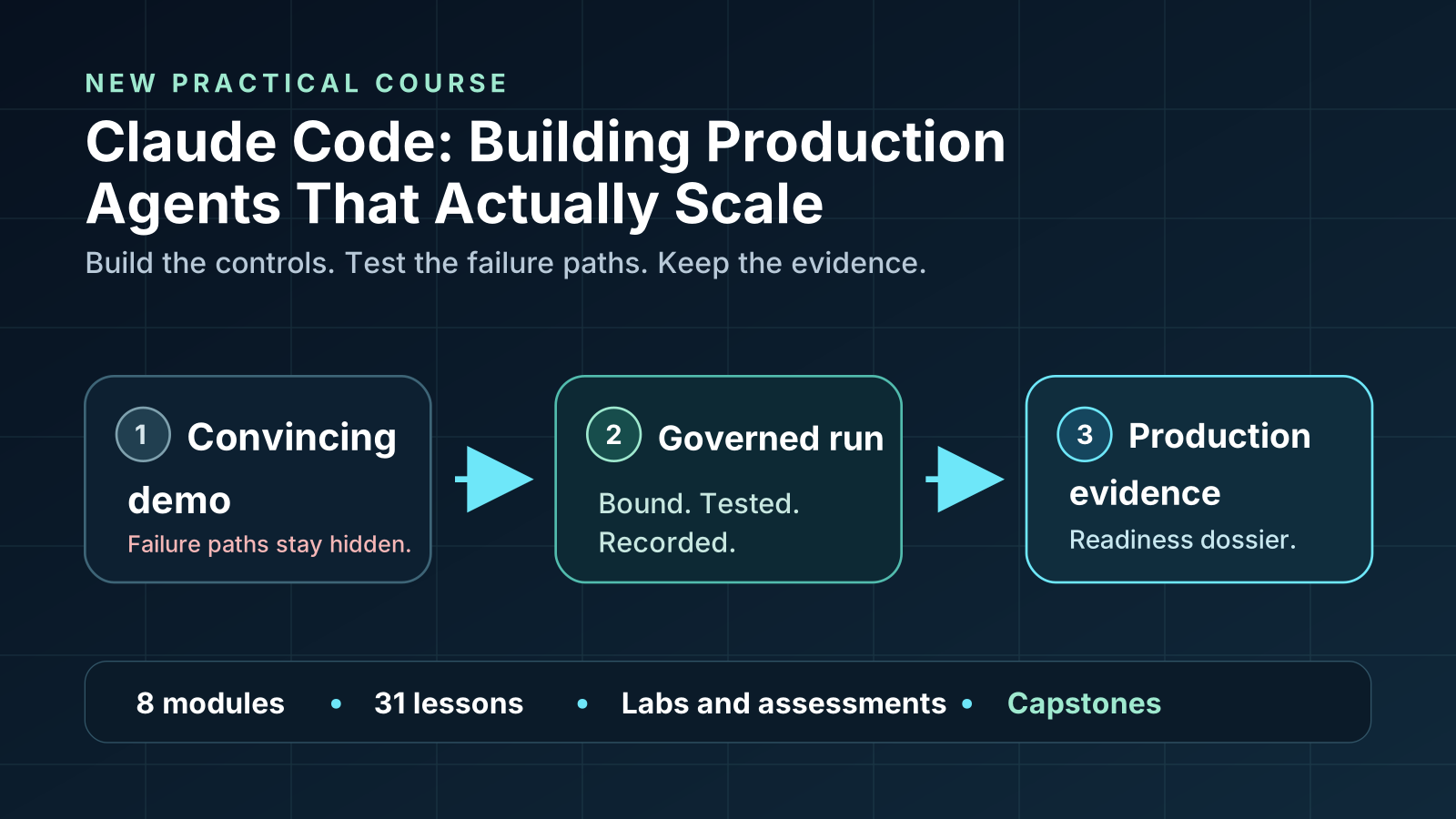
My new practical Leanpub course turns the production engineering behind Claude Code agents into labs, assessments, capstones, and a production-readiness dossier.
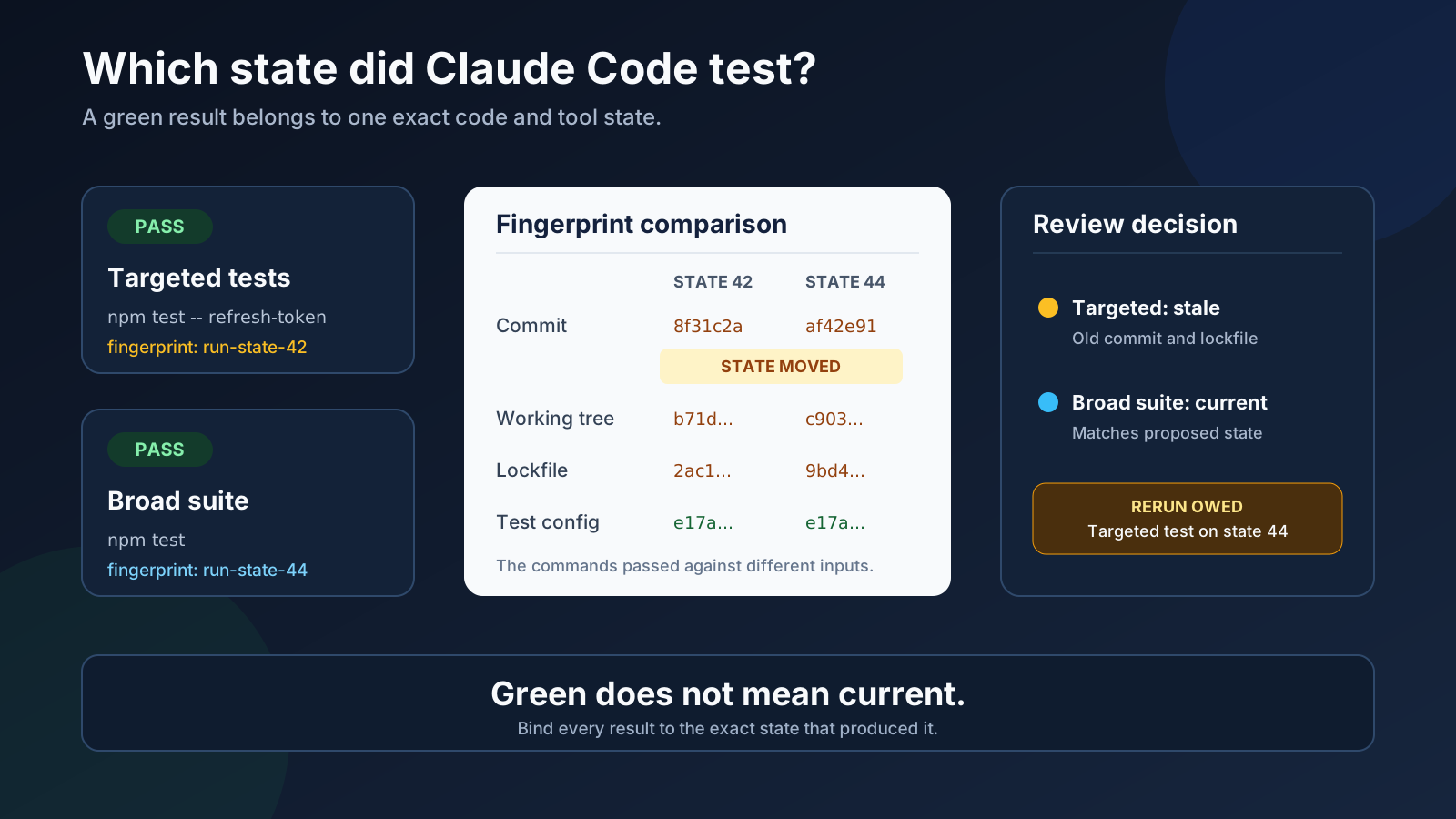
Claude Code can report passing tests from different repository states. Add a run fingerprint so each result names the exact code, dependencies, tools, and policy it tested.
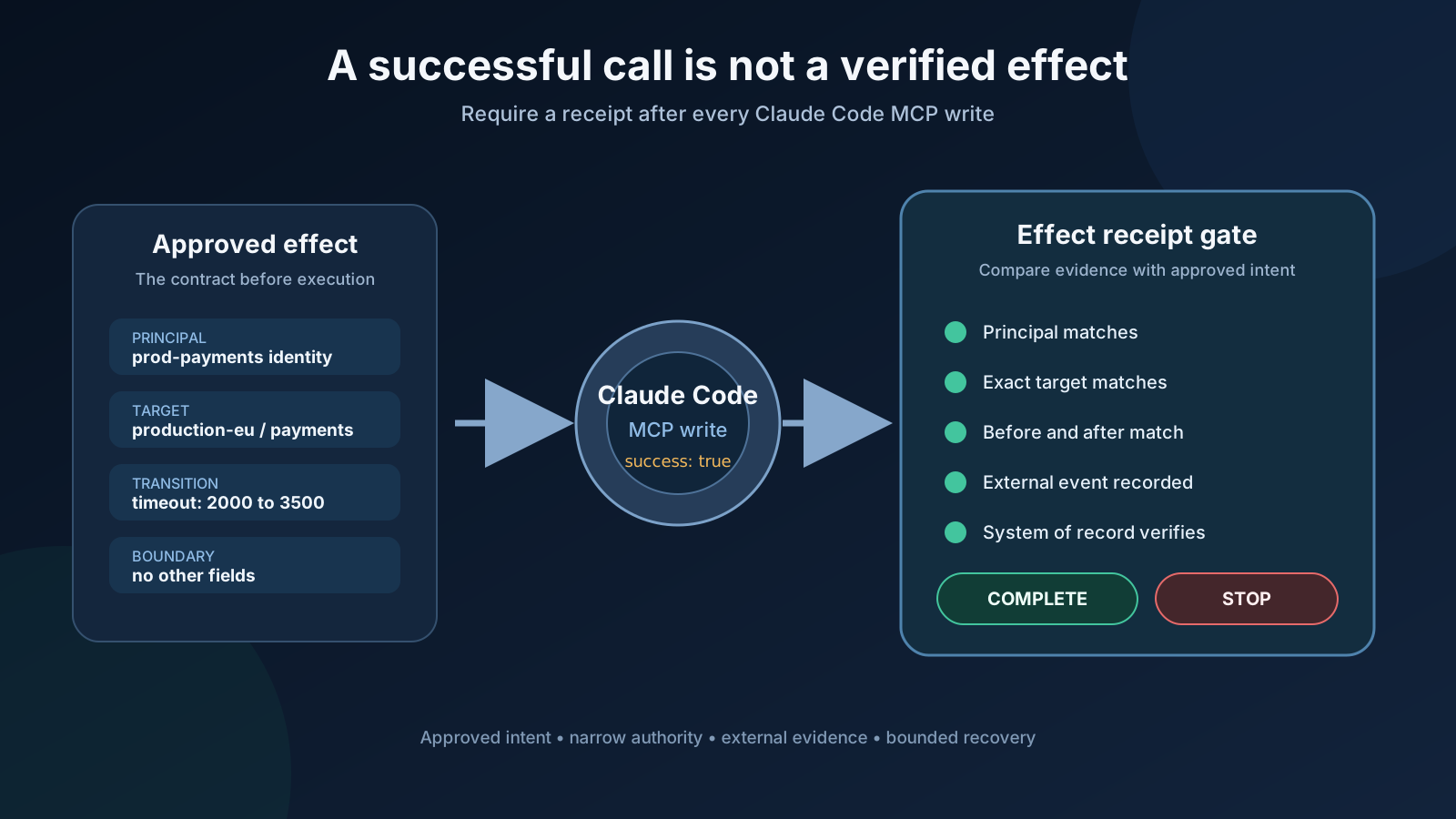
An MCP tool can return success after changing the wrong target or using the wrong authority. Make Claude Code prove the external effect before it reports completion.
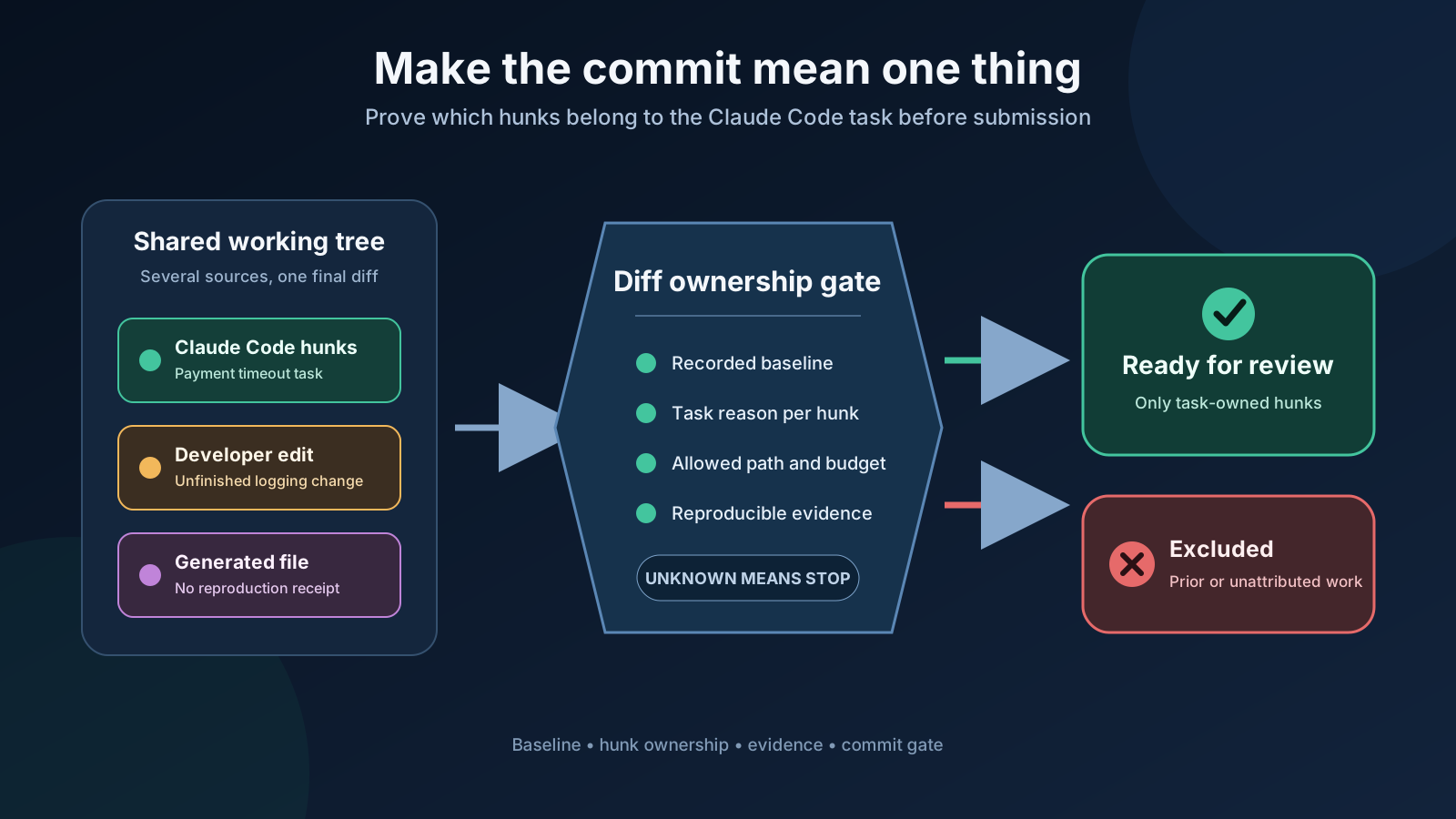
Claude Code can accidentally include a developer’s unfinished edit or another agent’s output in its patch. Record the baseline, attribute every hunk, and block commits when ownership is unclear.
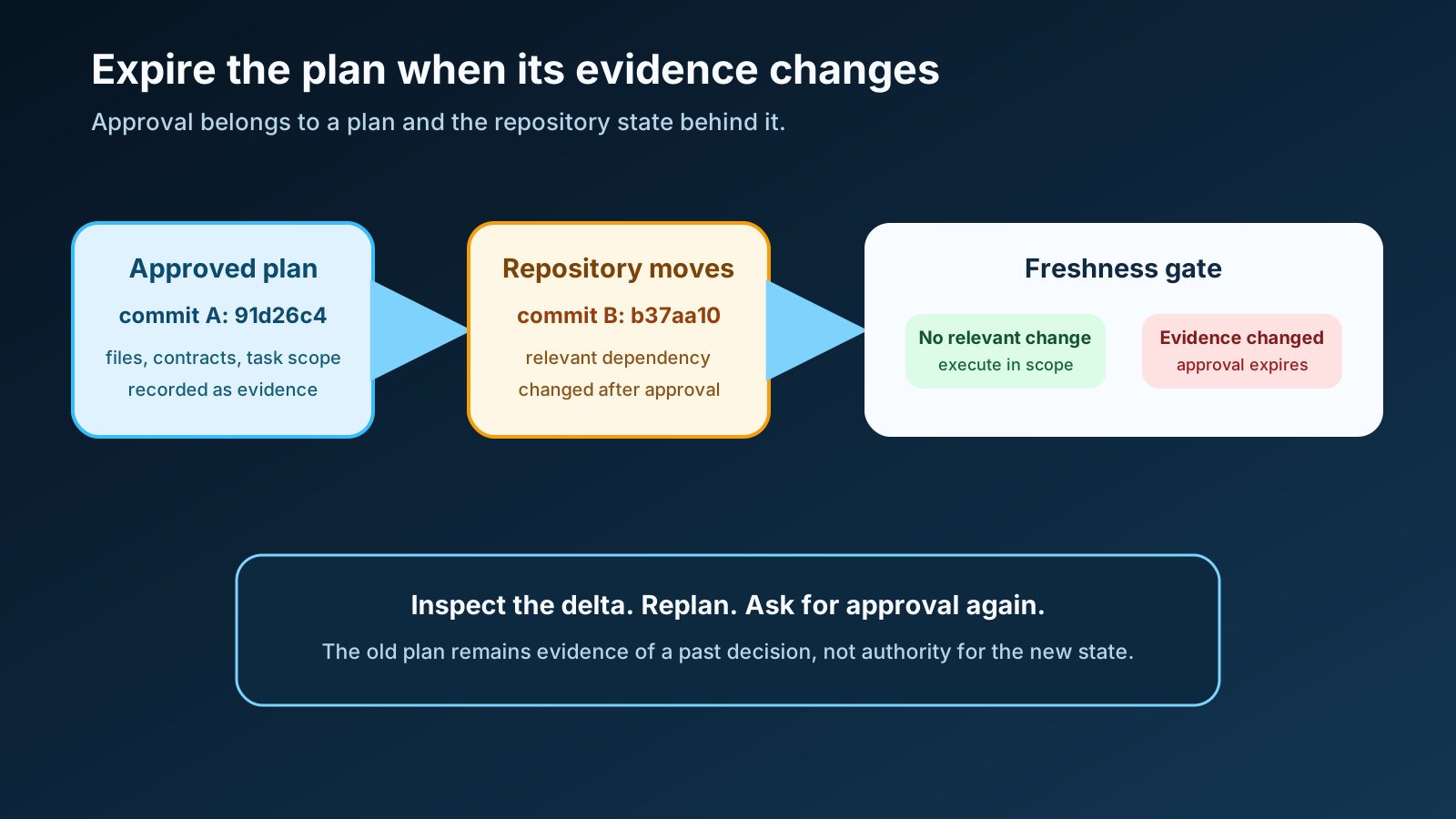
A Claude Code plan can become stale after another commit changes its assumptions. Bind approval to repository state and force a replan when the relevant boundary moves.
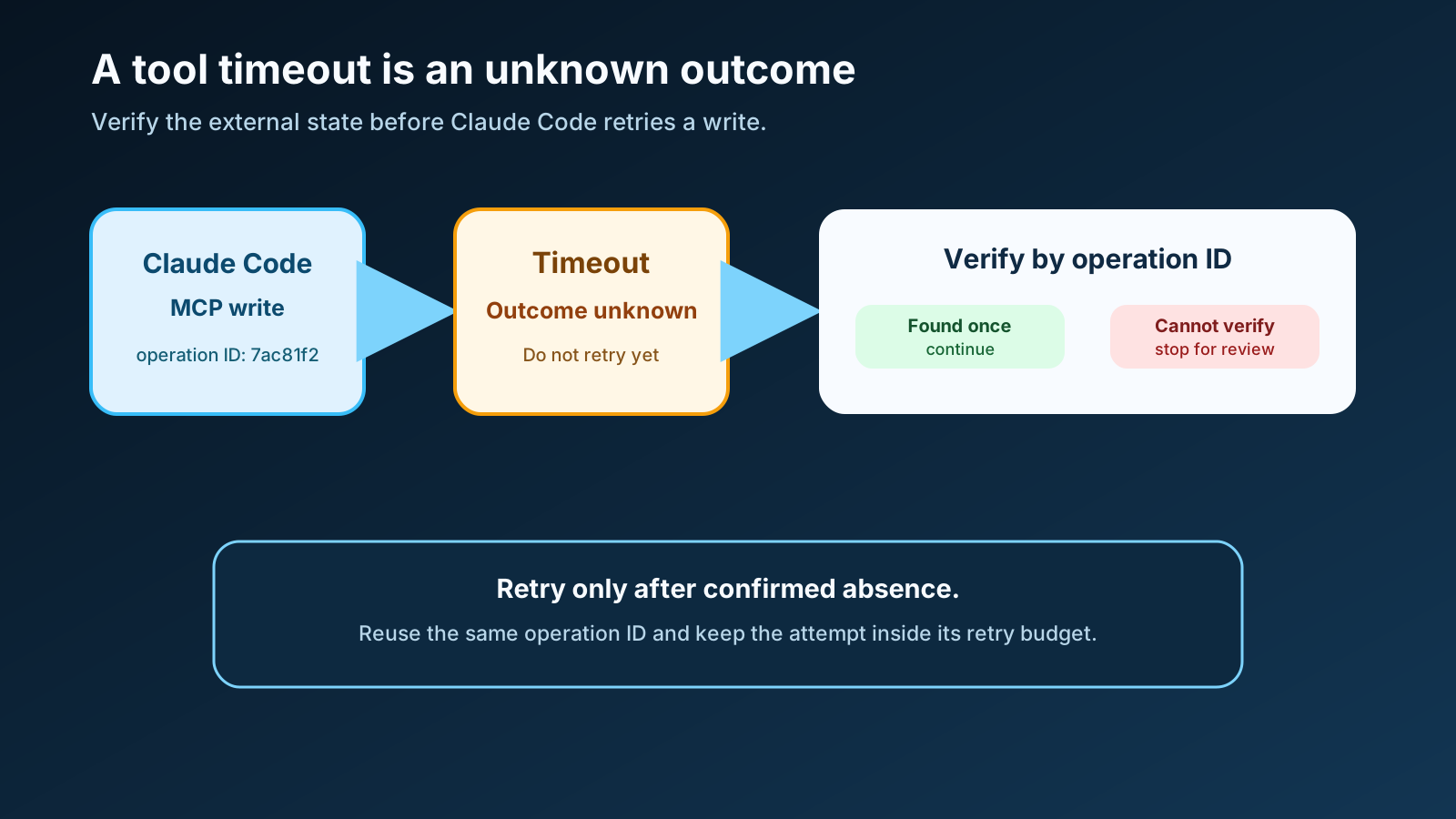
A timed-out MCP tool call may have completed after the connection closed. Verify the external result before Claude Code retries a write.
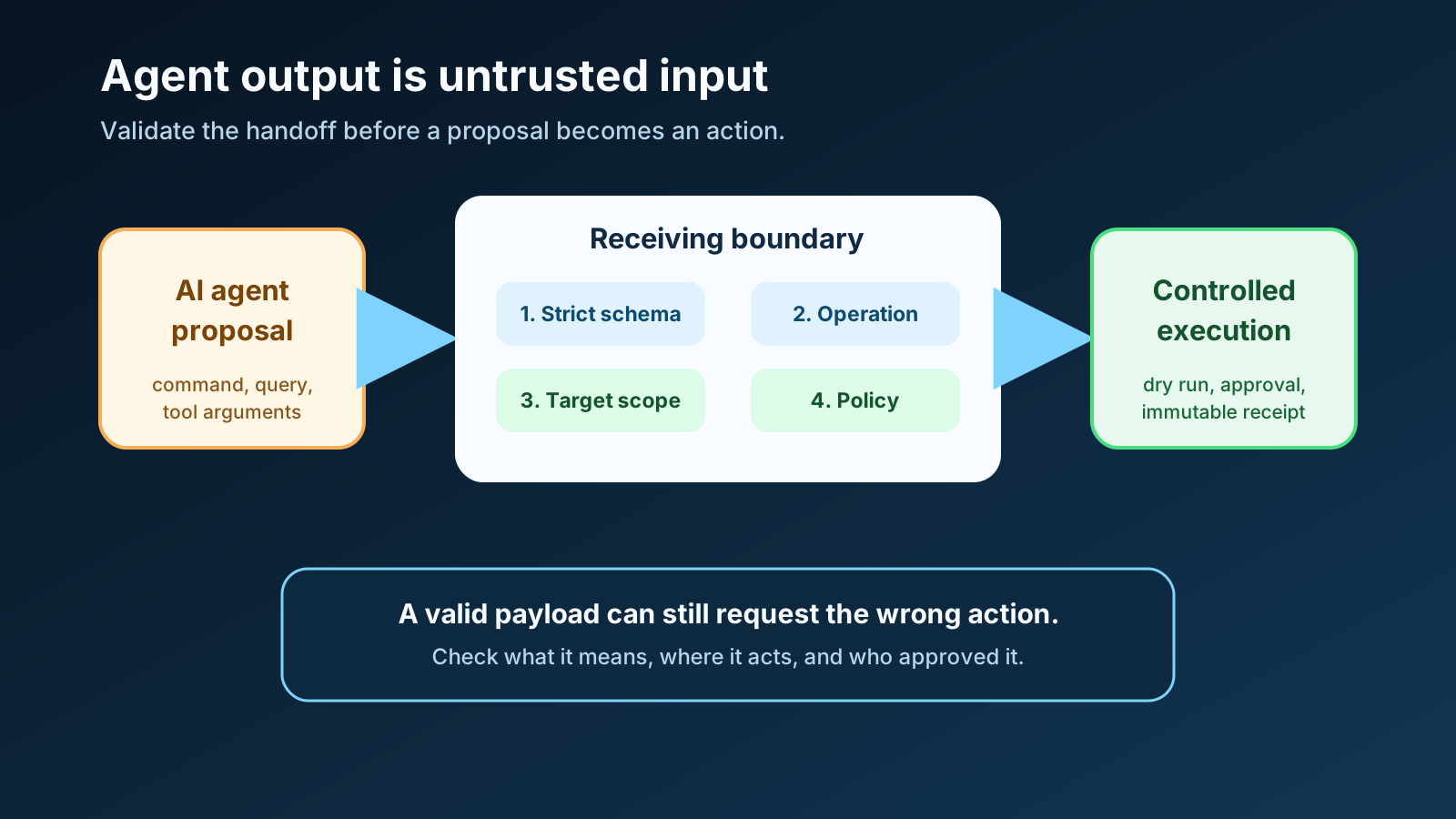
An approved AI agent can still produce a dangerous command, query, or tool argument. Validate generated output at the receiving boundary before another system acts on it.
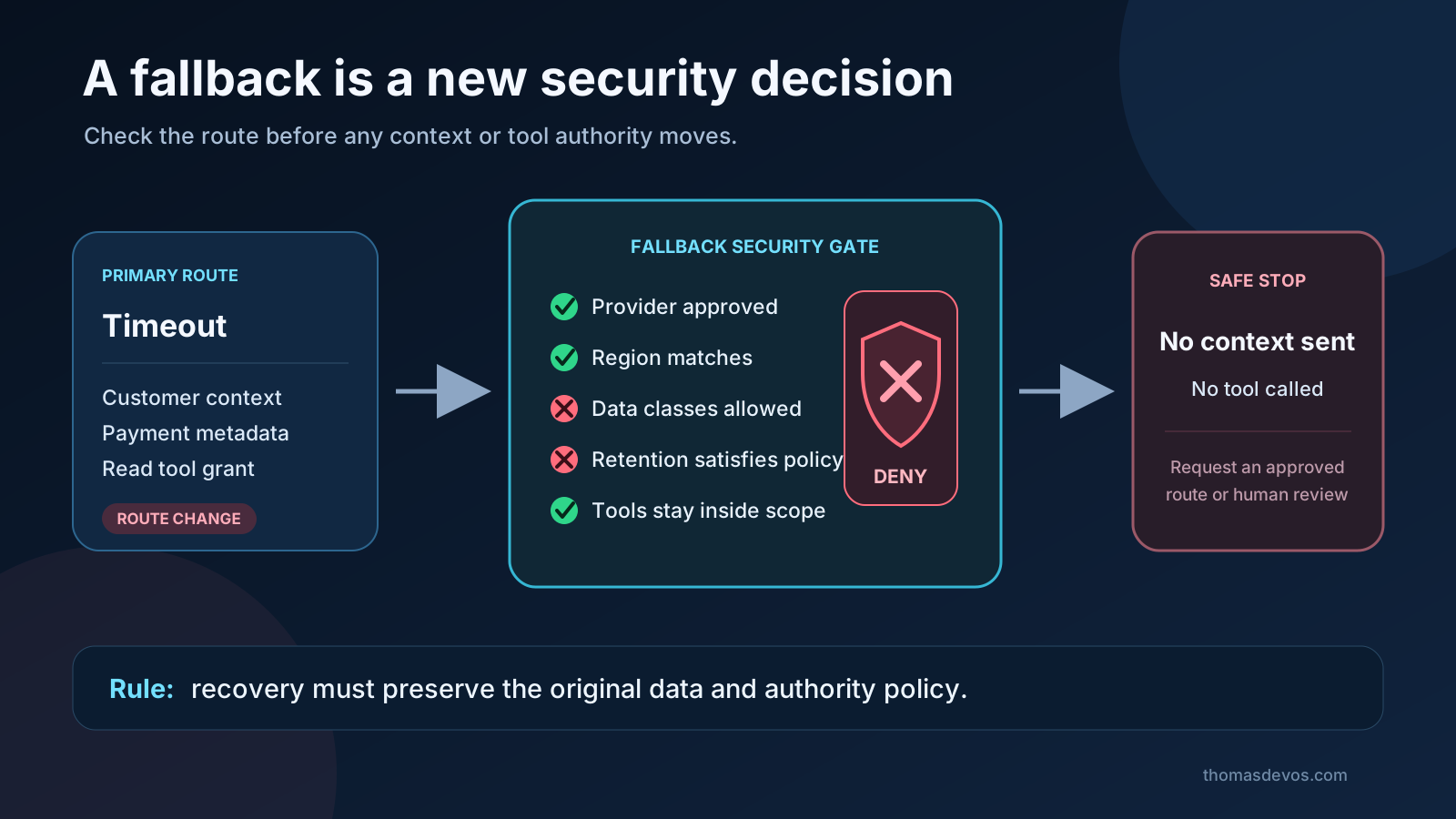
A model fallback can move prompts, retrieved data, and tool authority across a new provider or region. Treat each switch as a fresh policy decision, not a harmless retry.
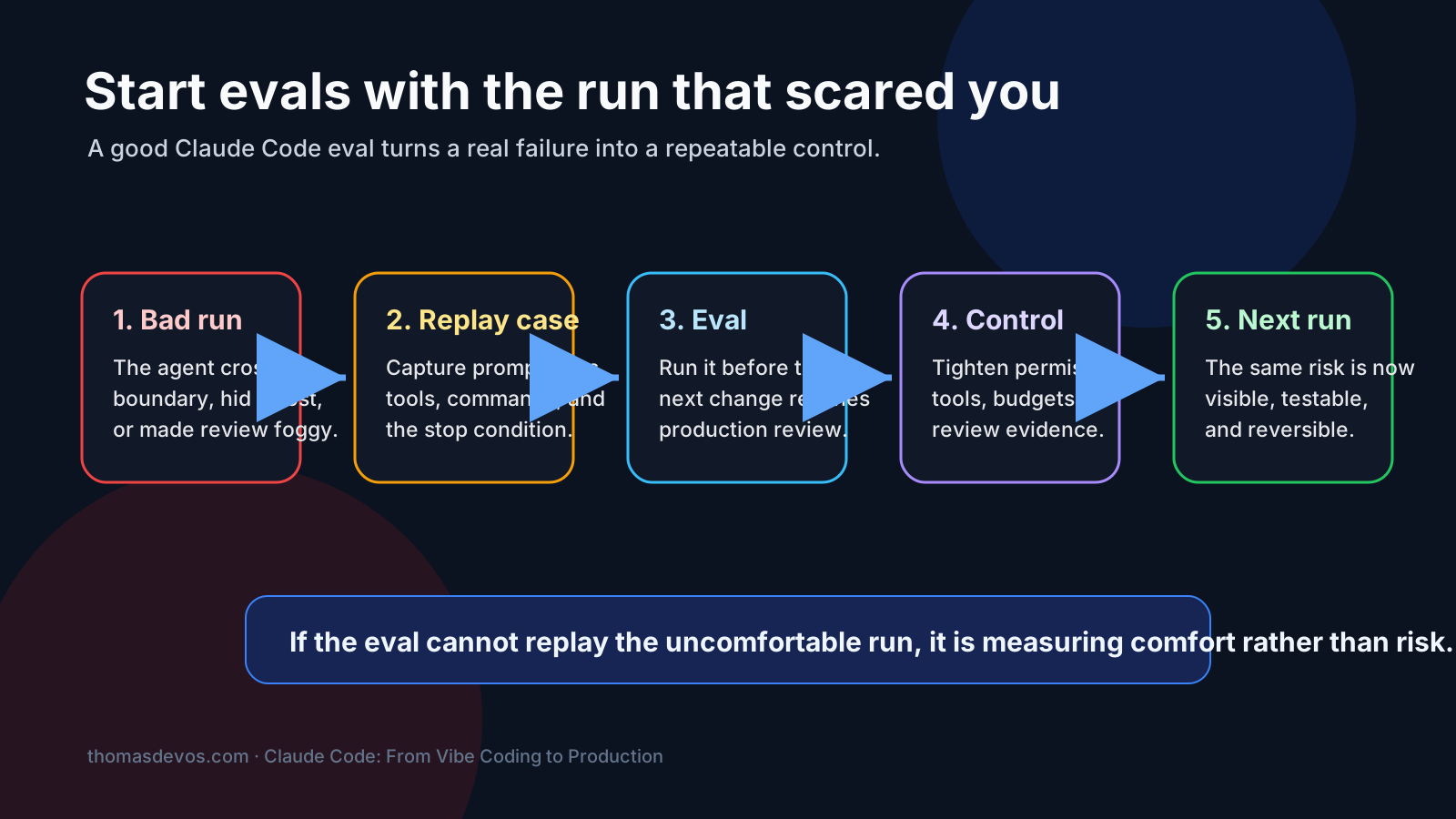
The best Claude Code eval is not a tidy benchmark. It is the uncomfortable run your team does not want to repeat, captured as a replayable production control.