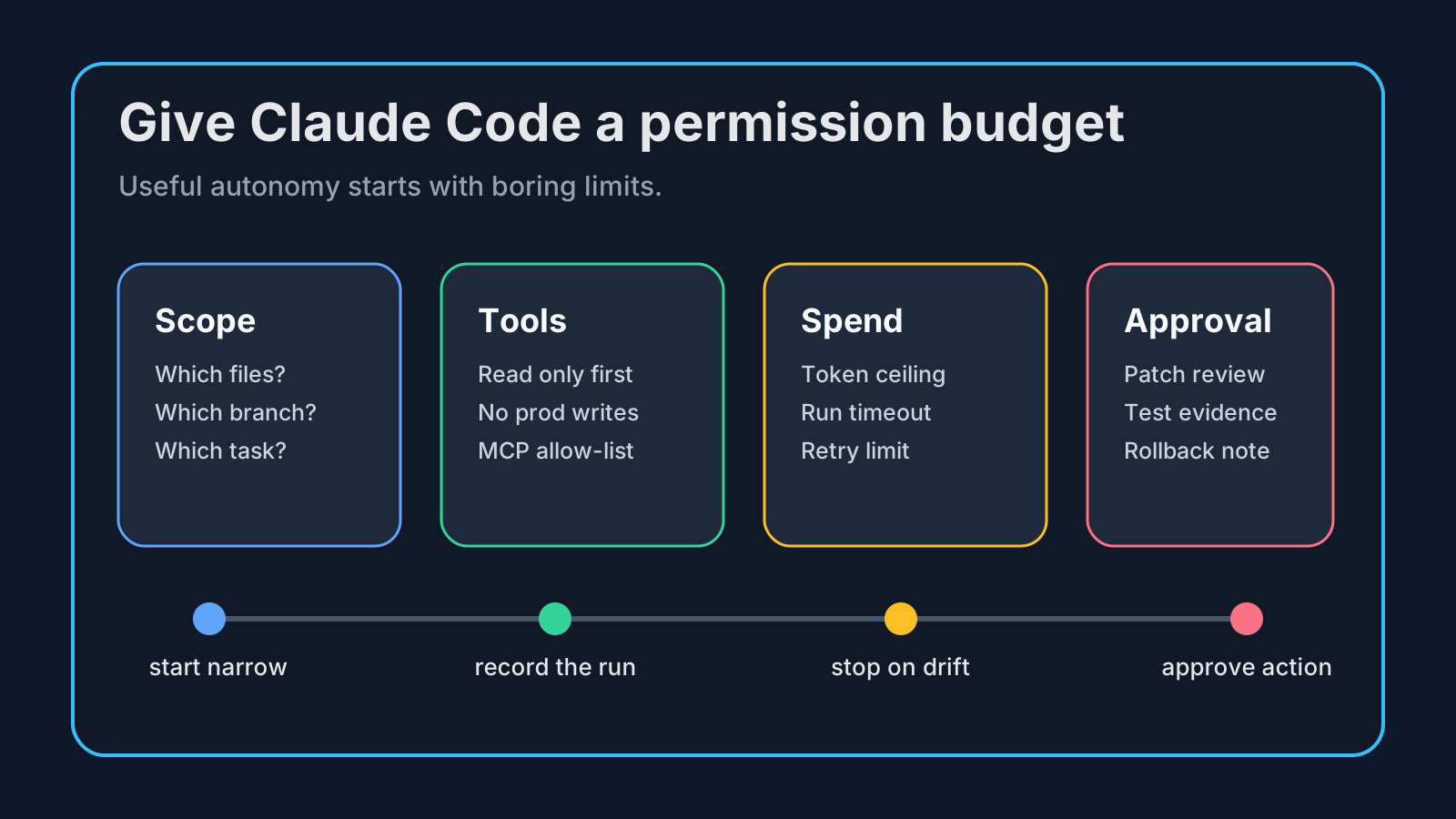
Claude Code needs a permission budget
Before giving Claude Code wider access, define what each run may read, edit, call, spend, and merge. A permission budget keeps agent speed inside a reviewable boundary.
Topic archive
26 essays tagged LLMOps. Practical notes on what happens after the demo: prompts, tools, review packets, evals, rollback, and production ownership.
Before giving Claude Code wider access, define what each run may read, edit, call, spend, and merge. A permission budget keeps agent speed inside a reviewable boundary.
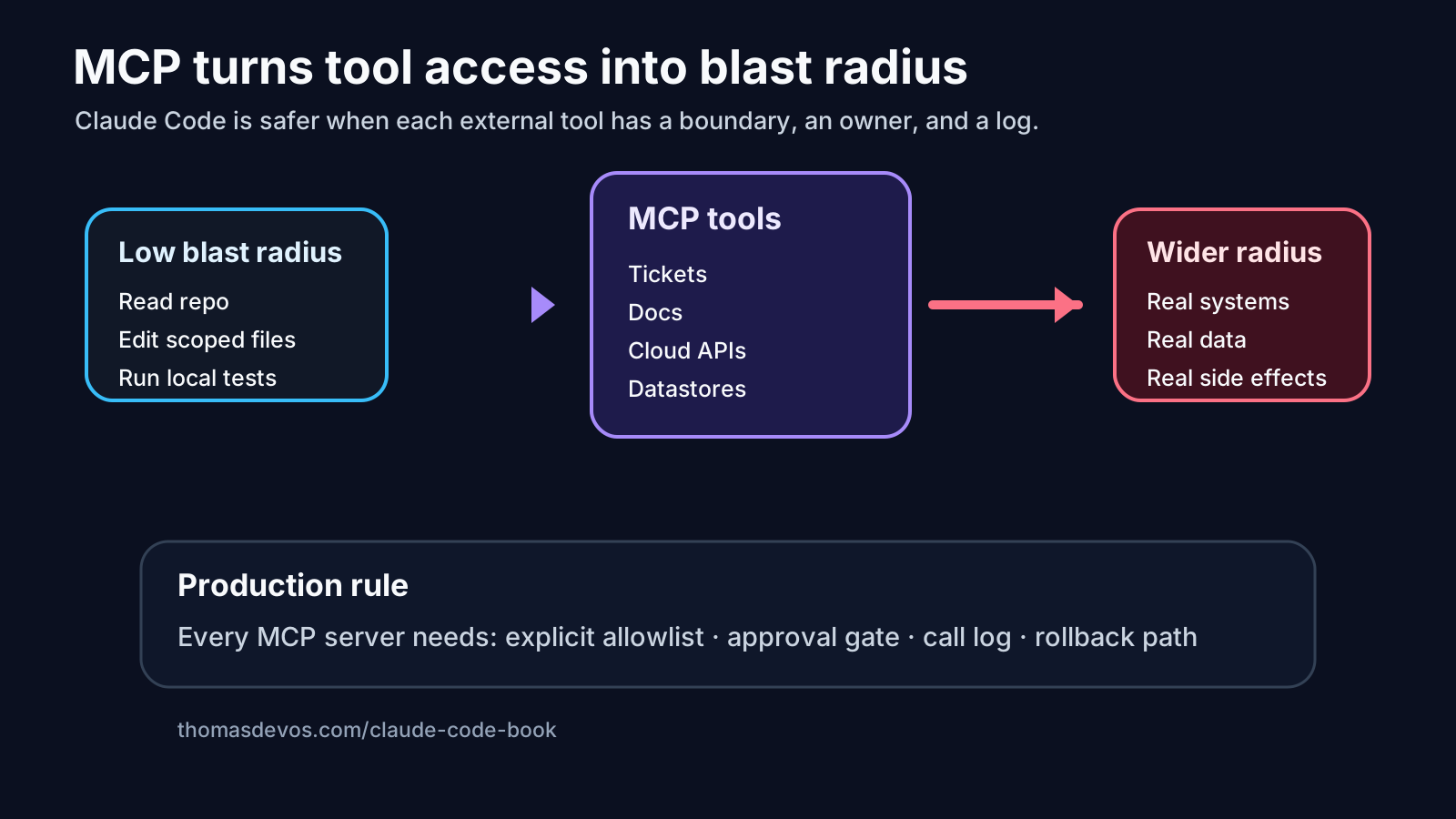
MCP tools make Claude Code far more useful, but broad access turns a weak prompt into a production risk. Treat every tool as blast radius, not convenience.
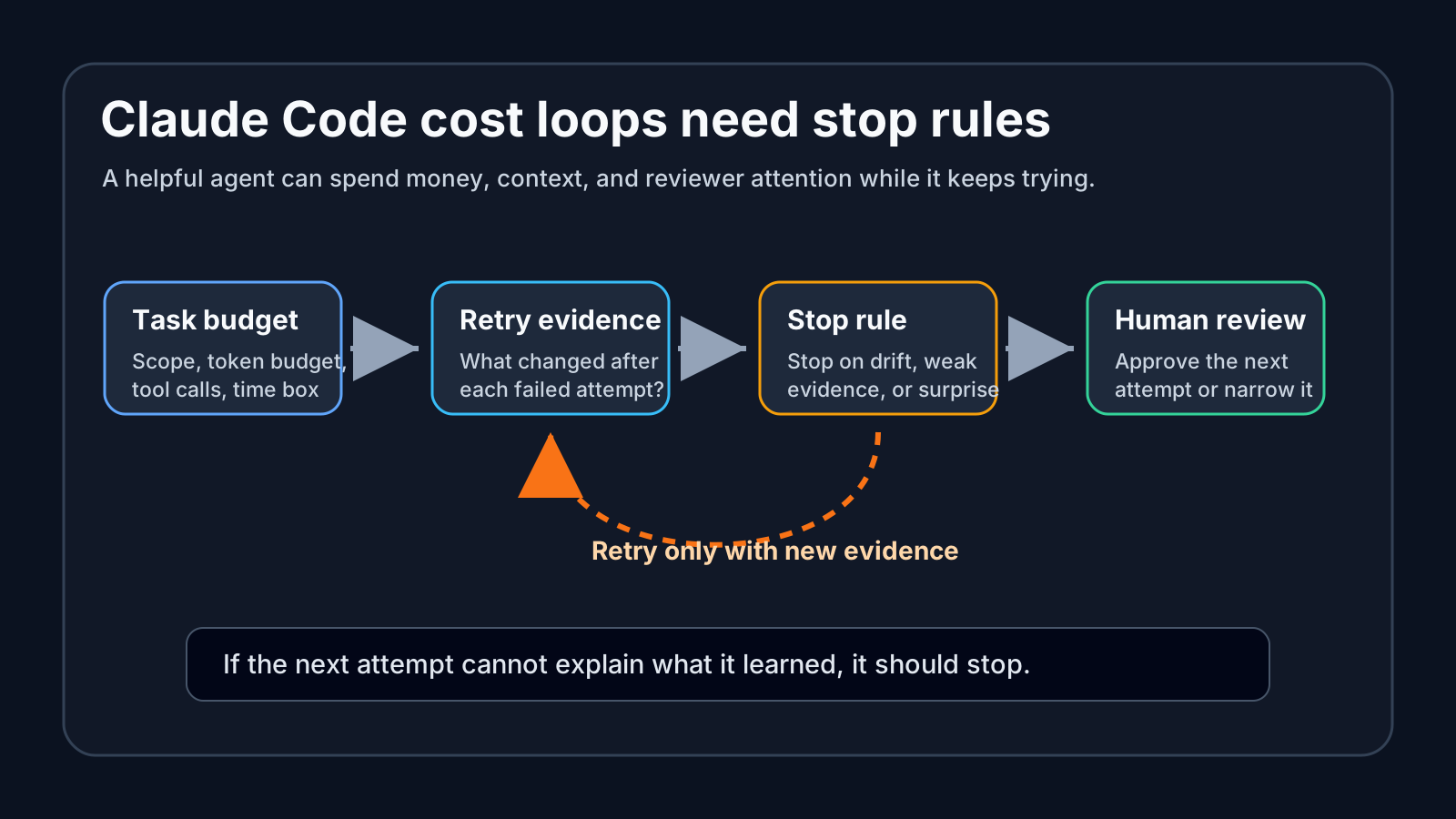
Claude Code can waste more than tokens when it keeps retrying a weak task. Production teams need budgets, stop rules, and evidence before another agent attempt is allowed.
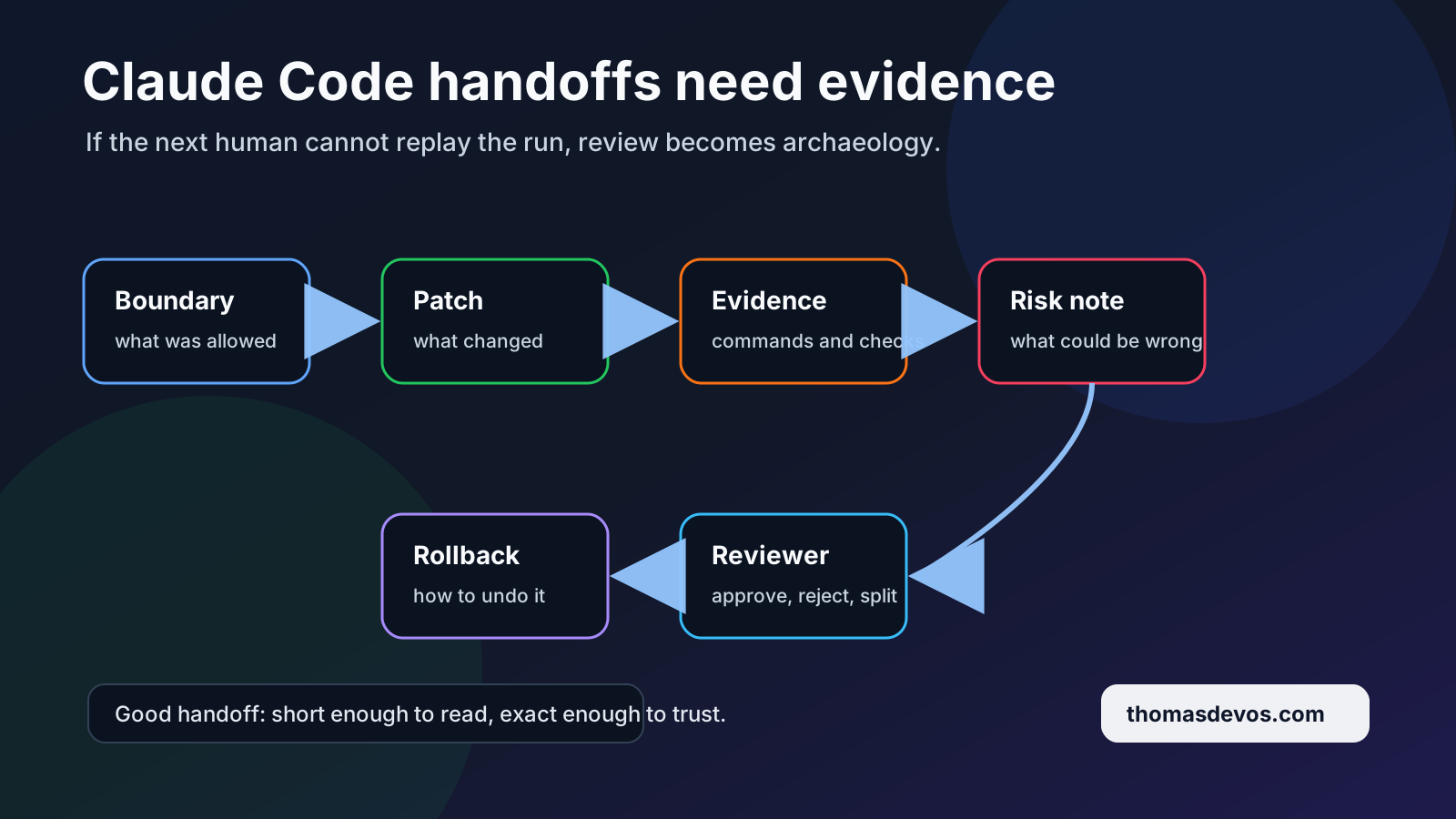
Claude Code can produce a working patch and still leave the next human with a weak handoff. Production teams need run records that show scope, evidence, risk, and rollback before review turns into archaeology.
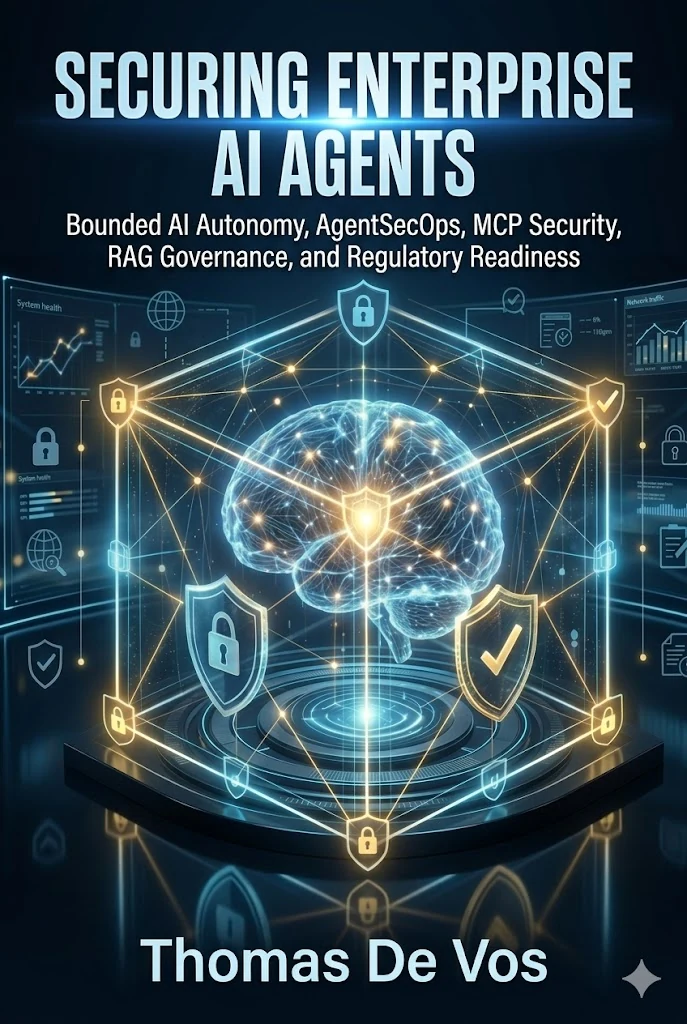
I published Securing Enterprise AI Agents, a practical book on bounded AI autonomy, AgentSecOps, MCP security, RAG governance, identity, evals, policy, and evidence.
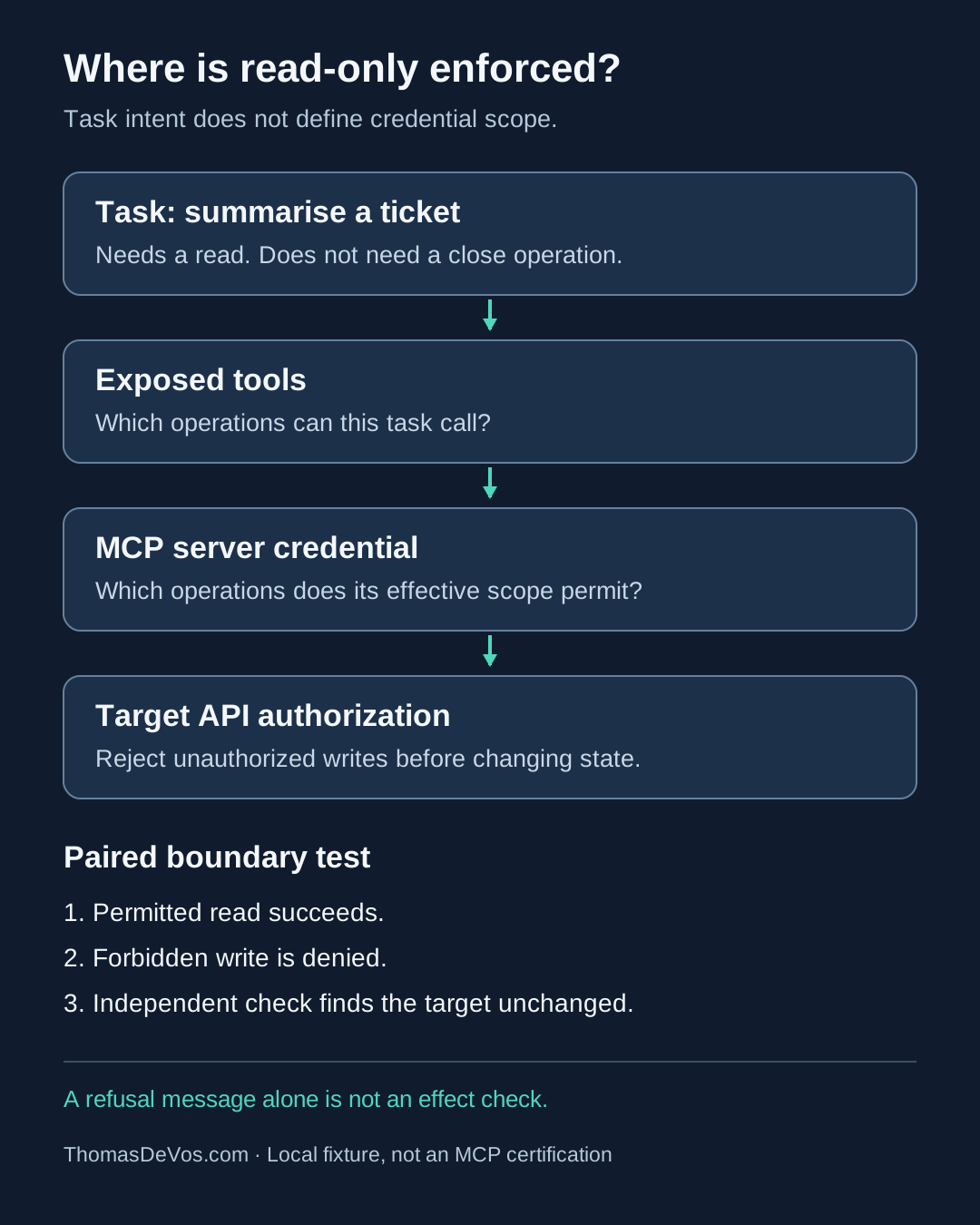
A ticket-summary task needs read access. Test whether tool exposure and credential scope actually prevent writes, with an executable fixture and a review record.
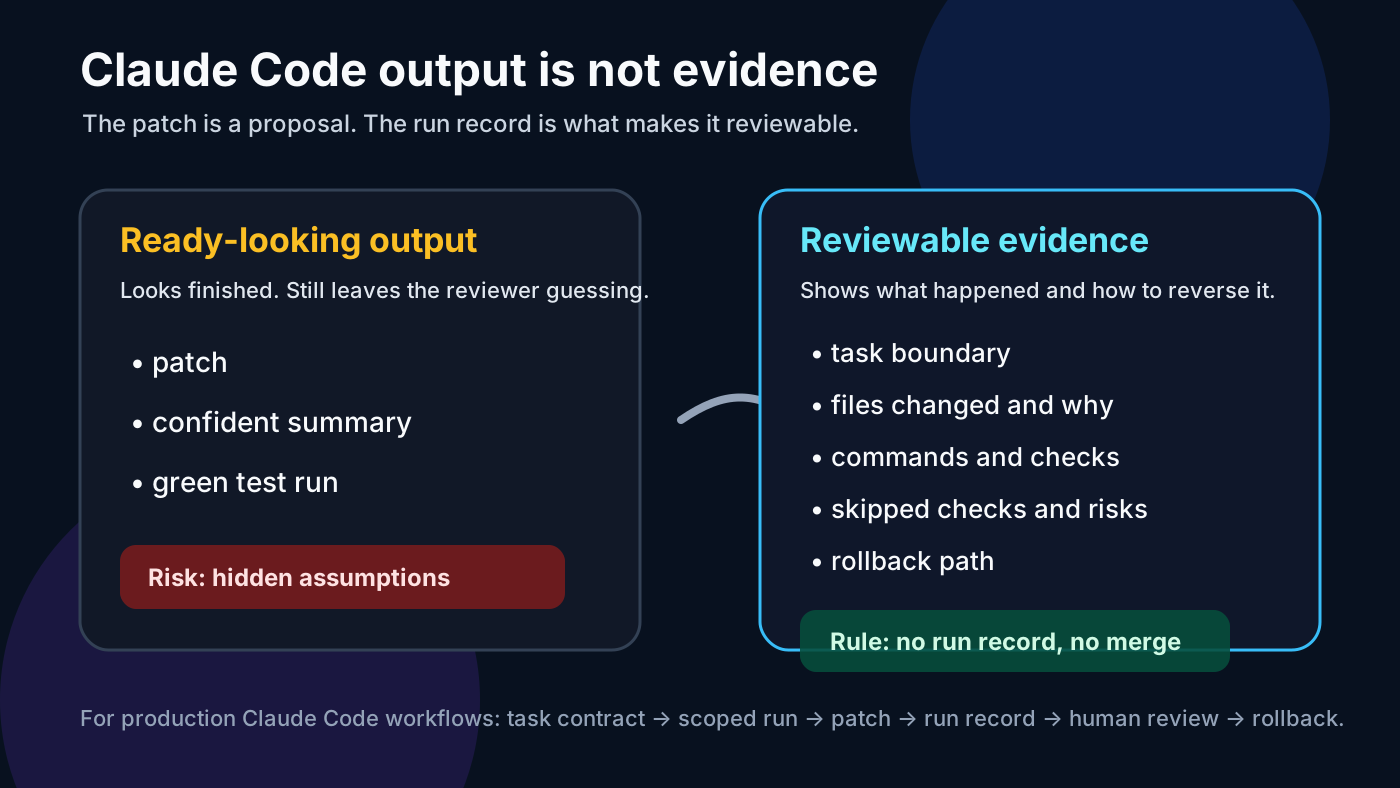
Claude Code patches can look ready before they are reviewable. Production teams need a run record with task boundaries, commands, checks, risks, and rollback notes.
Claude Code gets safer when permissions are treated like a budget: scoped files, allowed tools, spend limits, stop rules, review packets, and rollback notes before wider autonomy.
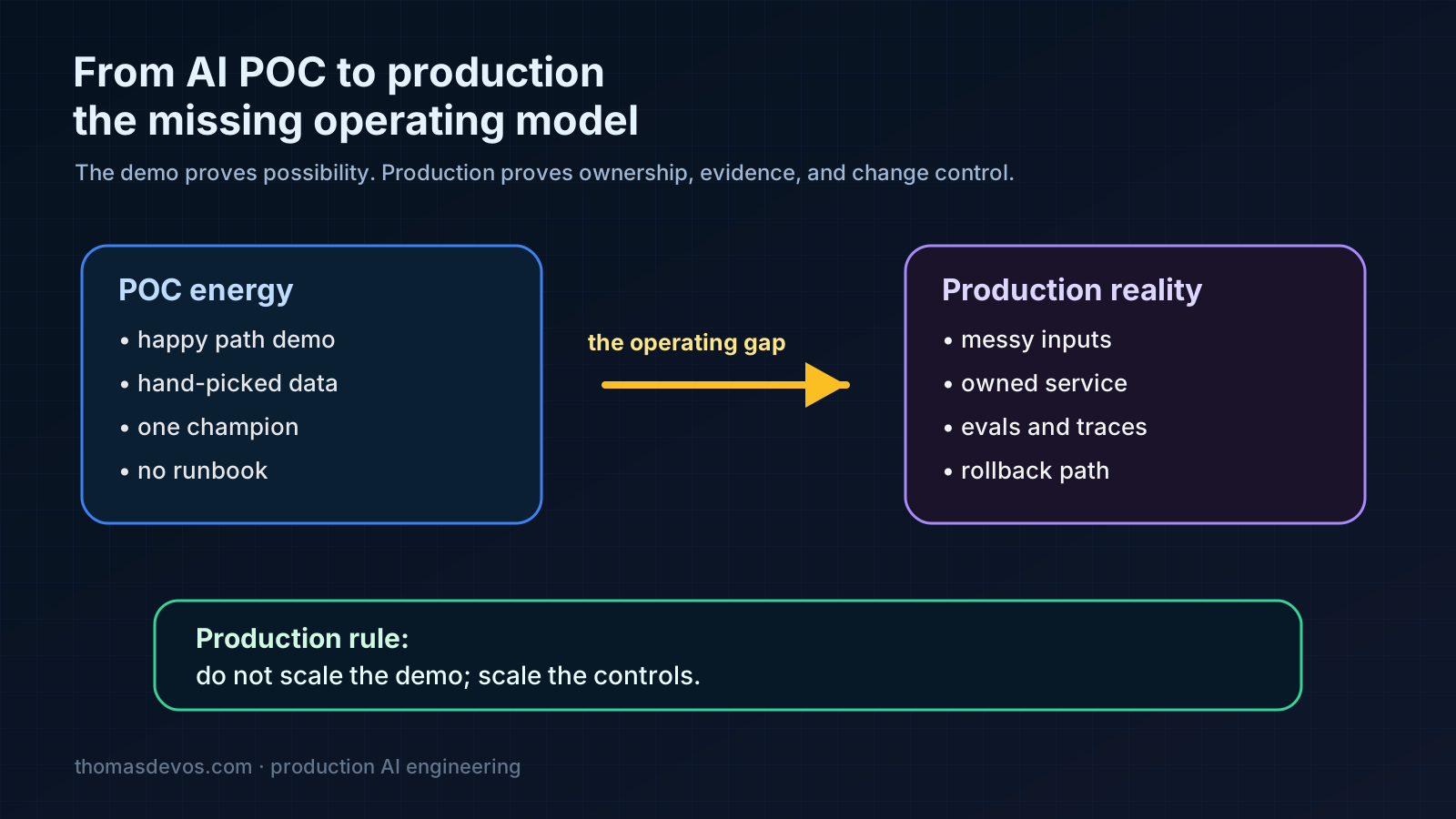
The AI POC is not the hard part anymore. The hard part is turning a promising demo into a service with ownership, evals, traces, cost controls, and a rollback path.
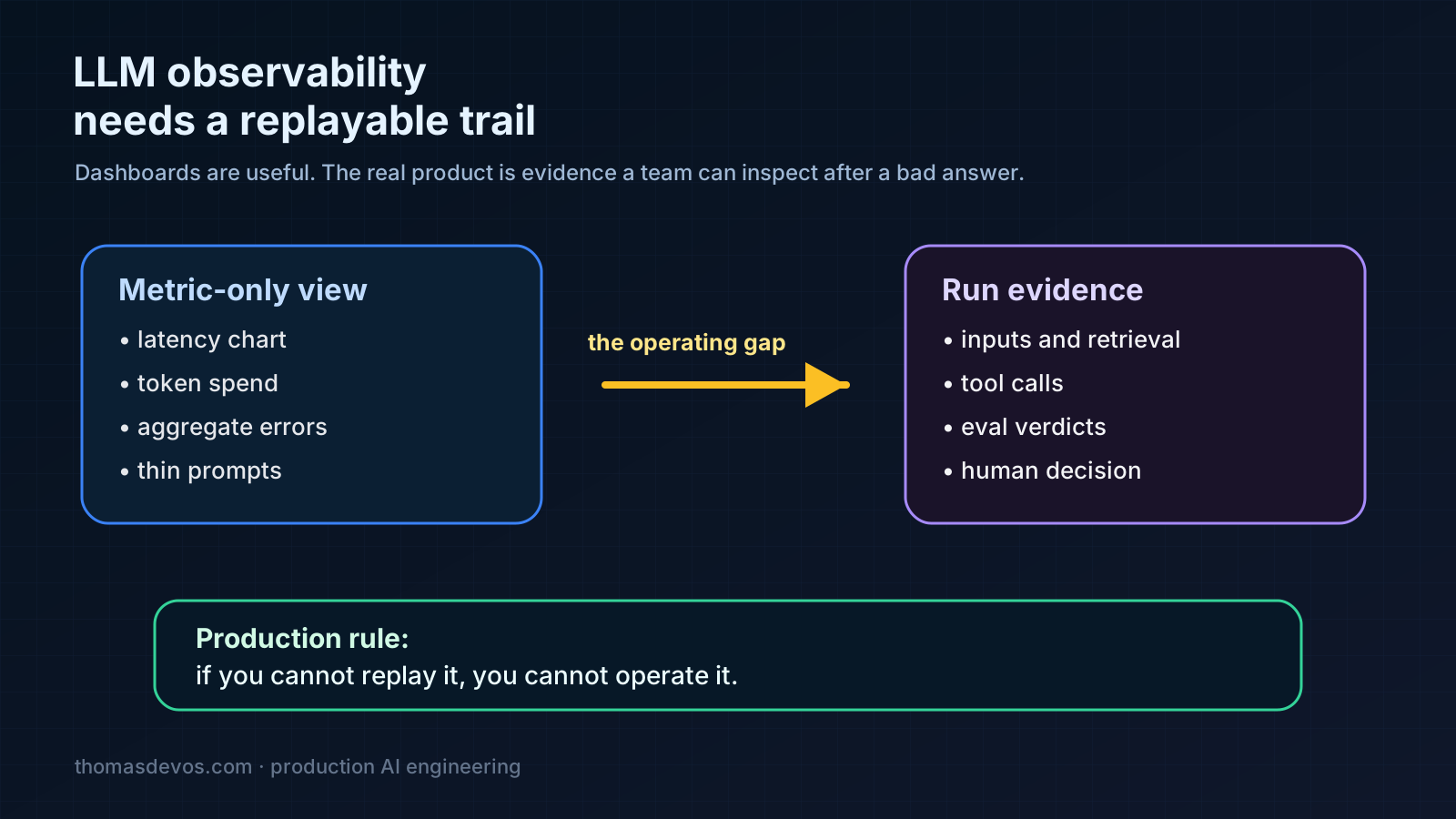
A latency chart will not explain why an AI answer was wrong. Production LLM systems need traces, sources, tool calls, prompt versions, eval results, and human decisions.