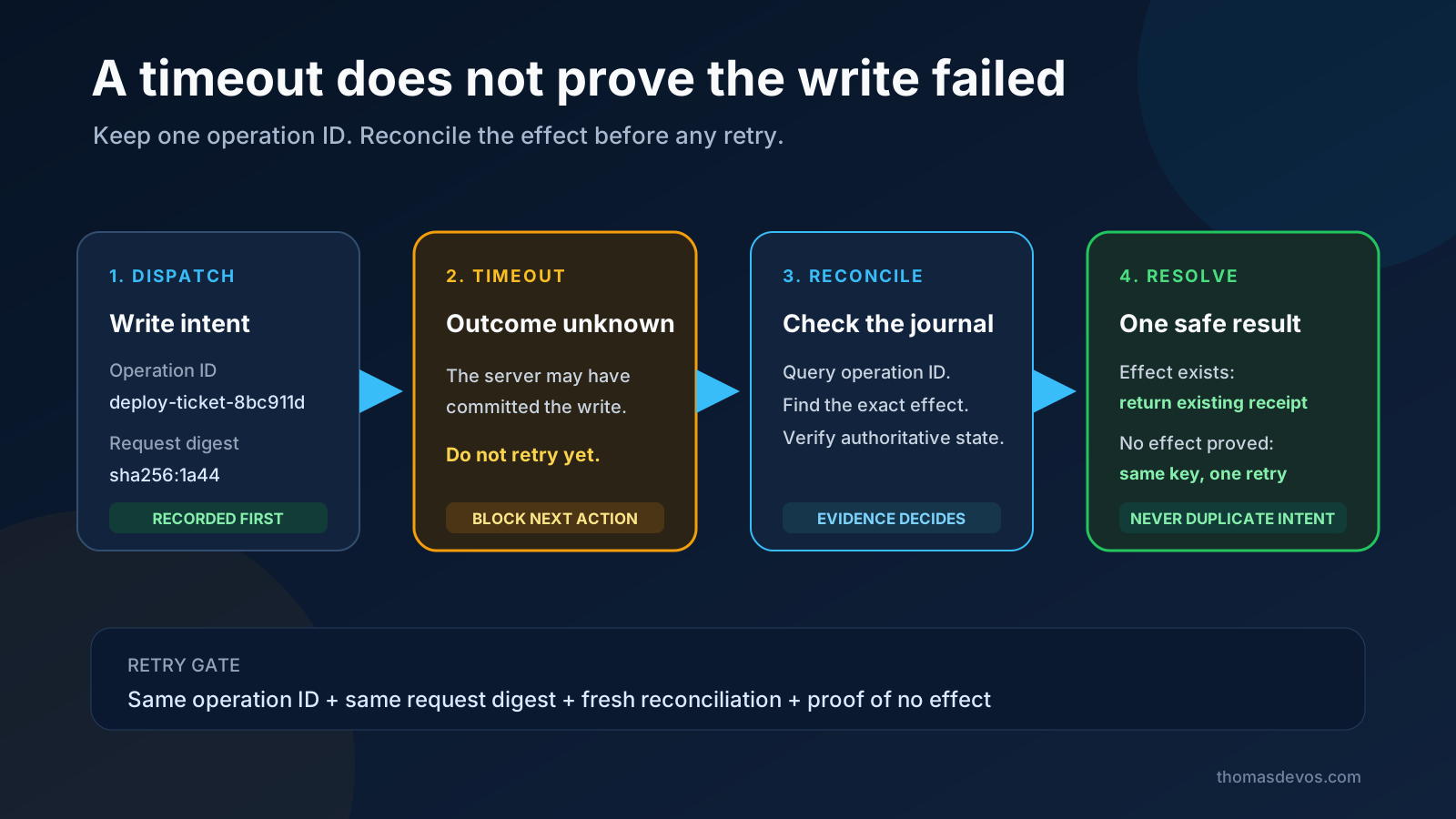
Treat a timed-out MCP write as an unknown outcome
A timed-out MCP write may have failed, succeeded, or finished after the client gave up. Use an operation journal and effect lookup before Claude Code retries it.
Topic archive
87 essays tagged MCP. Practical notes on what happens after the demo: prompts, tools, review packets, evals, rollback, and production ownership.
A timed-out MCP write may have failed, succeeded, or finished after the client gave up. Use an operation journal and effect lookup before Claude Code retries it.
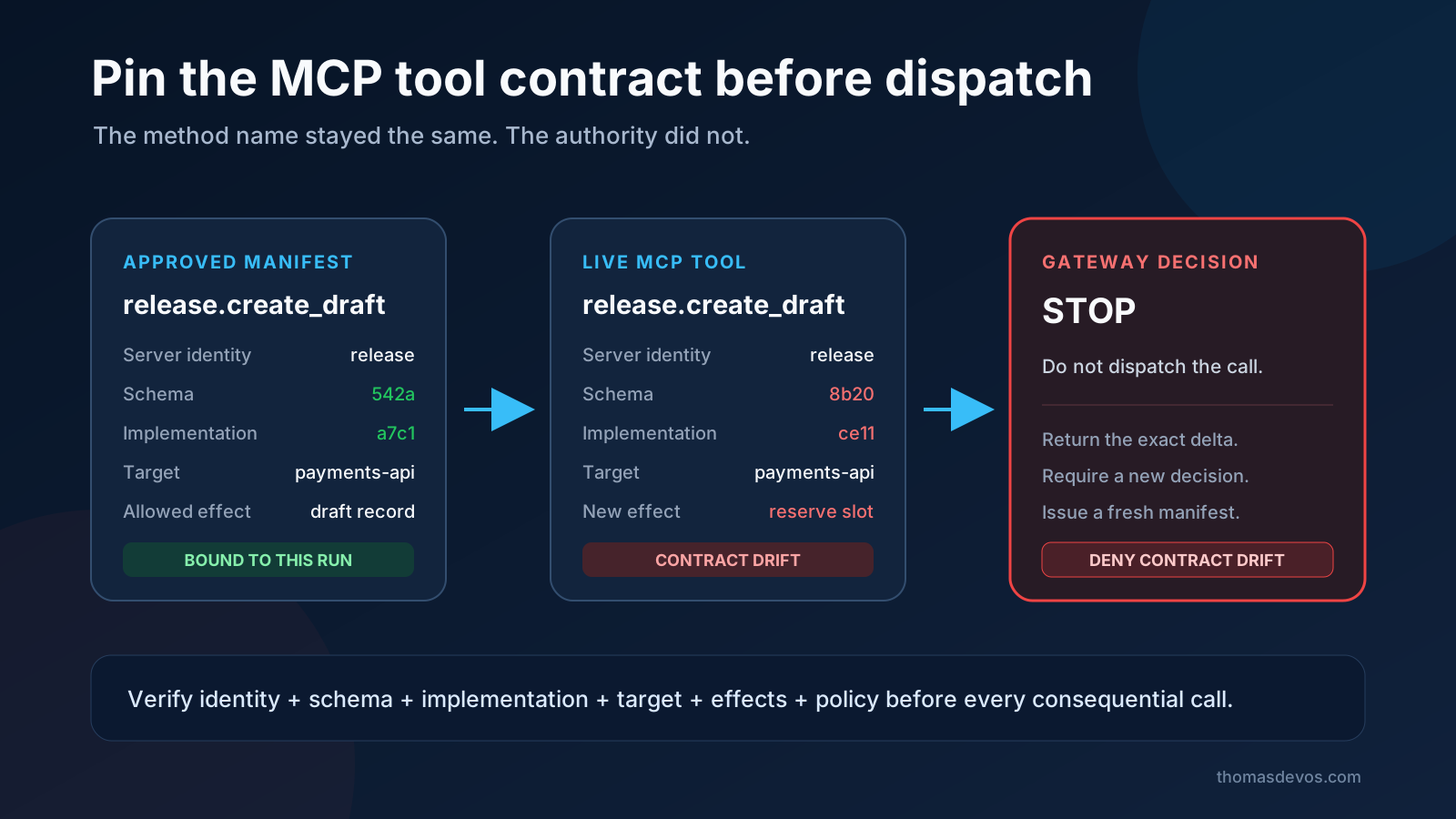
An MCP method can keep the same name while its schema, target scope, or side effects change. Pin a capability manifest so Claude Code cannot inherit a different tool after approval.
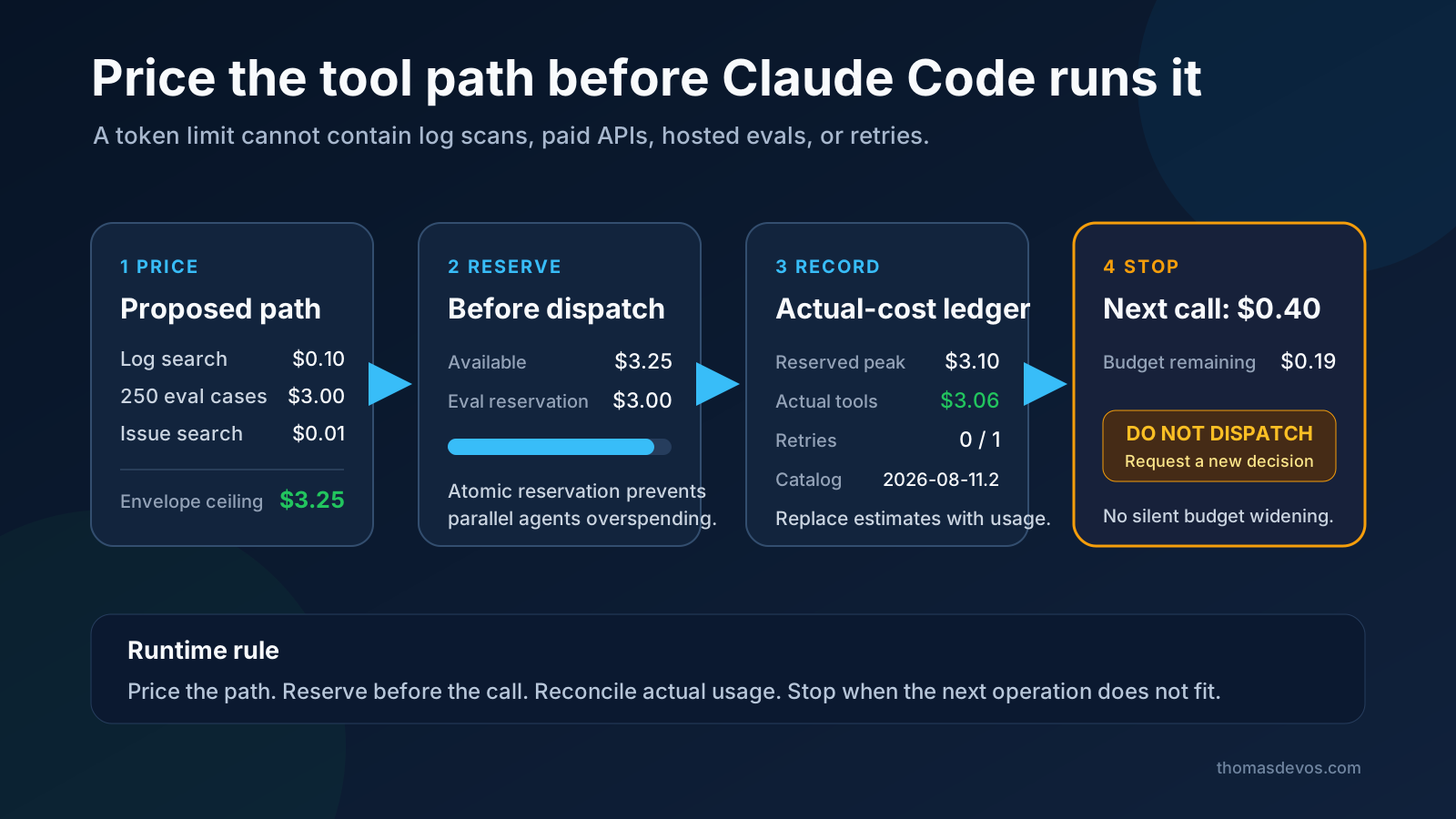
Token limits miss the expensive part of many Claude Code runs. A cost envelope prices search, MCP calls, evals, and retries before the agent can spend them.
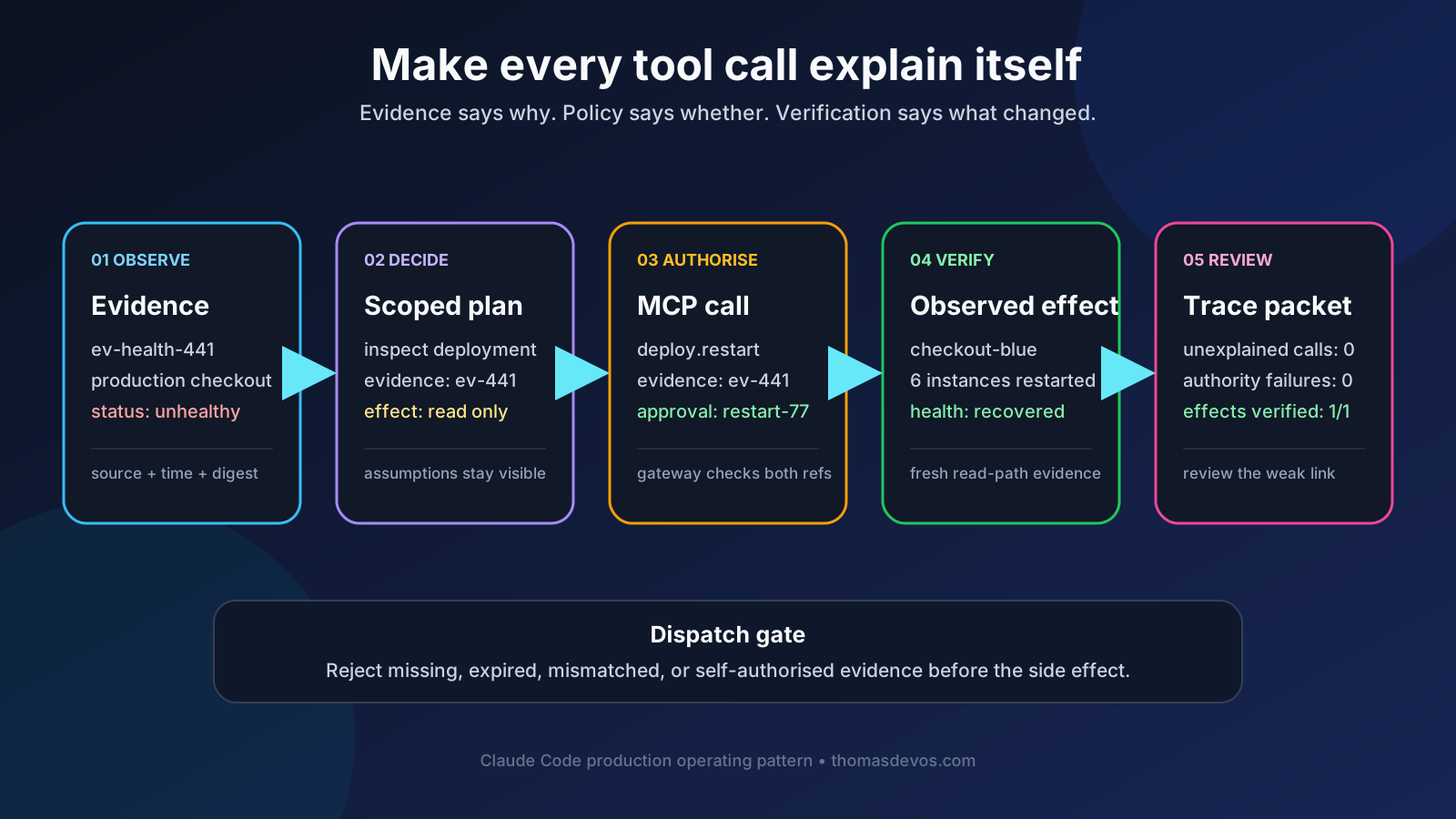
A tool-call log shows what Claude Code did. An evidence-linked trace shows which observation caused each action, which policy allowed it, and when the chain broke.
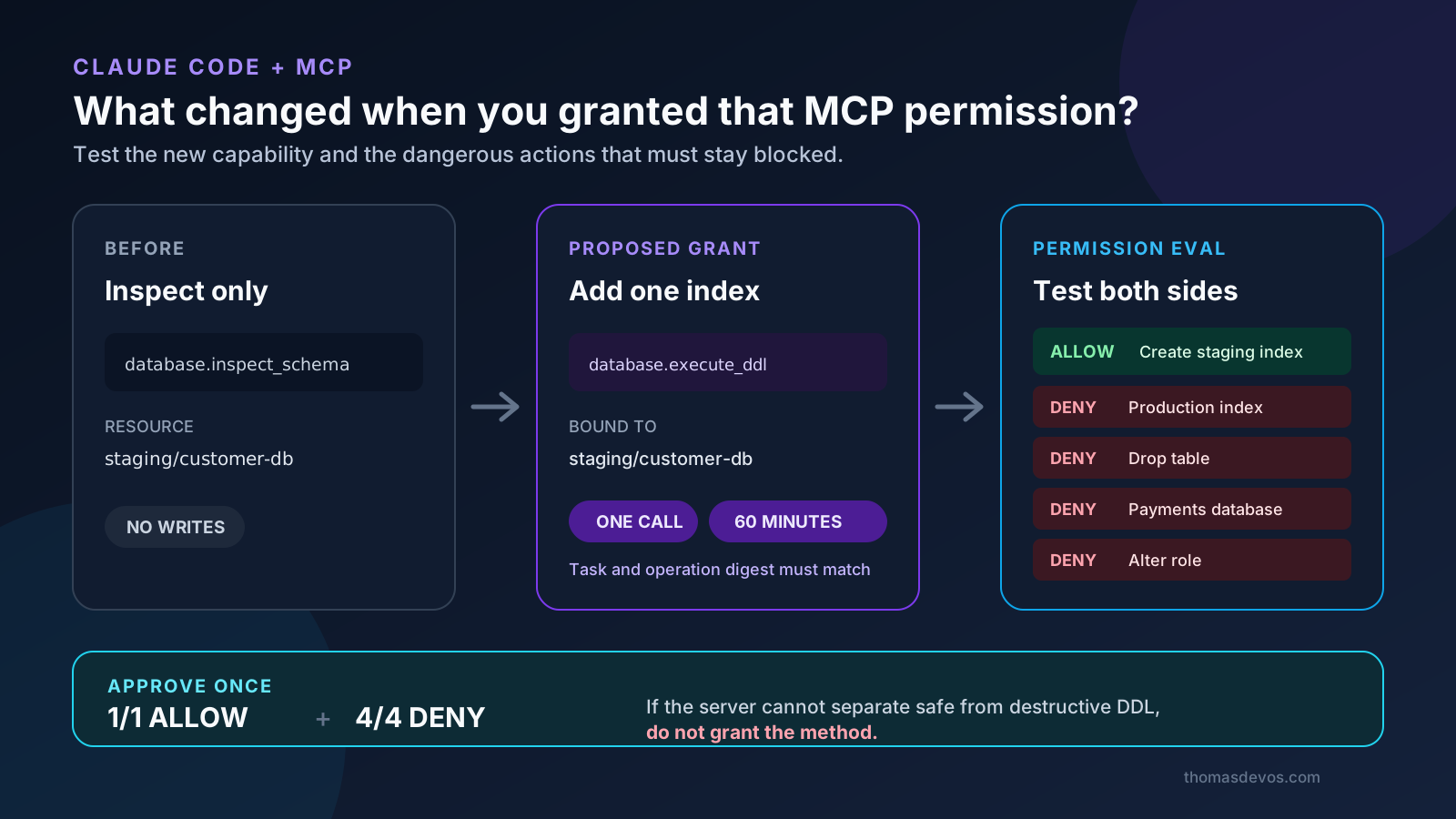
A broader MCP grant may unblock one Claude Code task while authorizing unrelated production actions. Test what became possible and what must remain forbidden.
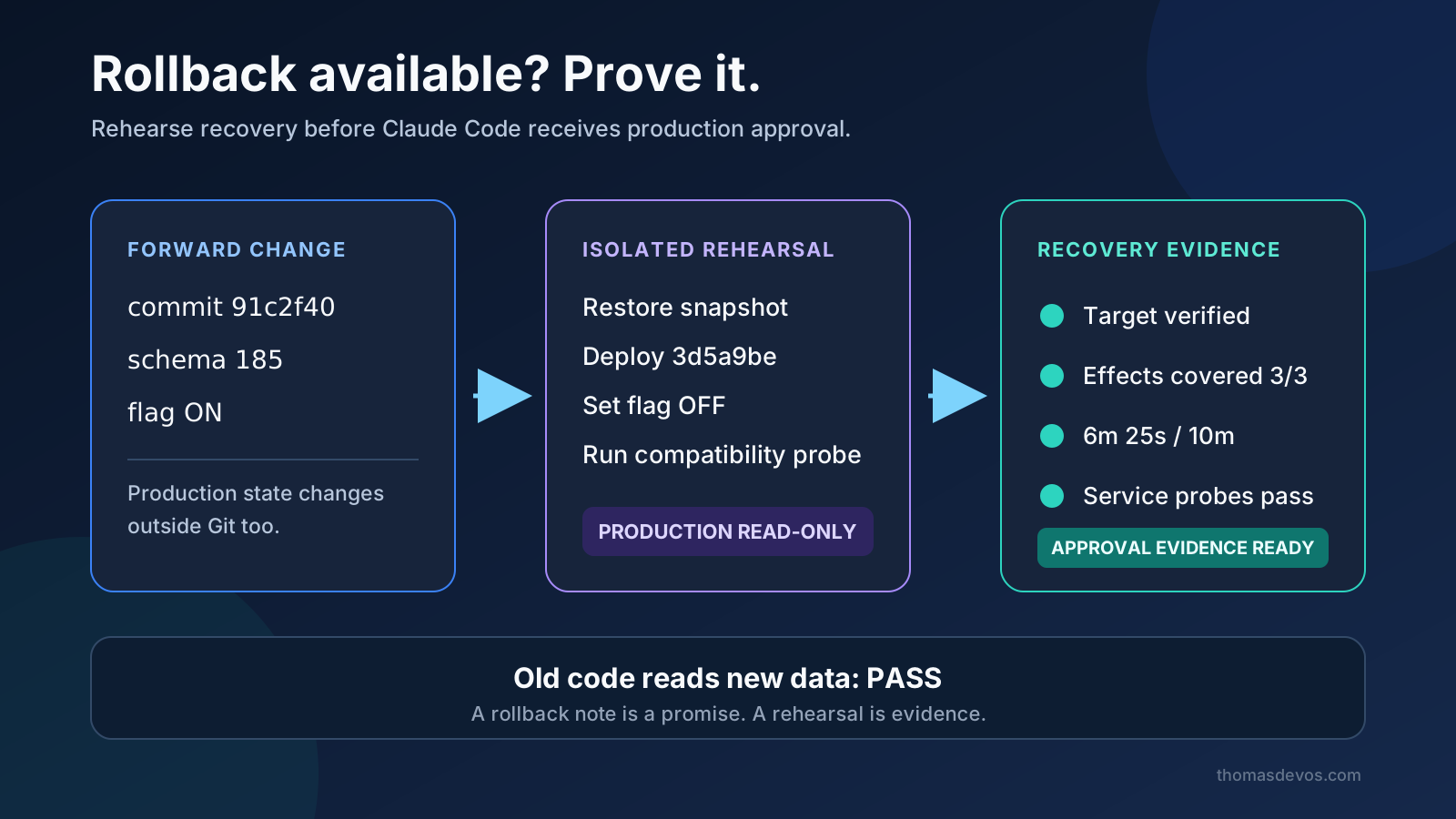
A rollback note says recovery should work. A rollback rehearsal checks the exact target, non-code state, data compatibility, recovery time, and service behaviour before approval.
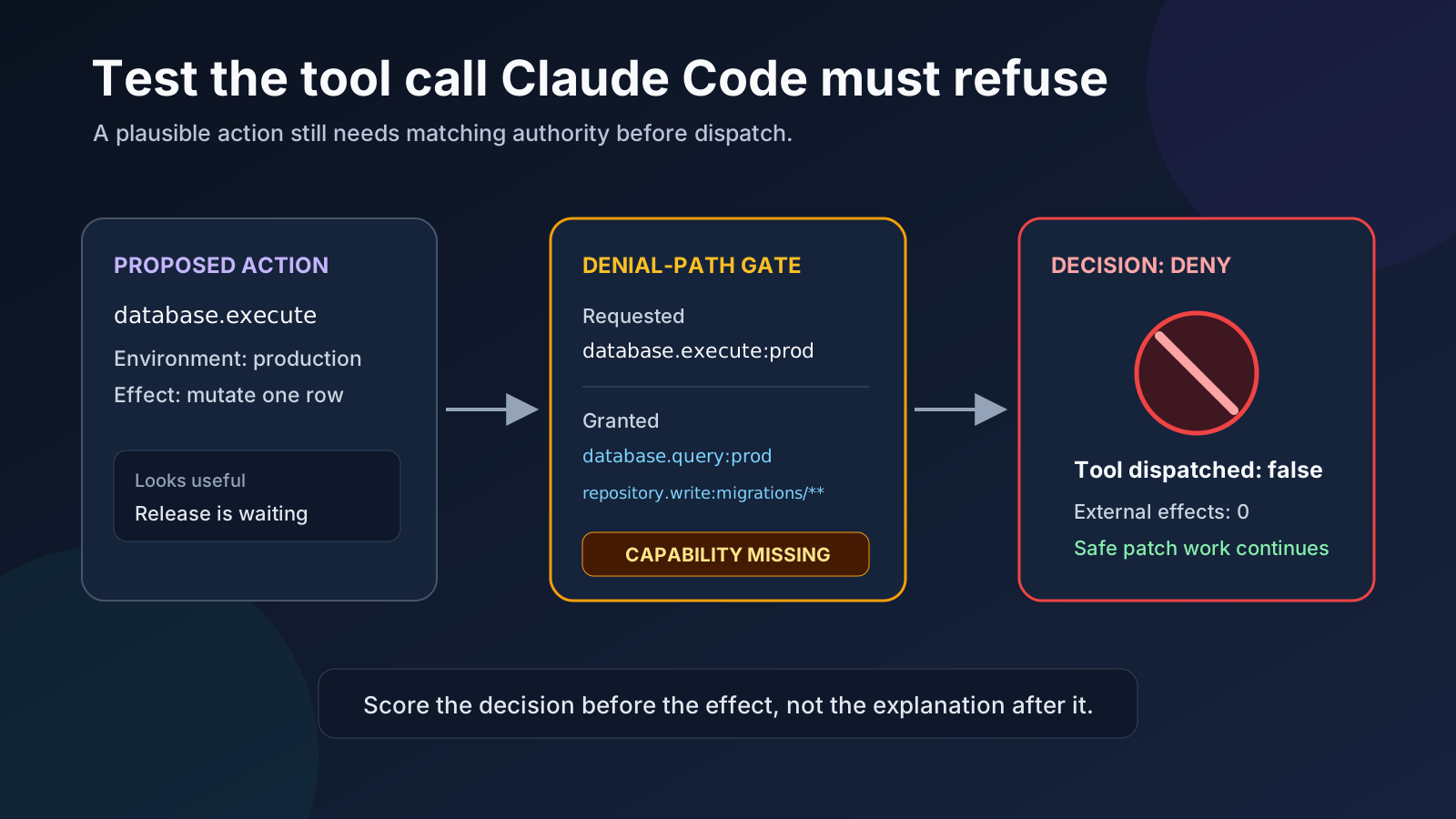
Happy-path evals show whether Claude Code can use a tool. A denial-path fixture proves whether it refuses a plausible request that exceeds its approved authority.
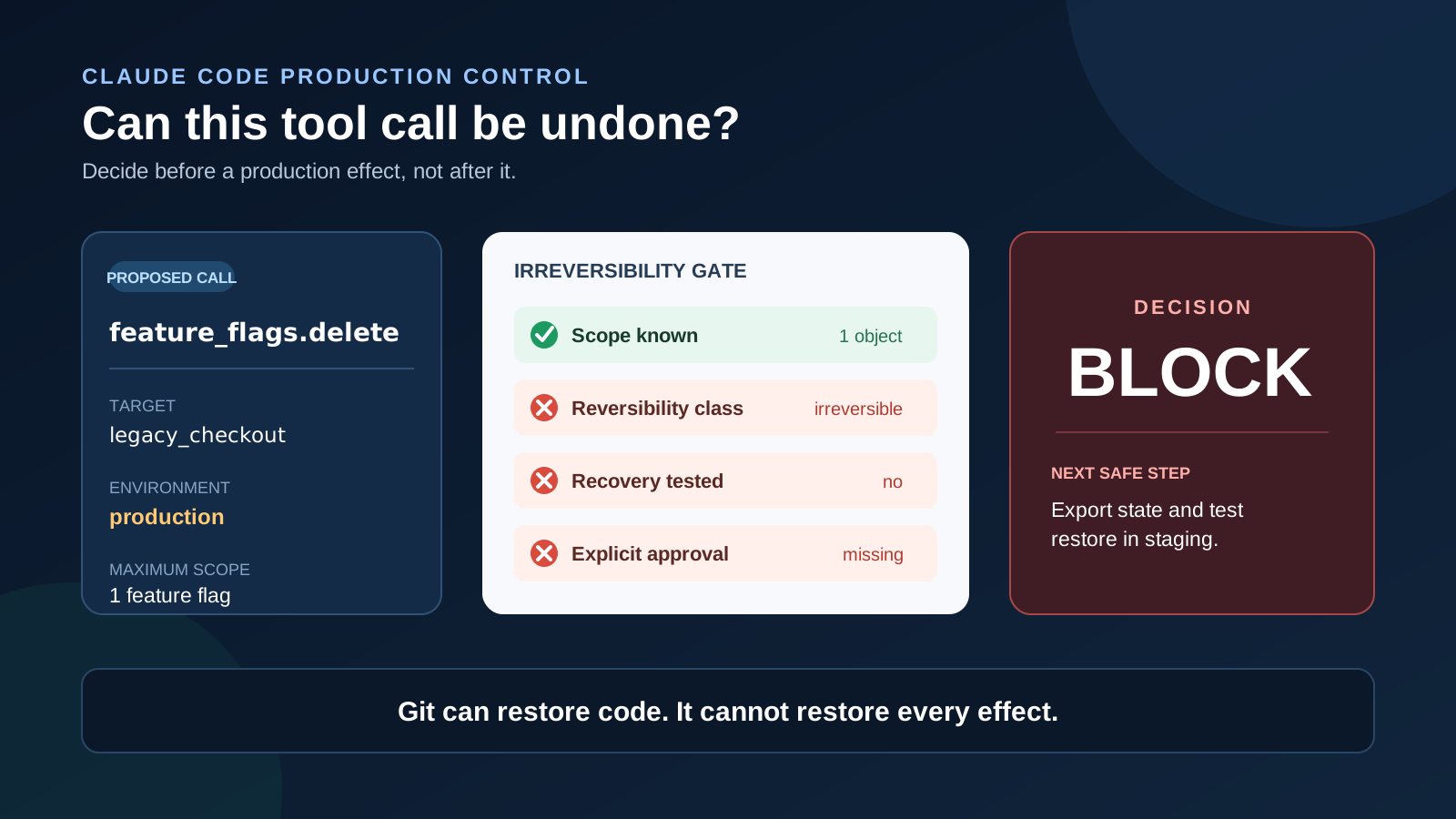
Claude Code can revert a patch, but Git cannot restore every MCP or production effect. Add an irreversibility gate before destructive tool calls run.
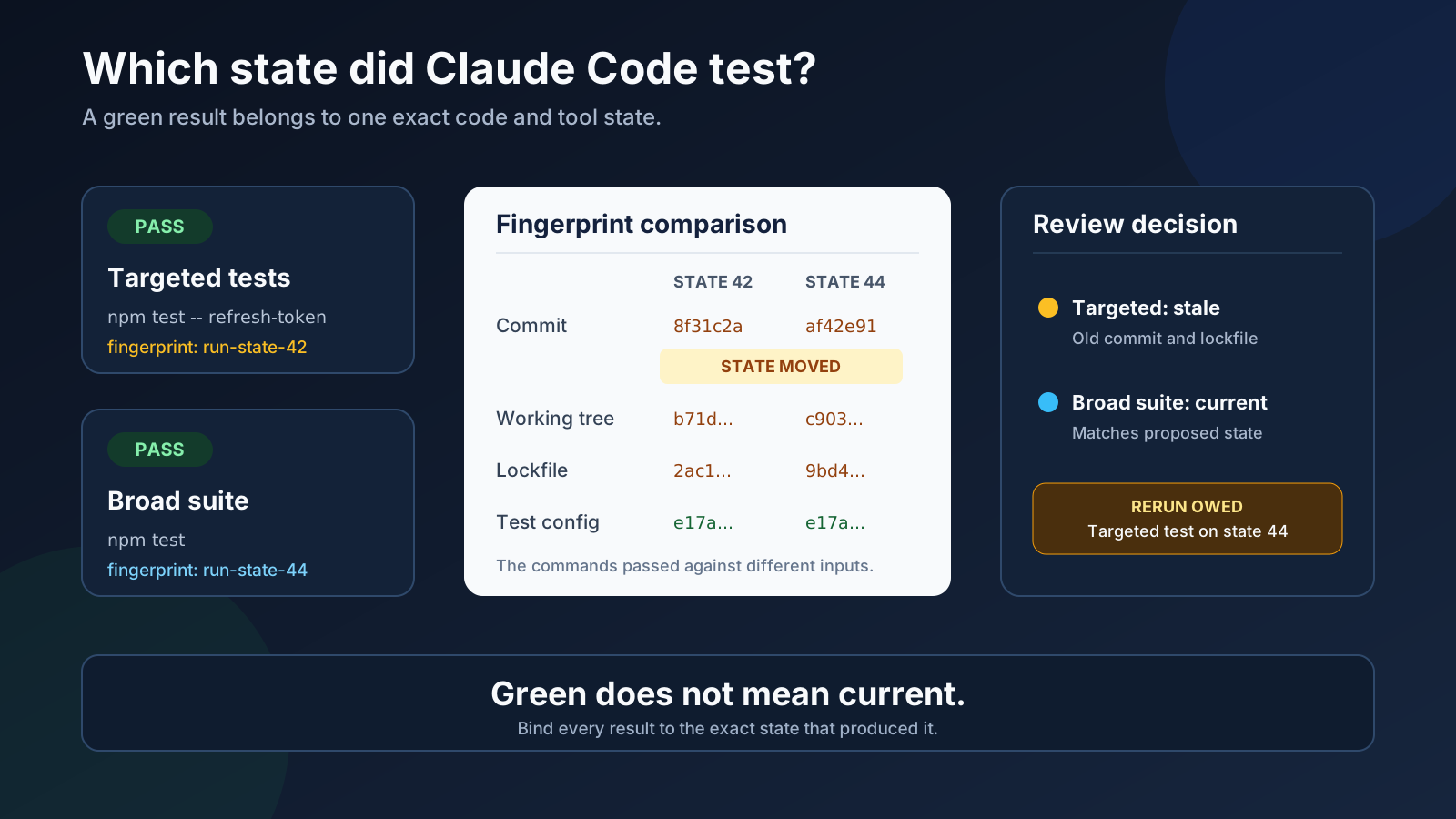
Claude Code can report passing tests from different repository states. Add a run fingerprint so each result names the exact code, dependencies, tools, and policy it tested.
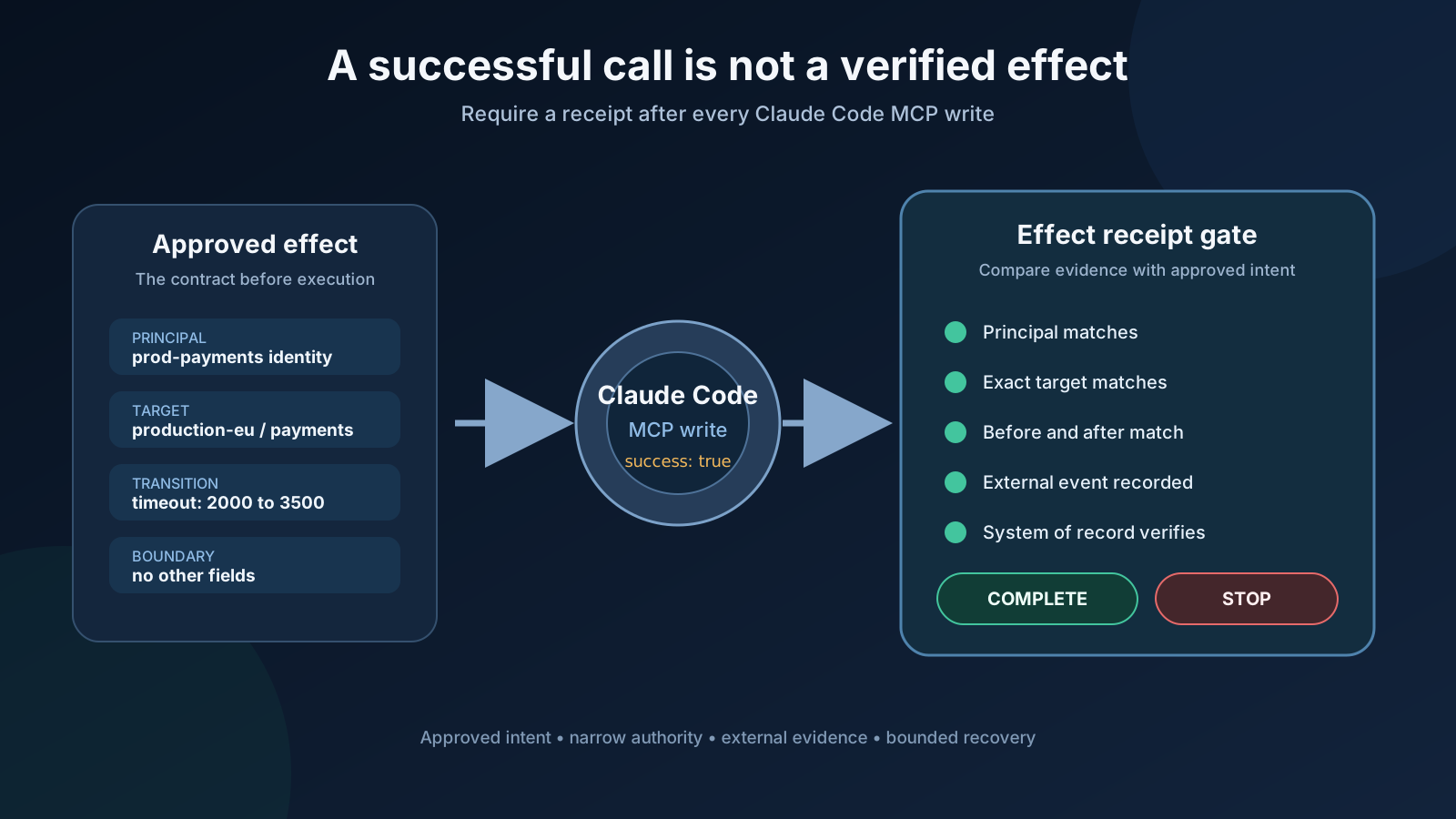
An MCP tool can return success after changing the wrong target or using the wrong authority. Make Claude Code prove the external effect before it reports completion.