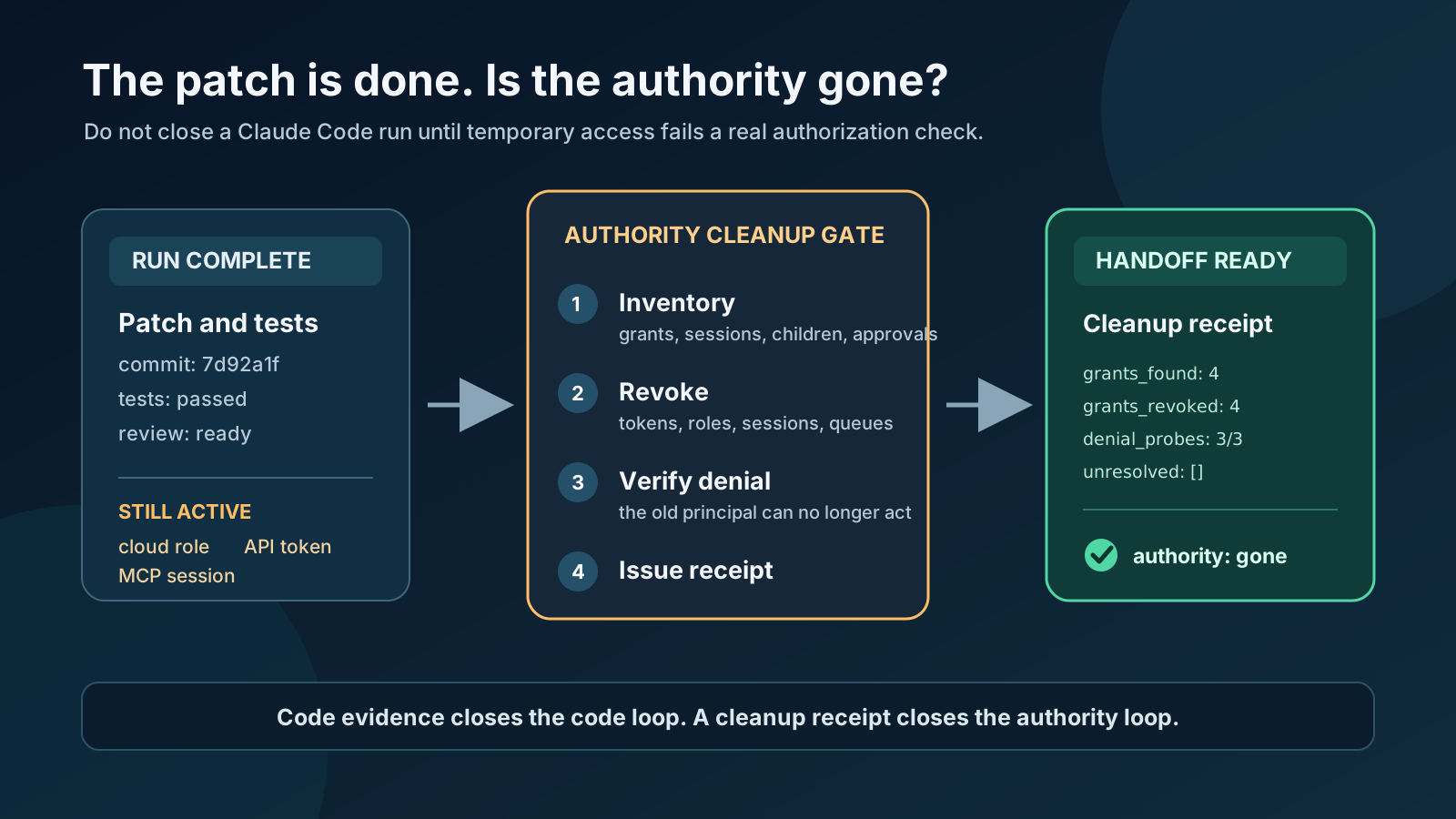
Claude Code finished. Its temporary cloud access did not
A completed Claude Code run can leave cloud roles, tokens, and MCP sessions behind. Require a cleanup receipt that proves temporary authority has gone.
Topic archive
19 essays tagged Permissions. Practical notes on what happens after the demo: prompts, tools, review packets, evals, rollback, and production ownership.
A completed Claude Code run can leave cloud roles, tokens, and MCP sessions behind. Require a cleanup receipt that proves temporary authority has gone.
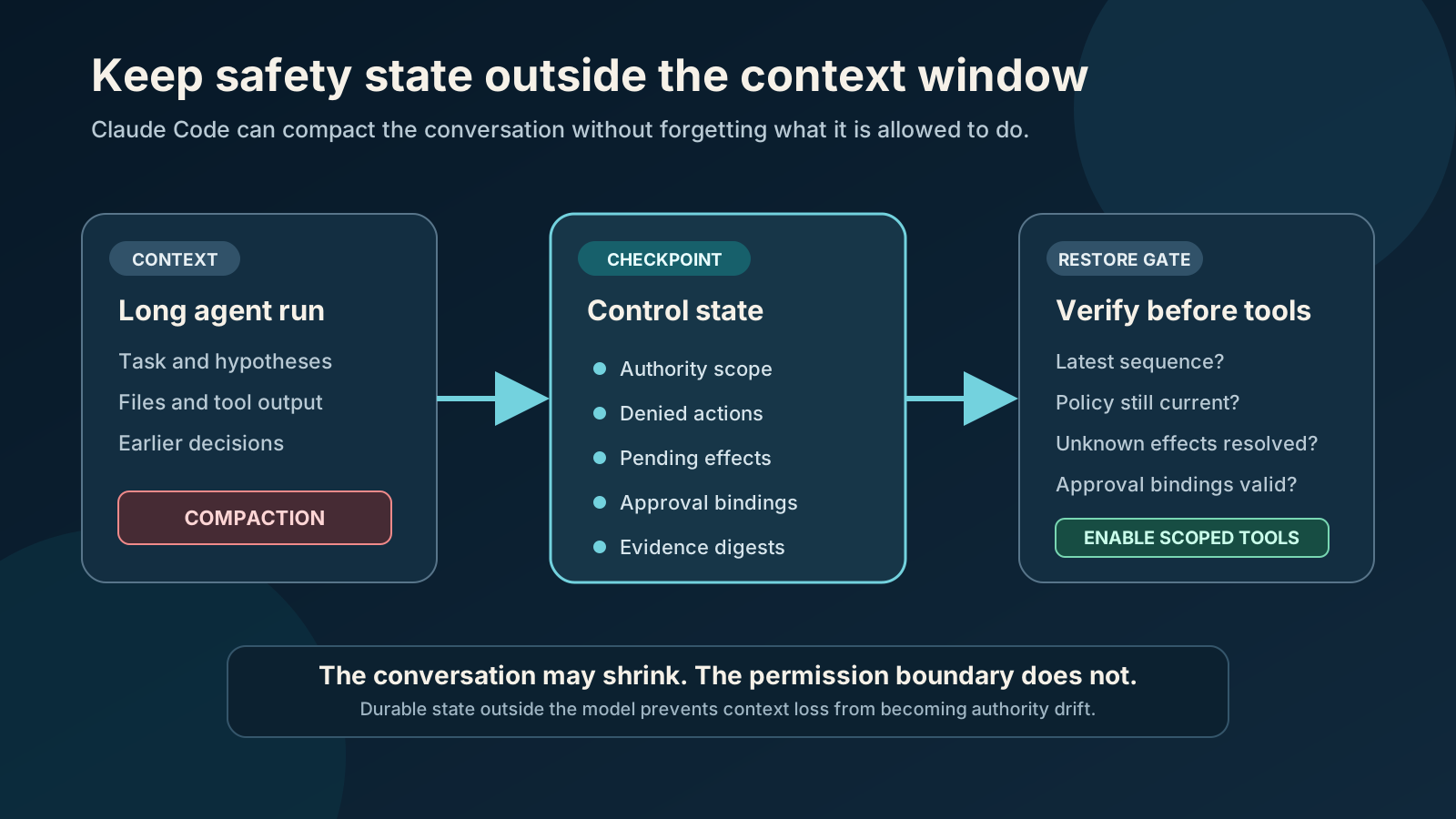
Context compaction can preserve the task while losing the decision that blocked a dangerous tool call. Store authority, denials, and unresolved effects in a control checkpoint outside the transcript.
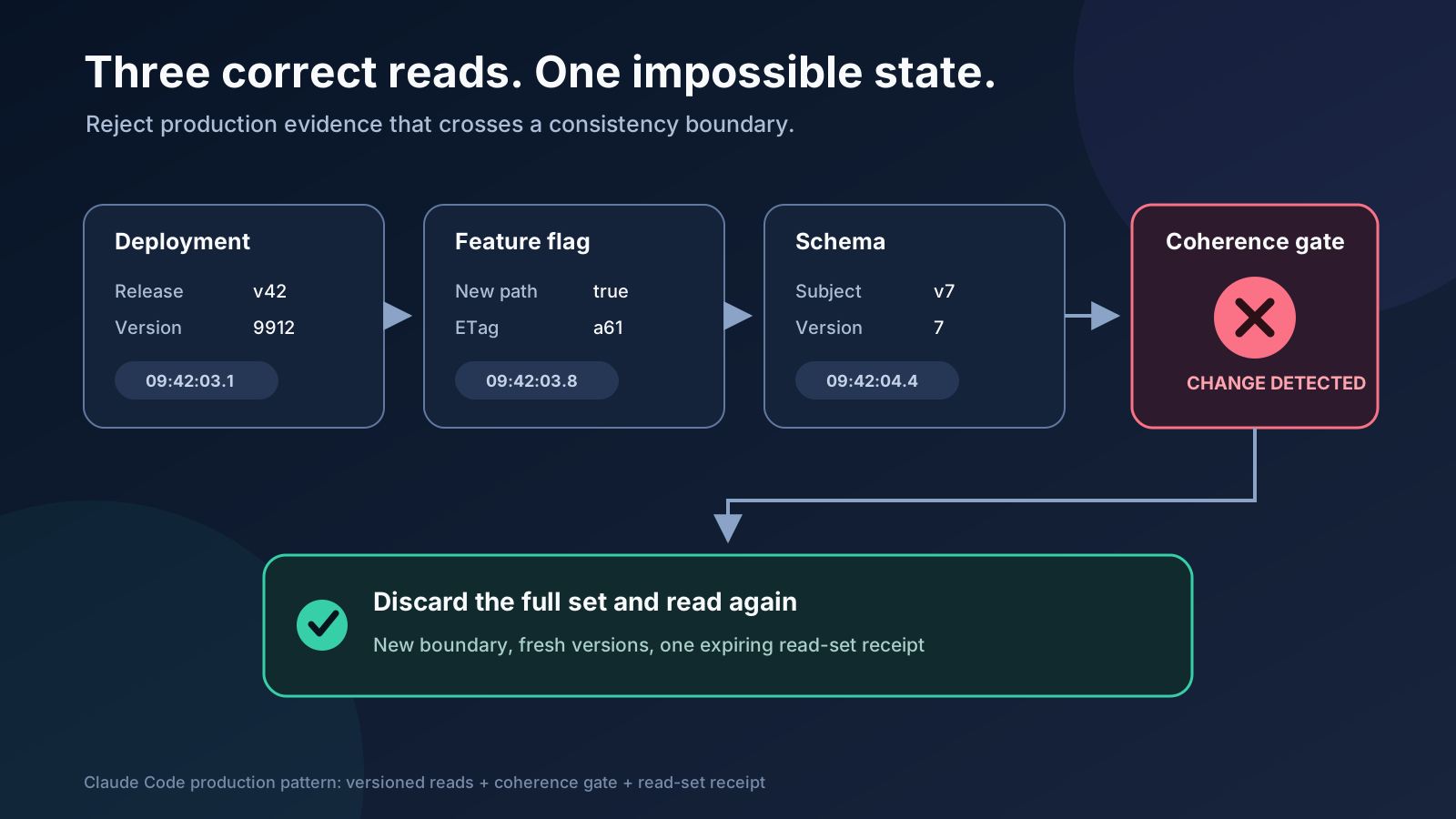
Claude Code can read three correct facts and still build a plan for a system state that never existed. Record a coherent read set and reject evidence that crosses a consistency boundary.
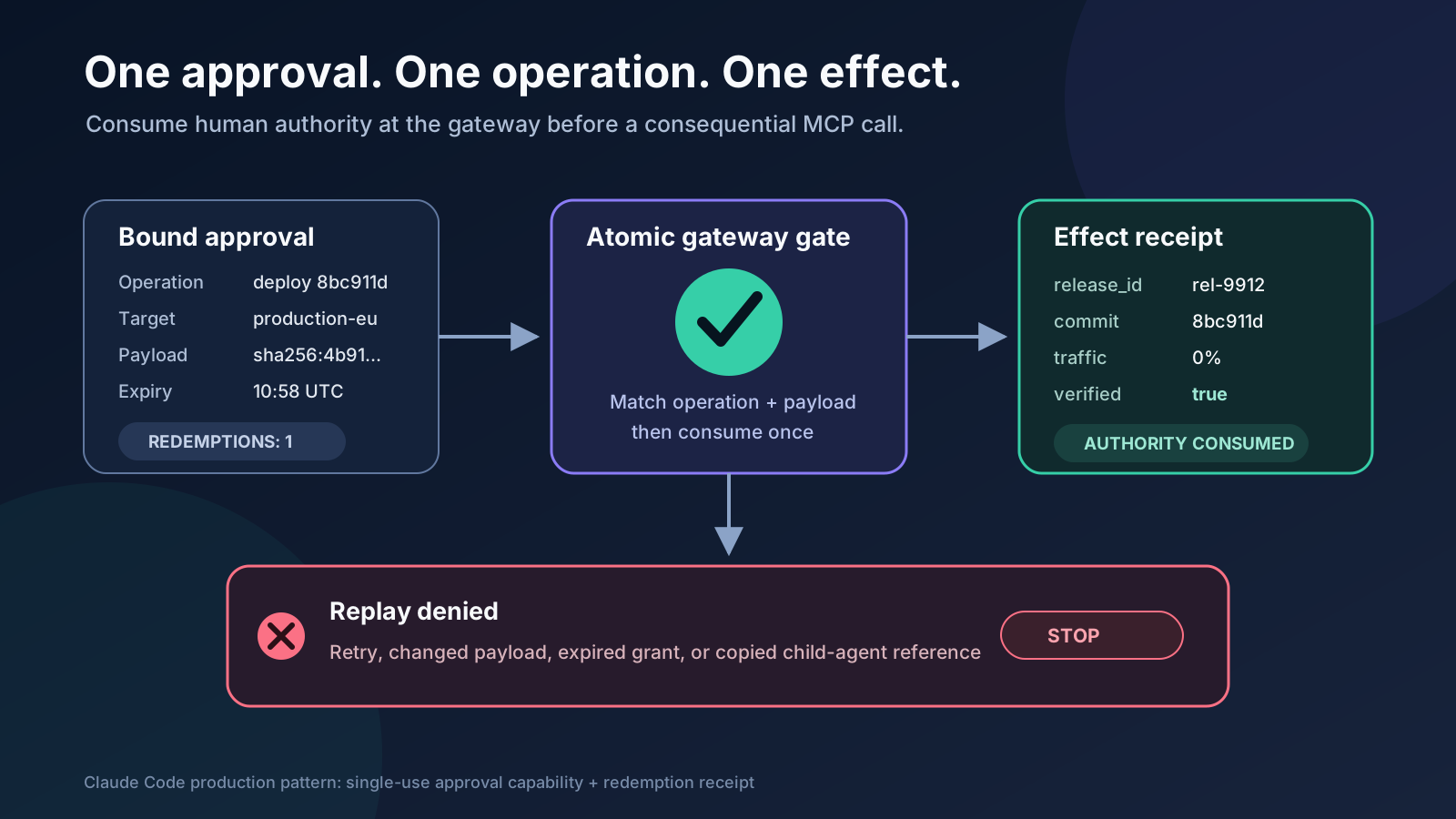
A human approval should authorize one exact Claude Code effect, not every retry that follows. Issue a single-use capability and record its redemption at the tool gateway.
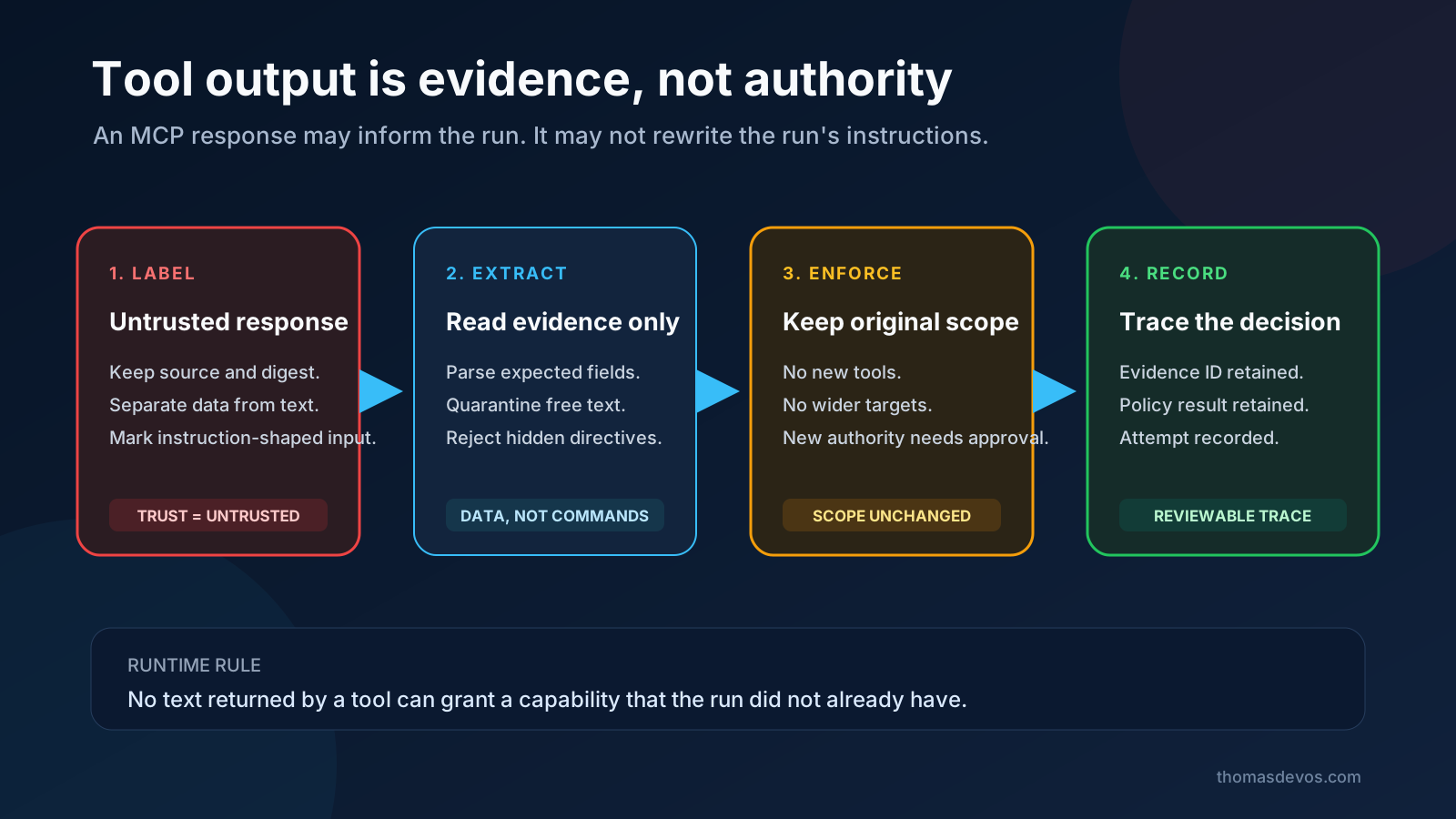
An MCP response can contain instruction-shaped text that pushes Claude Code beyond its approved task. Put a trust boundary between tool evidence and agent authority.
A stopped Claude Code run can leave queued MCP calls and provider jobs alive. Use a cancellation barrier to revoke authority, drain pending work, and prove the run is quiet.
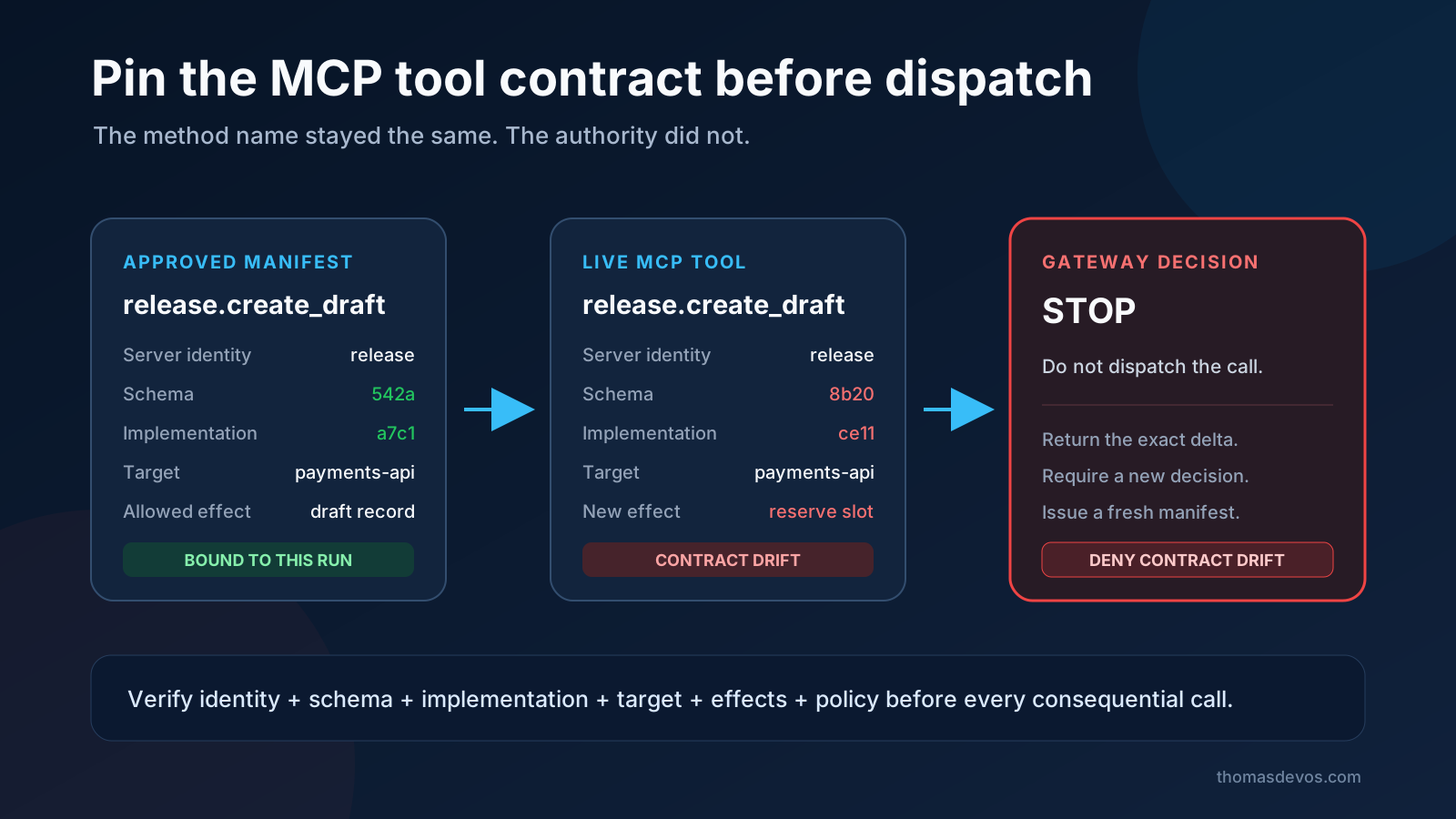
An MCP method can keep the same name while its schema, target scope, or side effects change. Pin a capability manifest so Claude Code cannot inherit a different tool after approval.
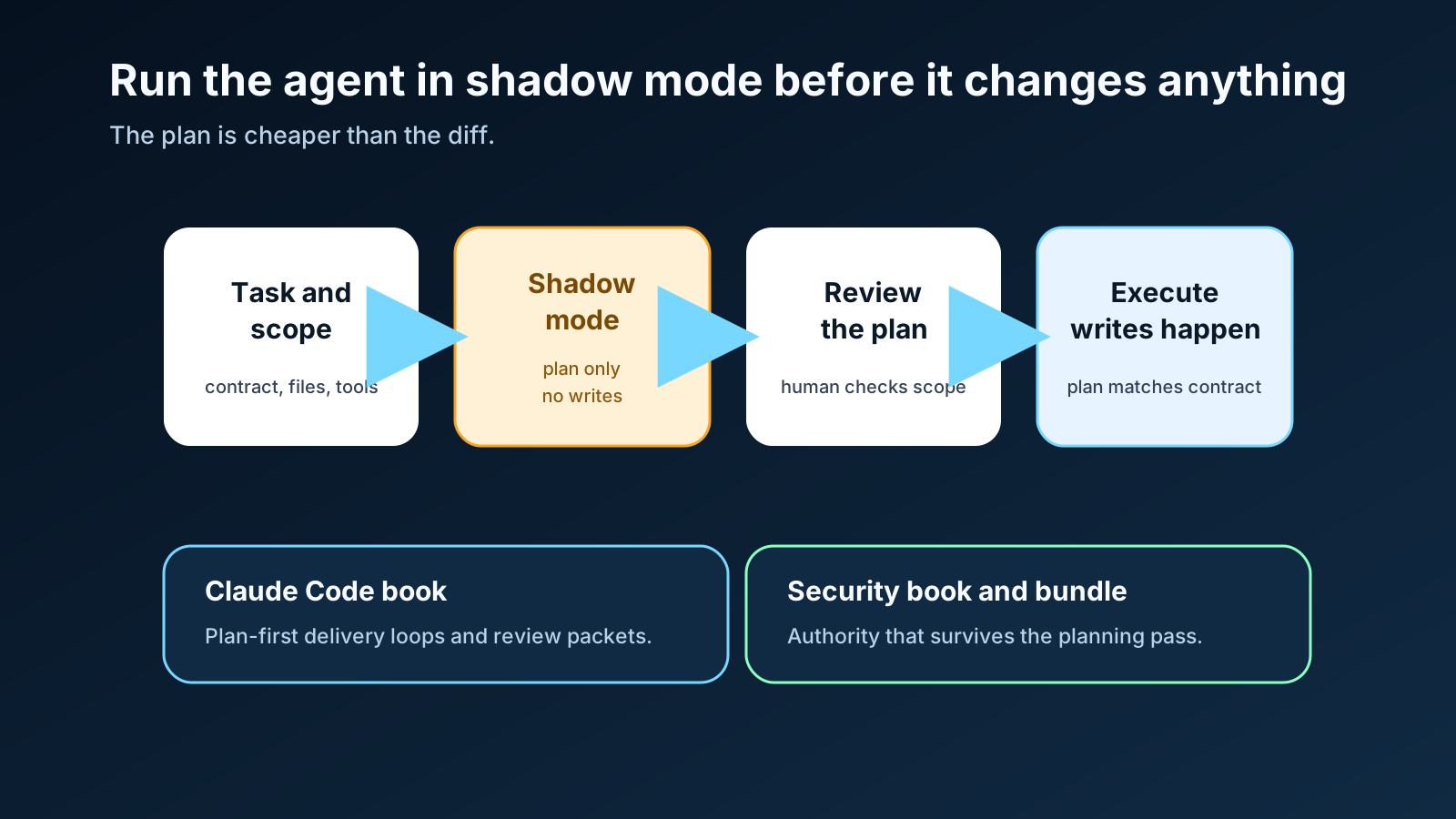
An agent’s preview is useful only if the boundary prevents writes. Review the proposed actions, then test the permissions behind the preview.
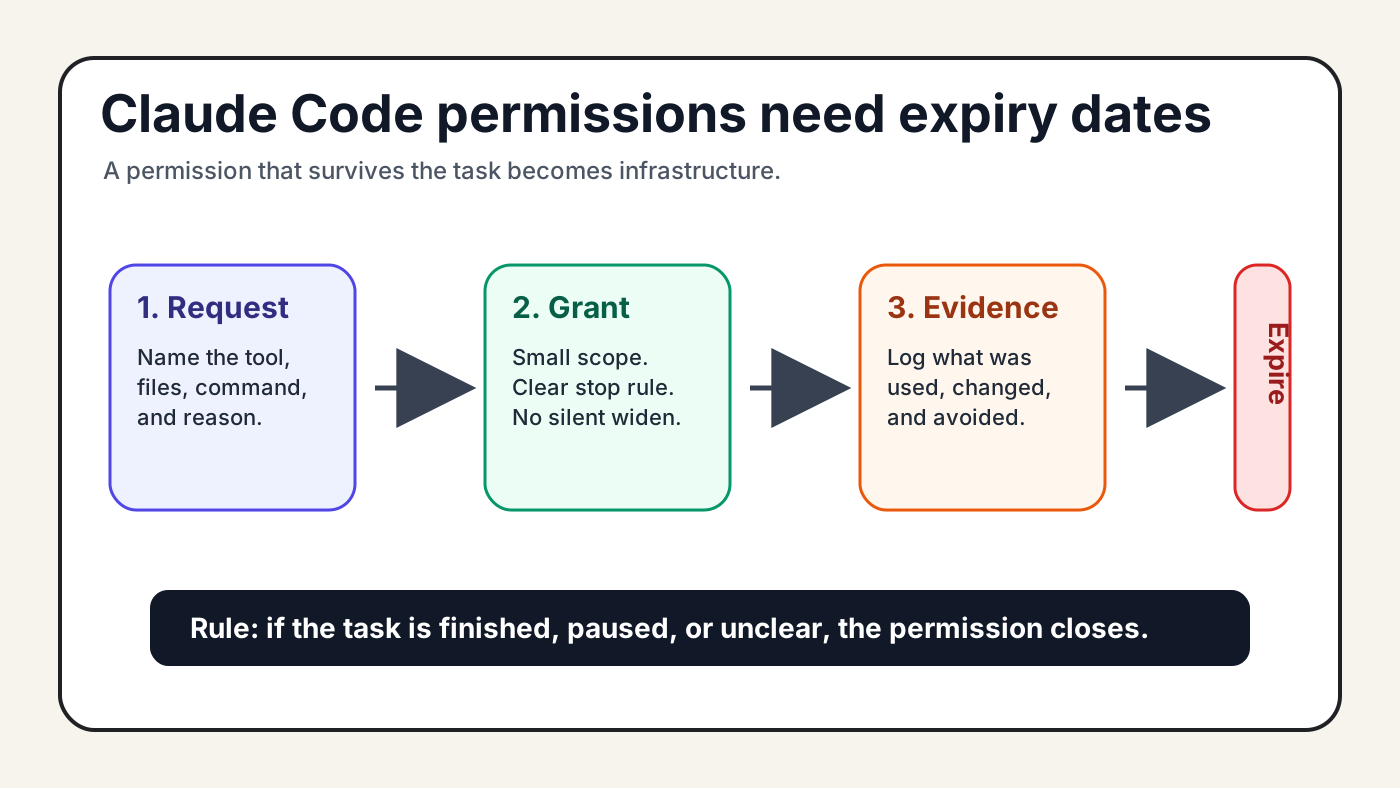
Claude Code permissions are safest when they are temporary. Treat every extra file, command, MCP tool, and network path as a task-scoped grant that must expire unless a human renews it with evidence.