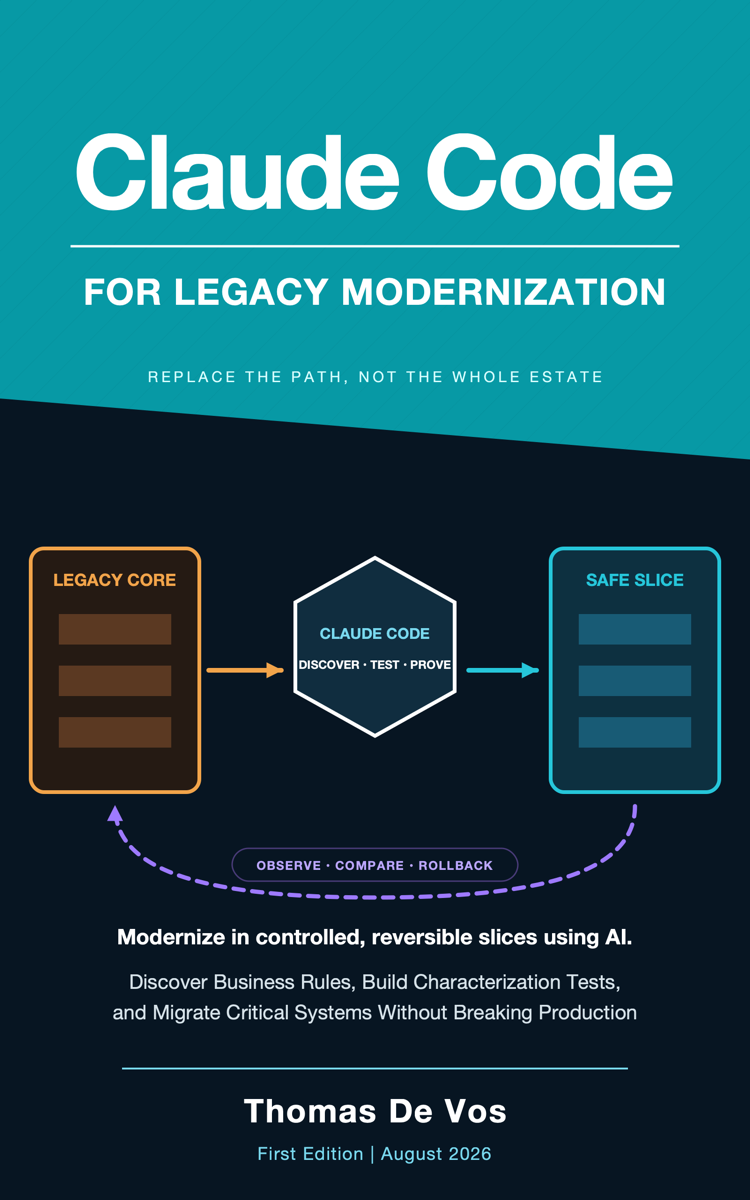
Claude Code for Legacy Modernization is available as an ebook and paperback
My evidence-first guide to modernizing critical systems with Claude Code is now available as a 597-page paperback and an ebook on Amazon UK.
Topic archive
35 essays tagged Production AI. Practical notes on what happens after the demo: prompts, tools, review packets, evals, rollback, and production ownership.
My evidence-first guide to modernizing critical systems with Claude Code is now available as a 597-page paperback and an ebook on Amazon UK.
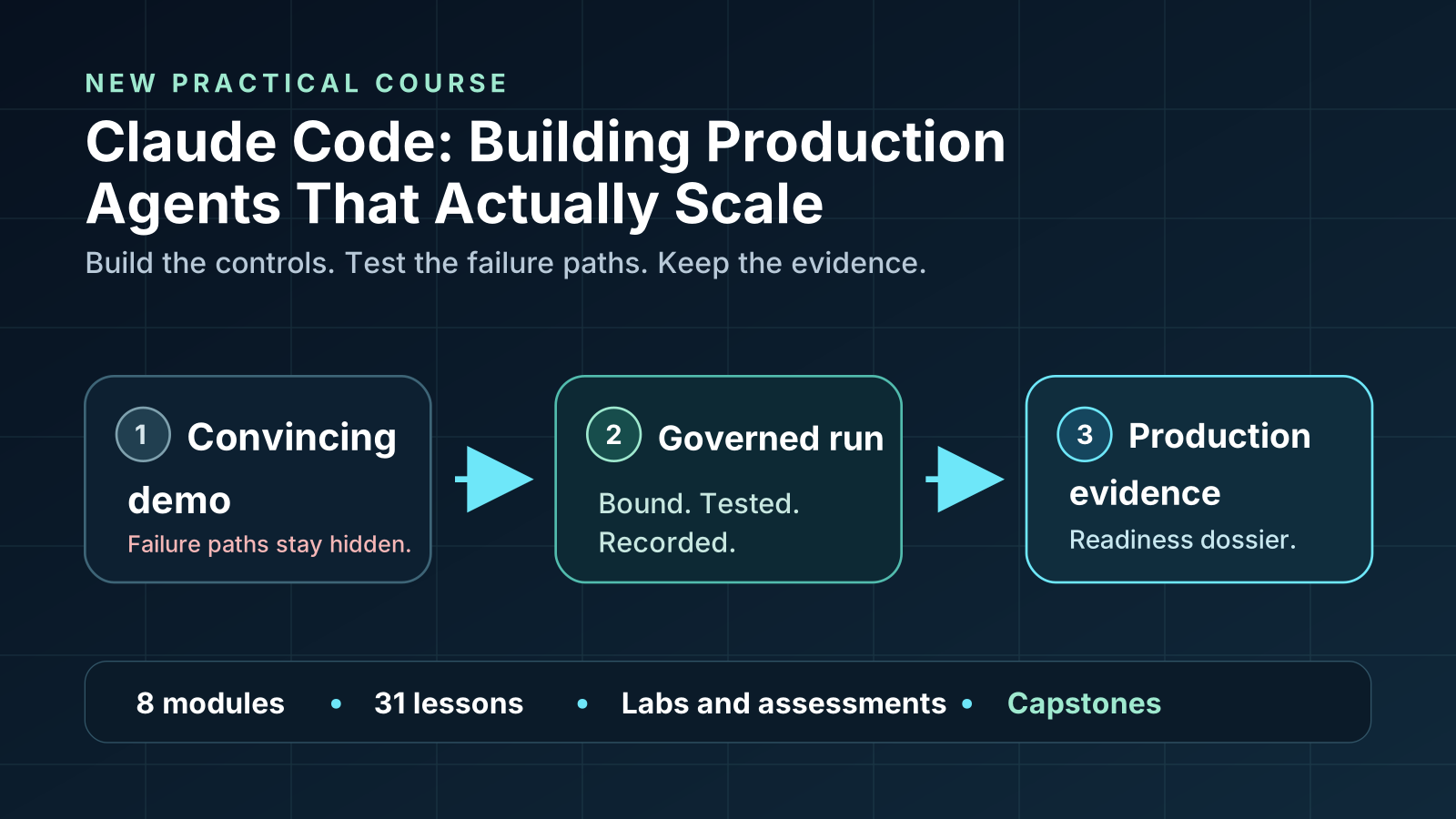
My new practical Leanpub course turns the production engineering behind Claude Code agents into labs, assessments, capstones, and a production-readiness dossier.
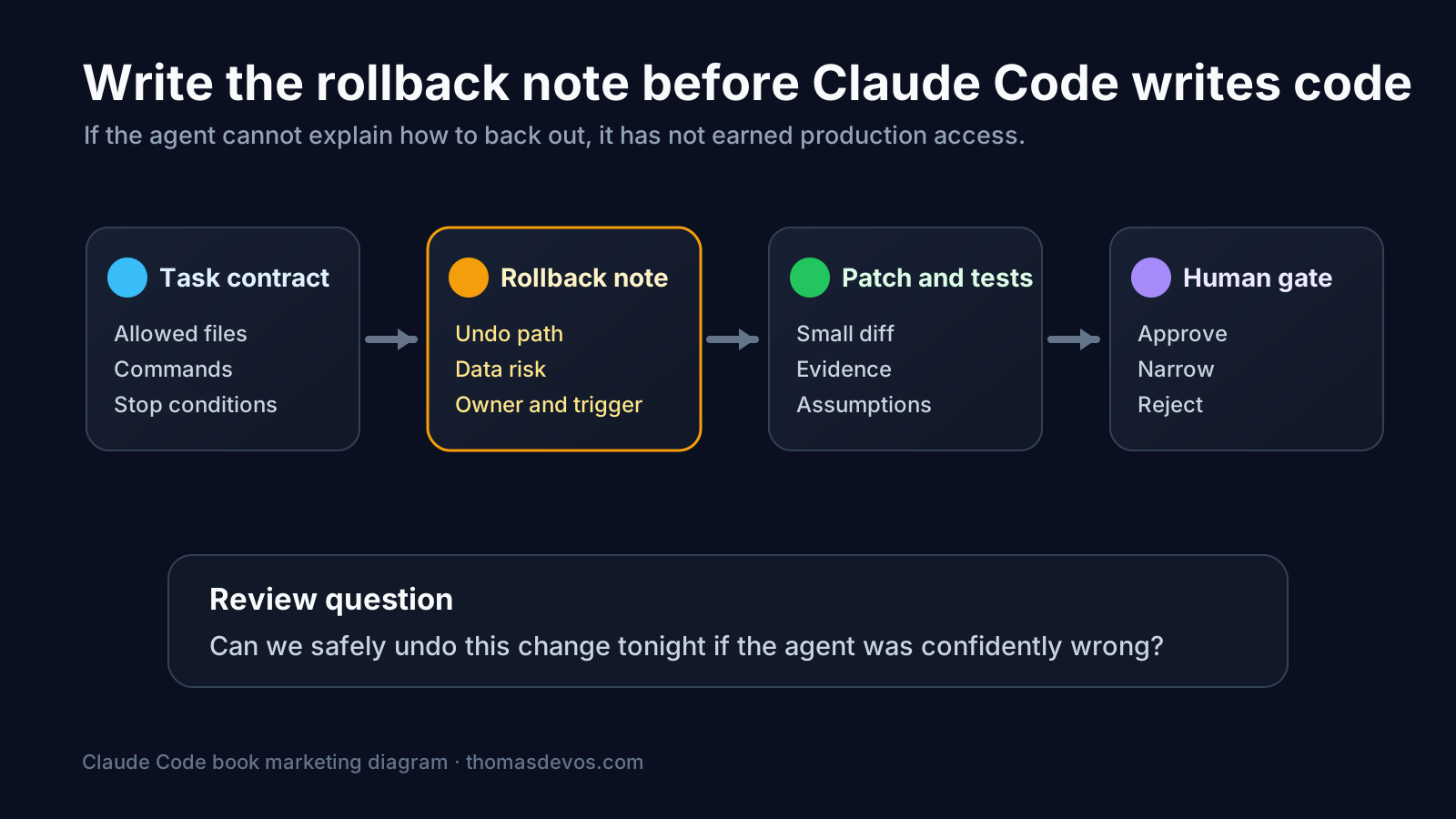
Before Claude Code edits production-adjacent code, ask for the rollback note. If the agent cannot explain how to undo the change, the task contract is not ready yet.
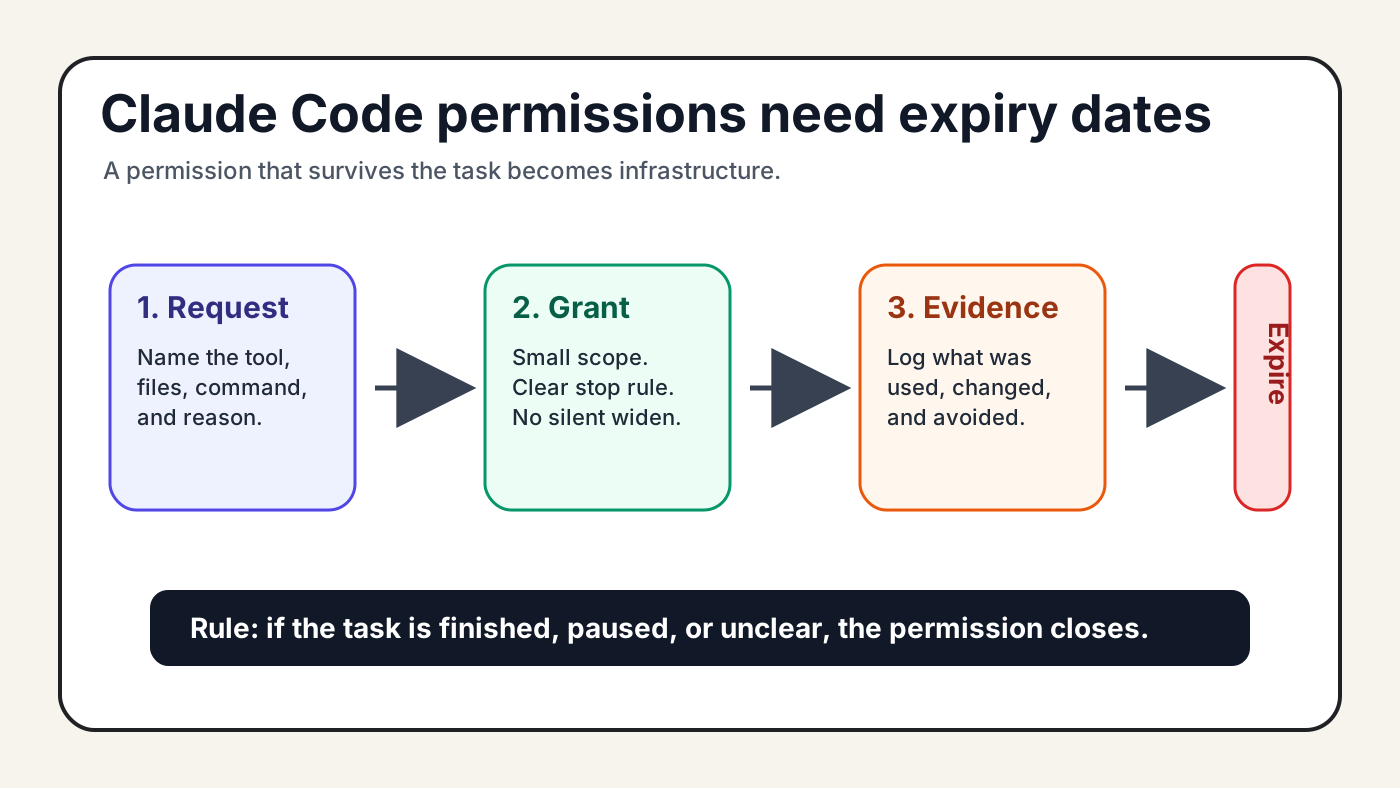
Claude Code permissions are safest when they are temporary. Treat every extra file, command, MCP tool, and network path as a task-scoped grant that must expire unless a human renews it with evidence.
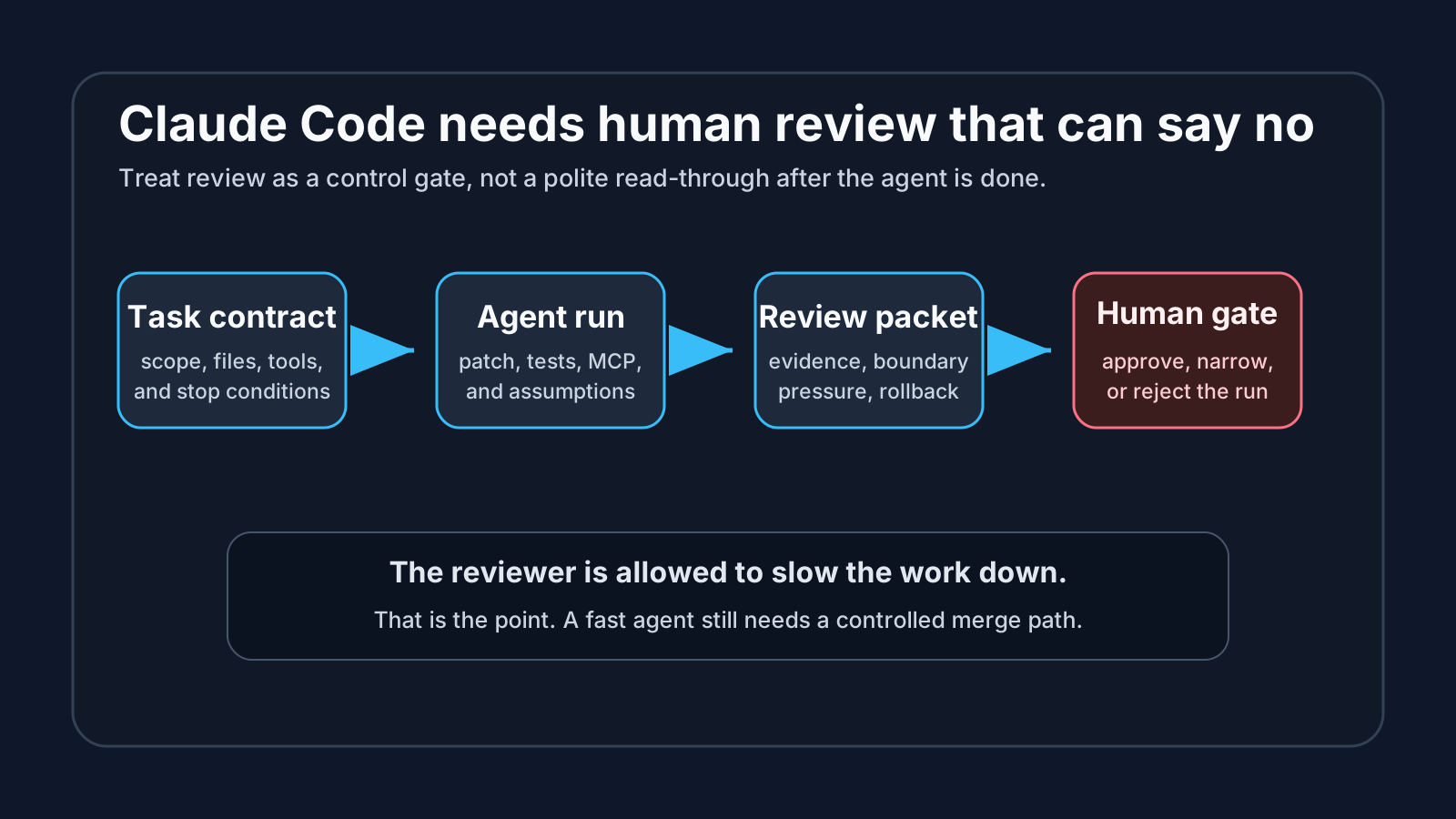
Claude Code can make a change feel review-ready before the risk is understood. Production teams need human review that can reject the run, narrow the scope, or demand better evidence before merge.
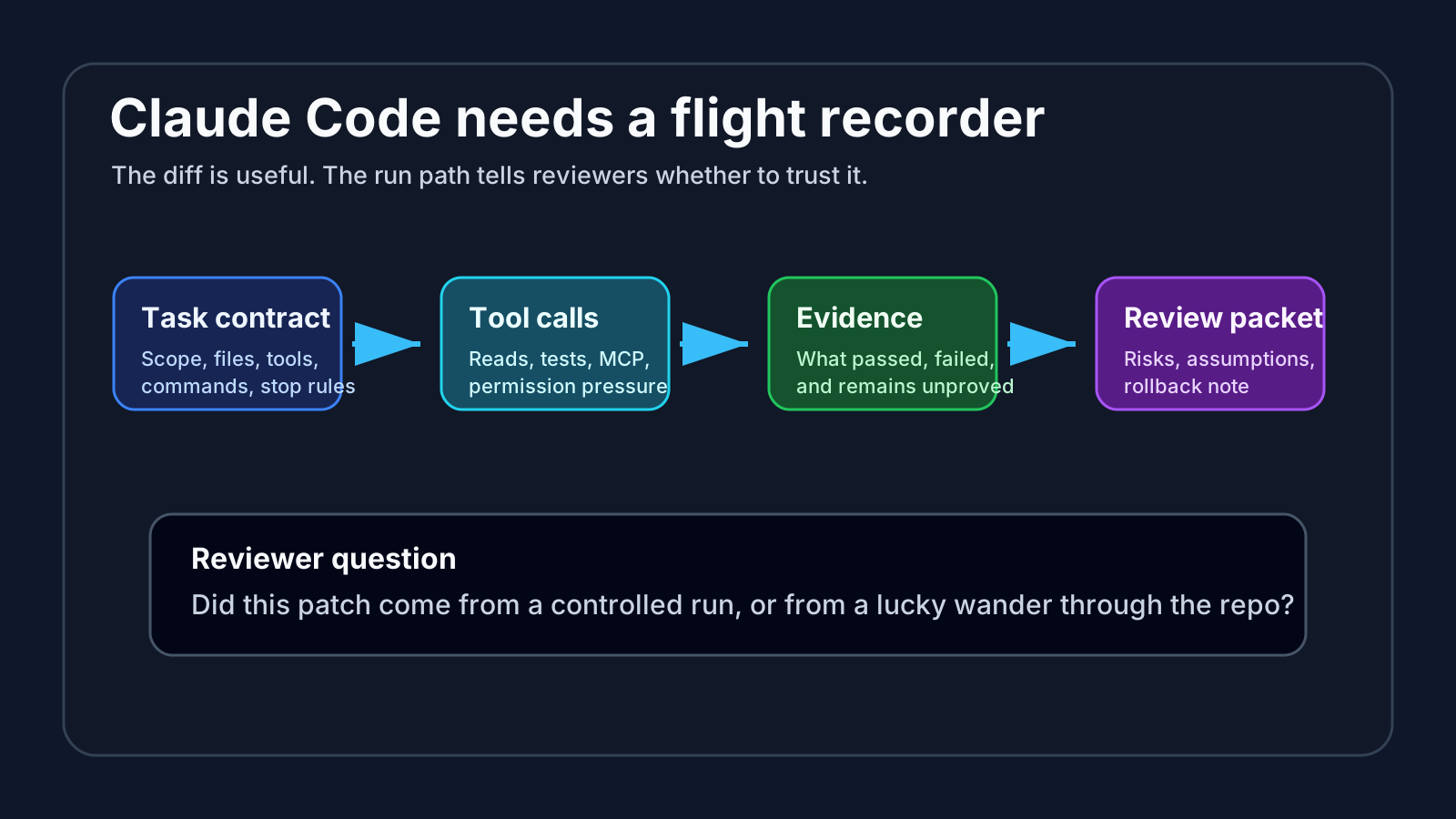
Claude Code can produce a clean patch from a messy run. Production teams need a flight recorder: the task contract, tool calls, permission pressure, tests, assumptions, and rollback notes that explain how the patch was made.
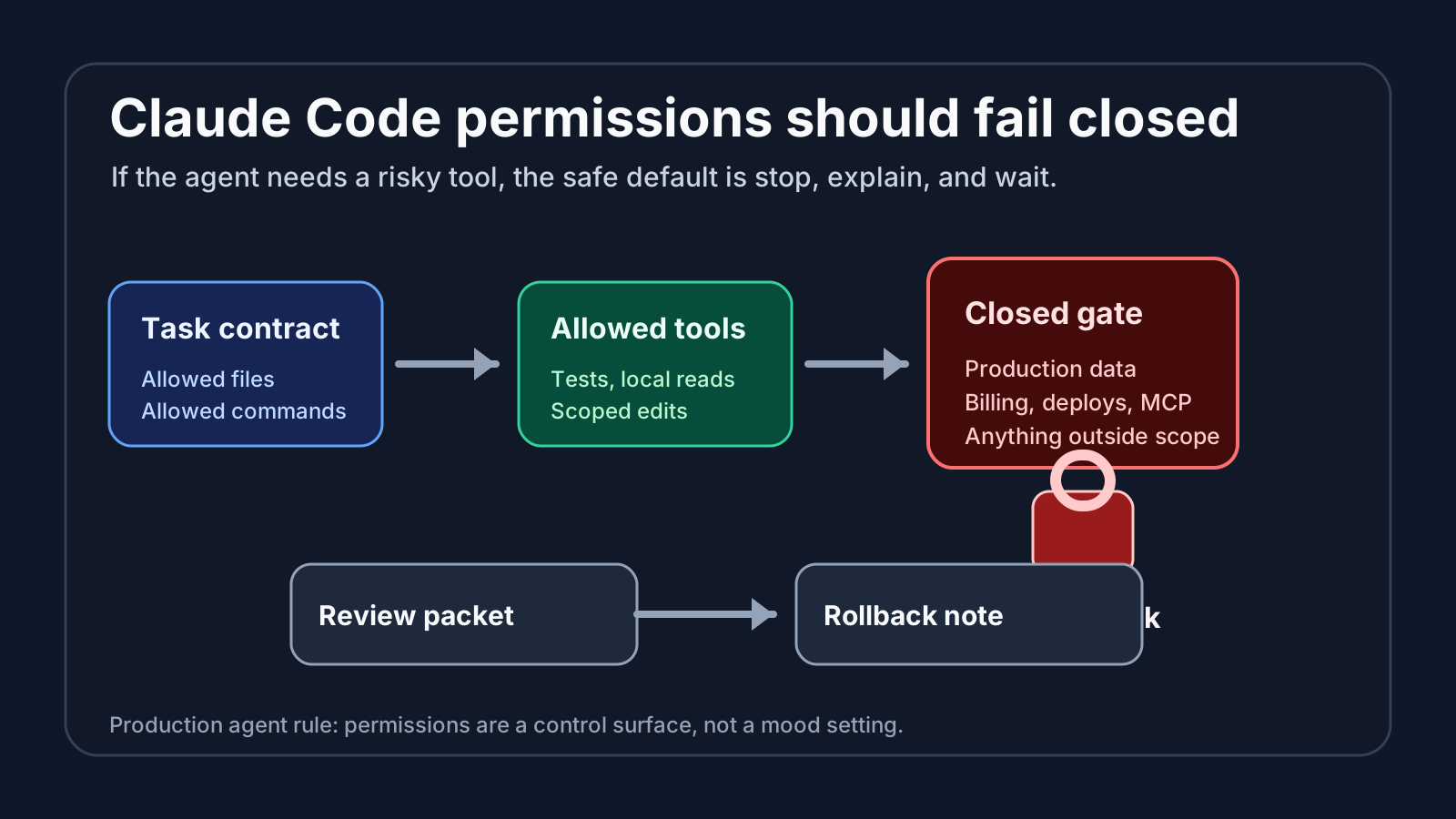
Claude Code permissions are where agent safety becomes concrete. If a run needs production data, billing config, deploy access, or a wider MCP tool, the default should be stop, explain, and wait for a human decision.
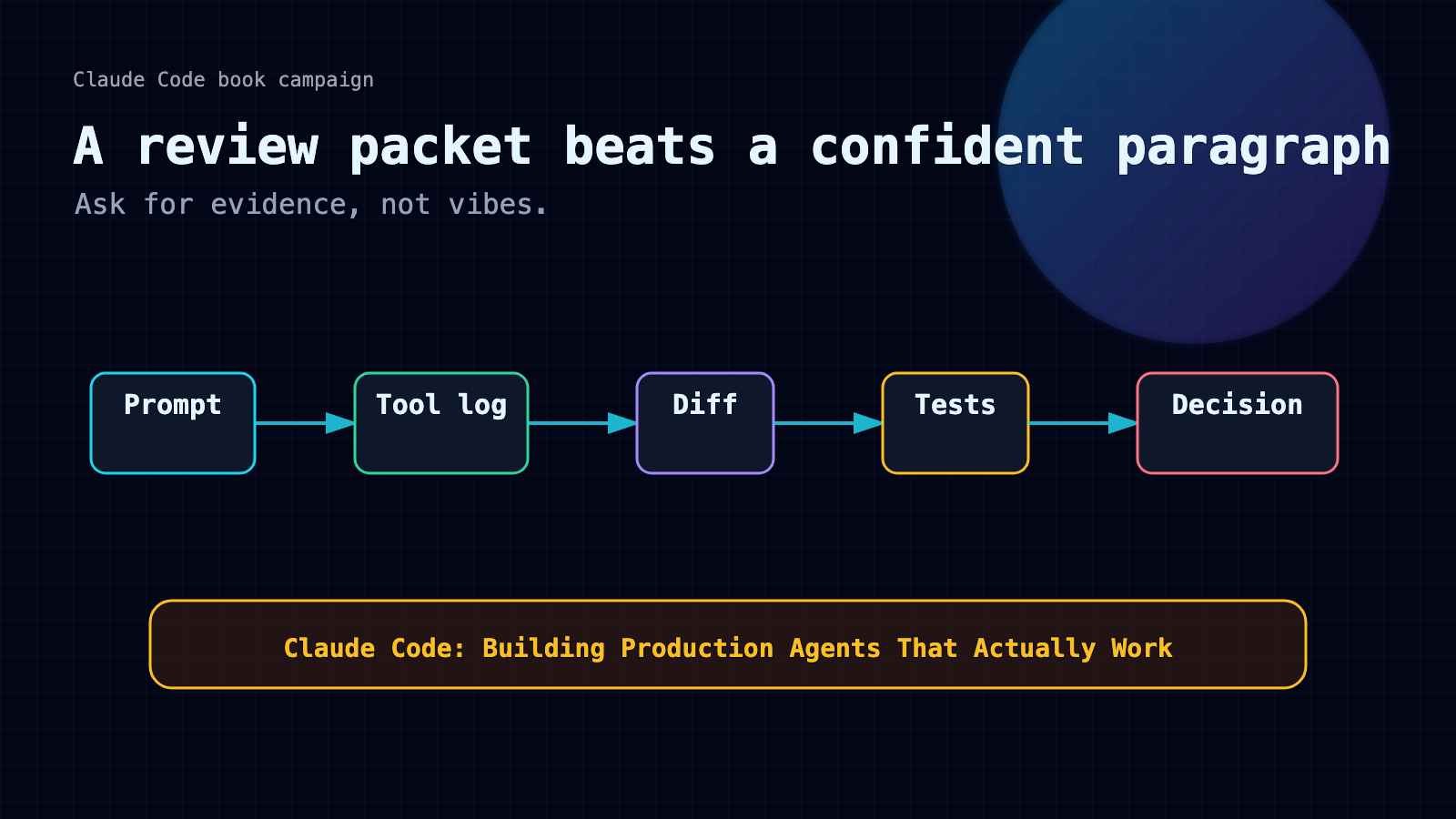
Passing tests are a useful signal, but they are not enough for production Claude Code work. Ask for a review packet that shows scope, evidence, boundary pressure, remaining risk, and rollback before merge.
New models matter. They change what is possible. But a serious AI strategy cannot be rebuilt around every launch. The hard work is deciding what should change in your products, teams, controls, and habits.
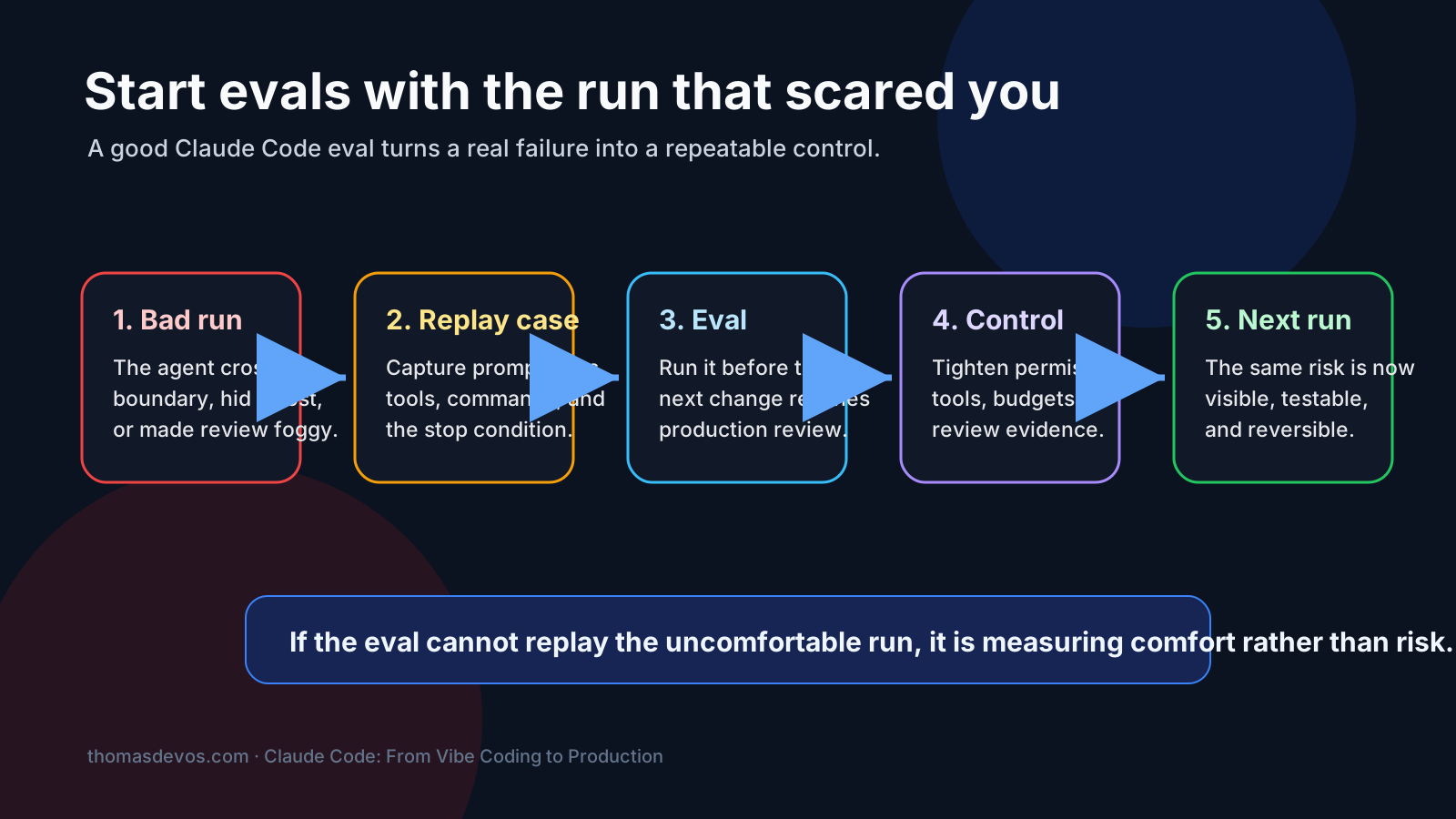
The best Claude Code eval is not a tidy benchmark. It is the uncomfortable run your team does not want to repeat, captured as a replayable production control.