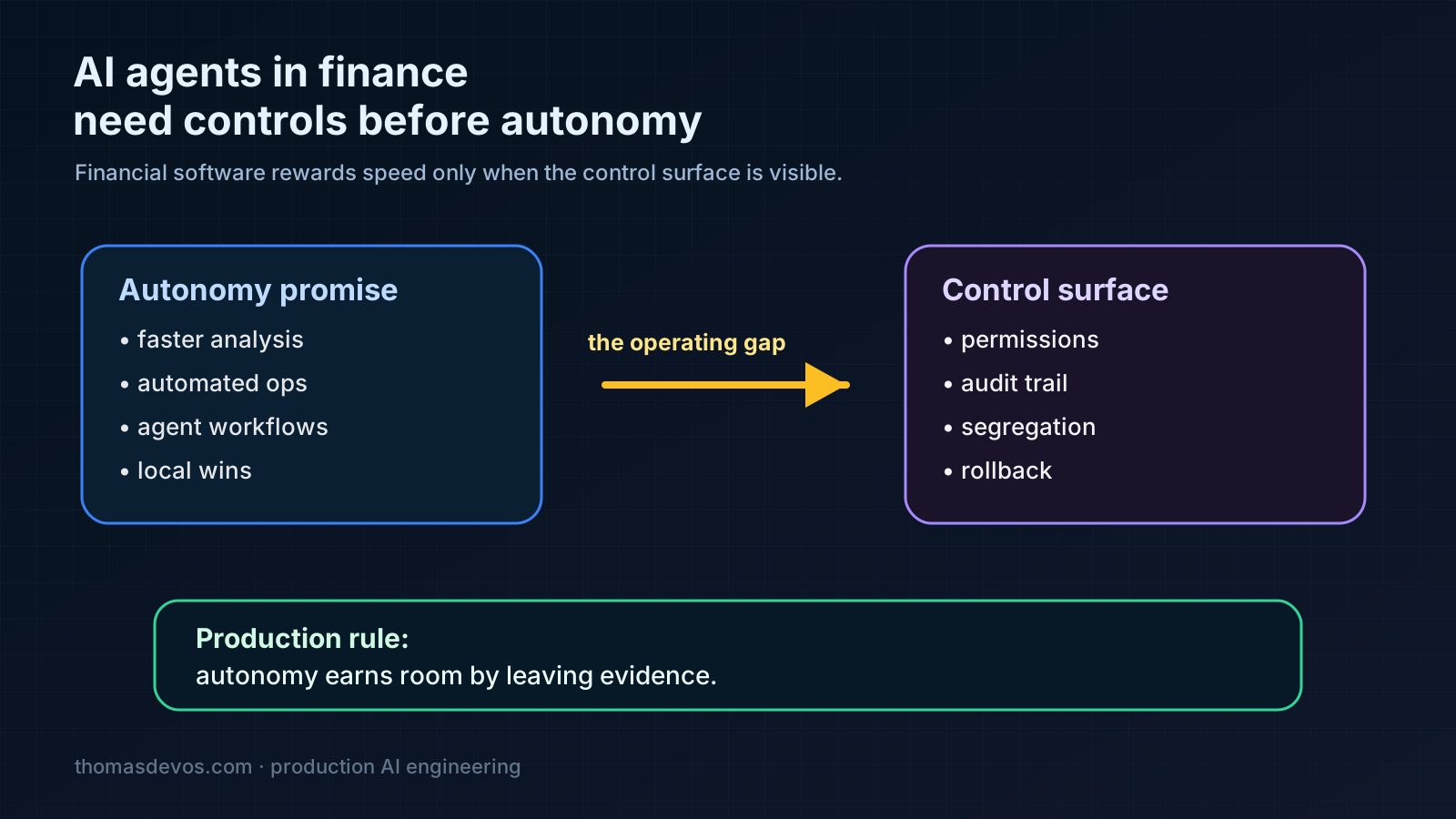
AI agents in financial services need controls before autonomy
Financial-services AI agents can be useful, but autonomy without permissions, audit trails, segregation, evals, and rollback is just operational risk with a nicer interface.
Topic archive
35 essays tagged Production AI. Practical notes on what happens after the demo: prompts, tools, review packets, evals, rollback, and production ownership.
Financial-services AI agents can be useful, but autonomy without permissions, audit trails, segregation, evals, and rollback is just operational risk with a nicer interface.
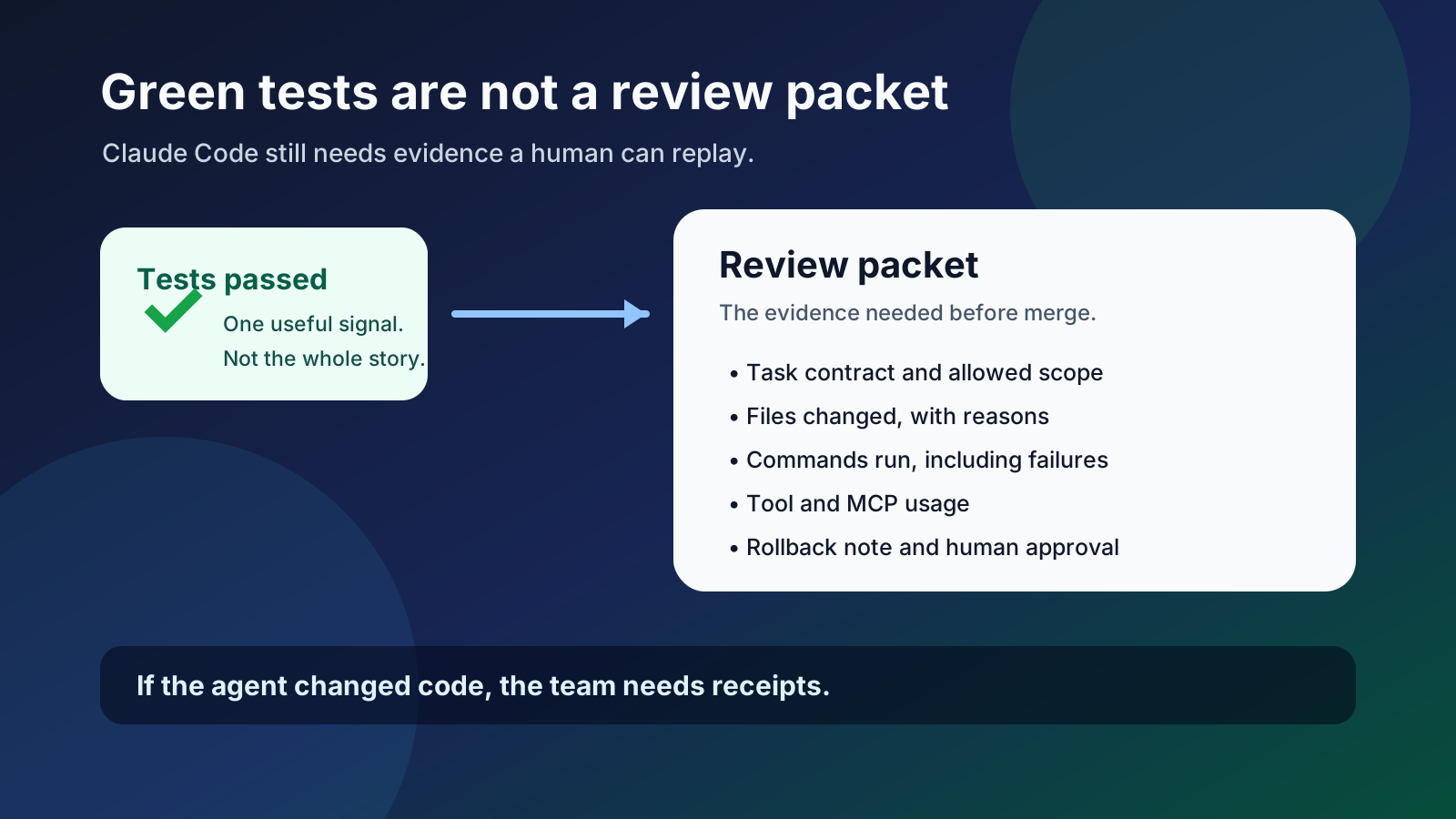
A Claude Code run can make tests pass and still leave a reviewer with no usable evidence. Treat green tests as one signal, then require scope, command logs, tool use, assumptions, and rollback notes before merging agent work.
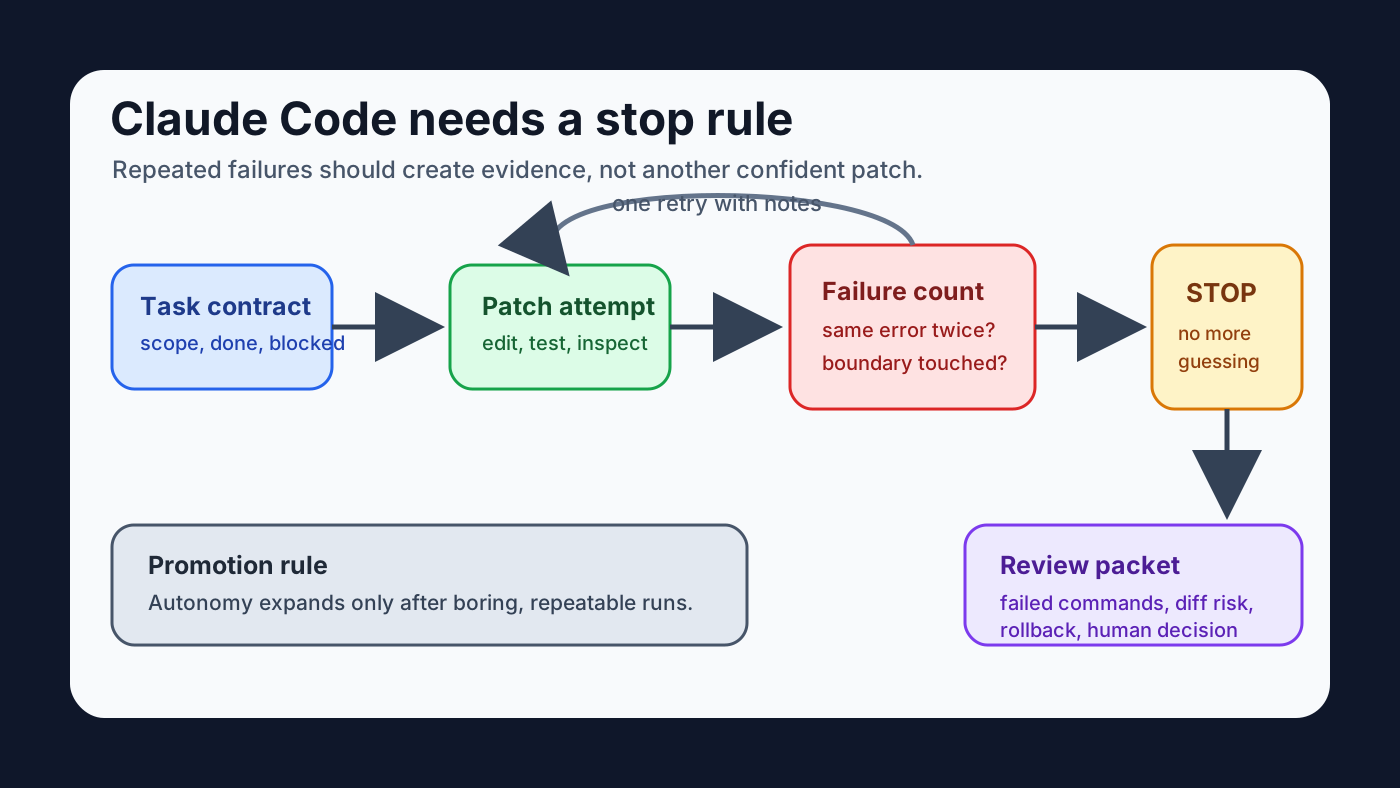
Claude Code gets risky when a failed run keeps retrying without a stop rule. Use failure budgets, review packets, evals, and rollback notes before giving agents more autonomy.
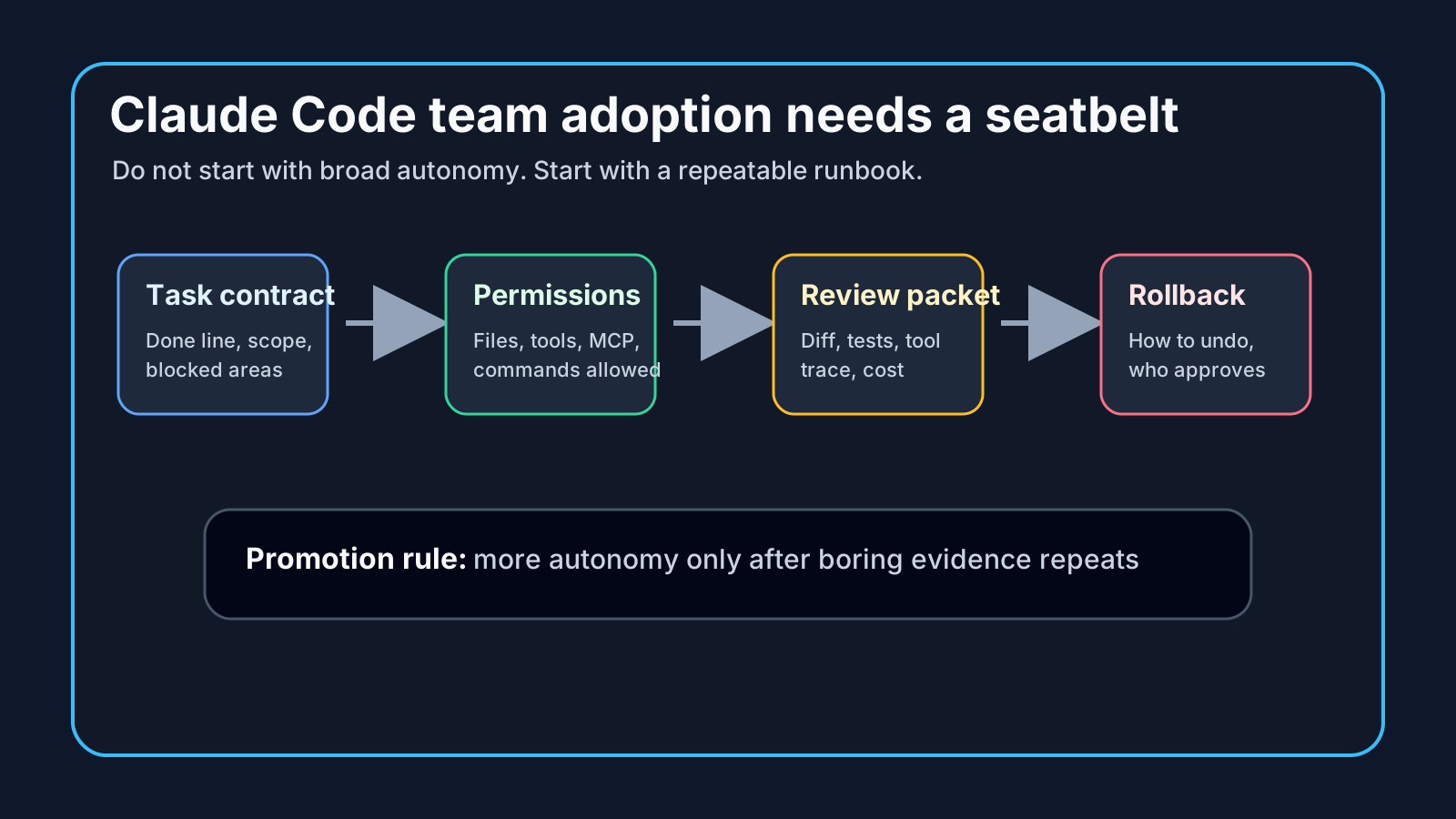
Claude Code gets risky when teams roll it out through enthusiasm instead of a runbook. Start with task contracts, scoped permissions, review packets, evals, and rollback before widening autonomy.
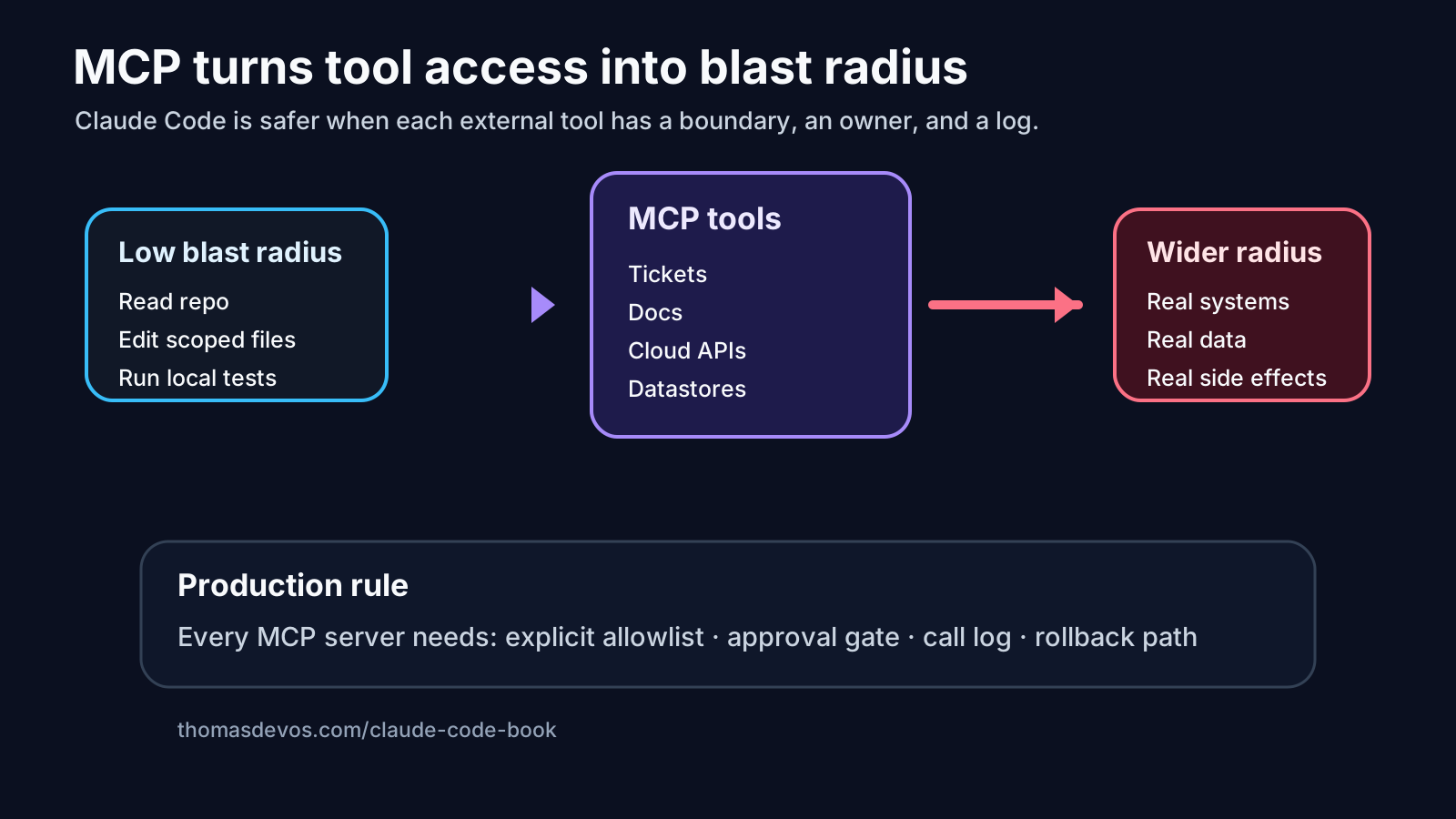
MCP makes Claude Code more useful, but every server also widens the blast radius. Treat MCP tools as production access paths with allowlists, approval gates, call logs, and rollback notes.
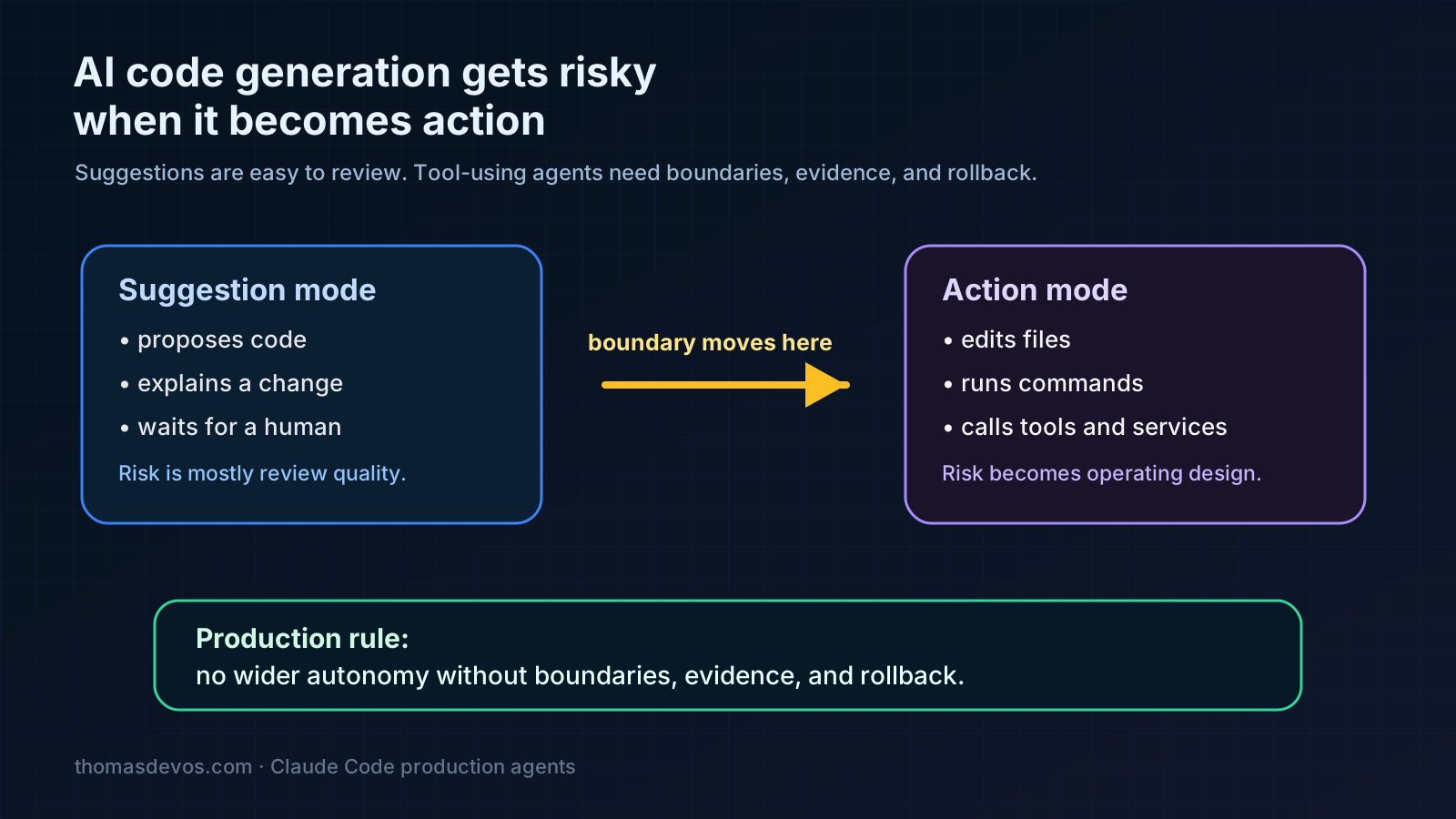
AI code generation is manageable when it suggests code. The risk changes when agents can edit files, run commands, call tools, and open pull requests.
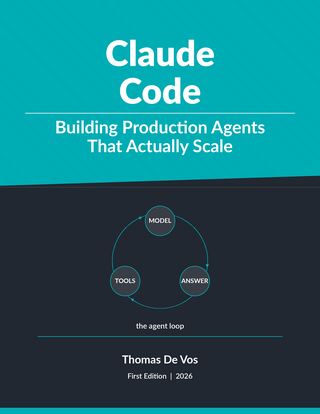
Claude Code: Building Production Agents That Actually Scale is now live on Amazon Kindle. Here is who it is for and why I wrote it.
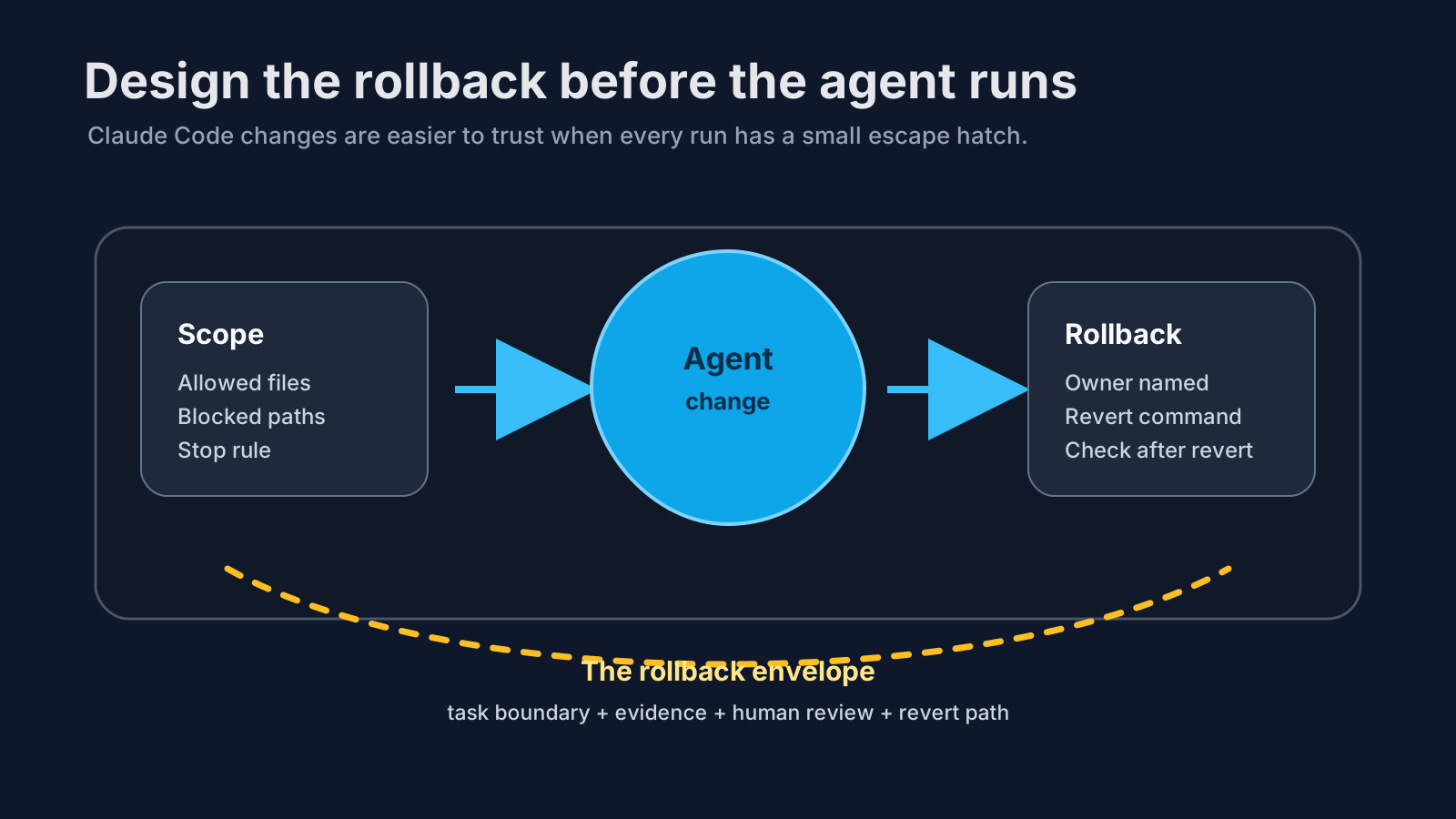
If a Claude Code agent can change production-shaped code, the prompt should say how to undo the work. Rollback is not paperwork after the diff. It is part of the task boundary.
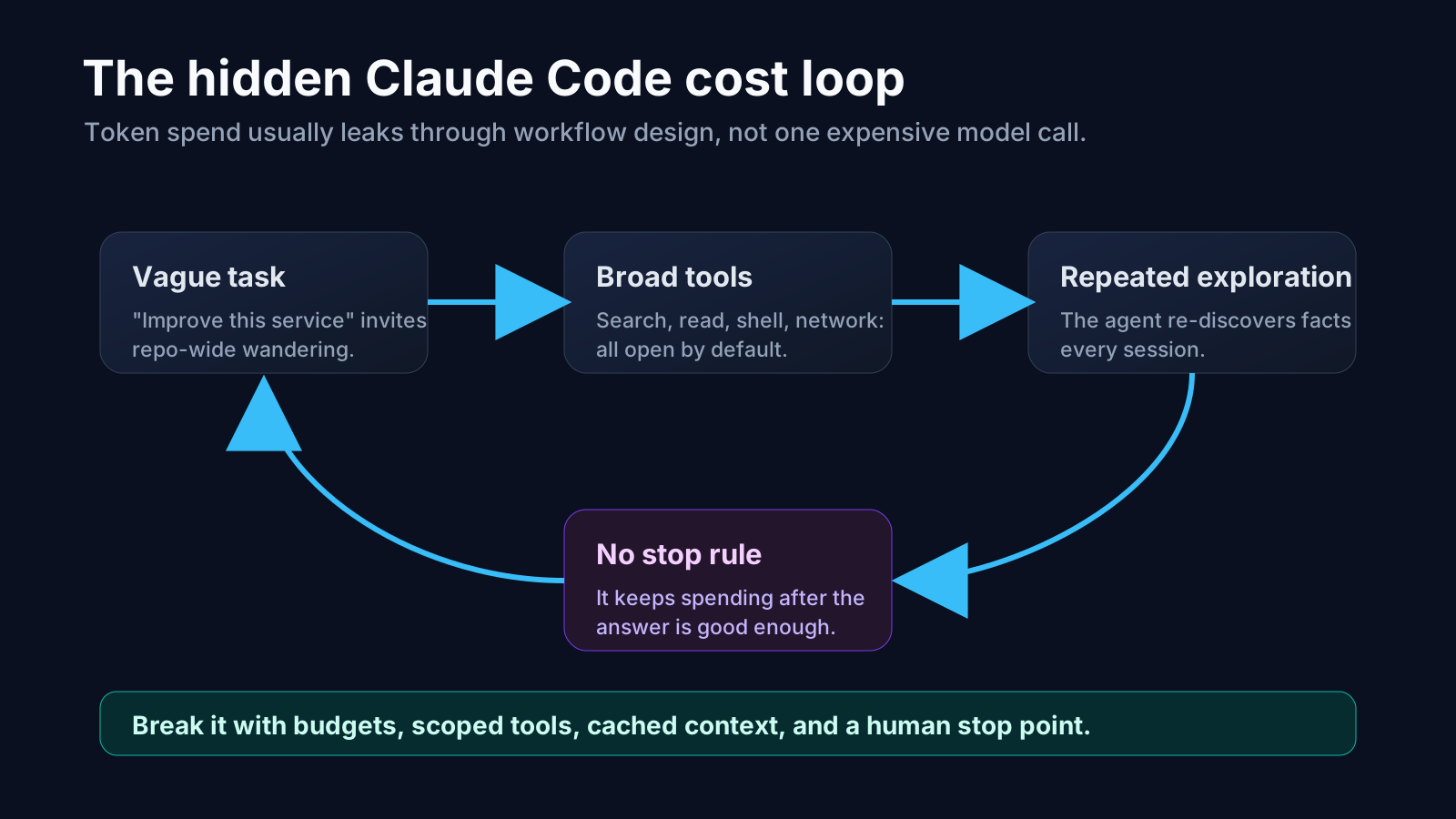
Claude Code cost problems usually start before the model call: vague tasks, wide-open tools, repeated repo exploration, and no stop rule. Treat spend as a workflow bug, not just a pricing problem.
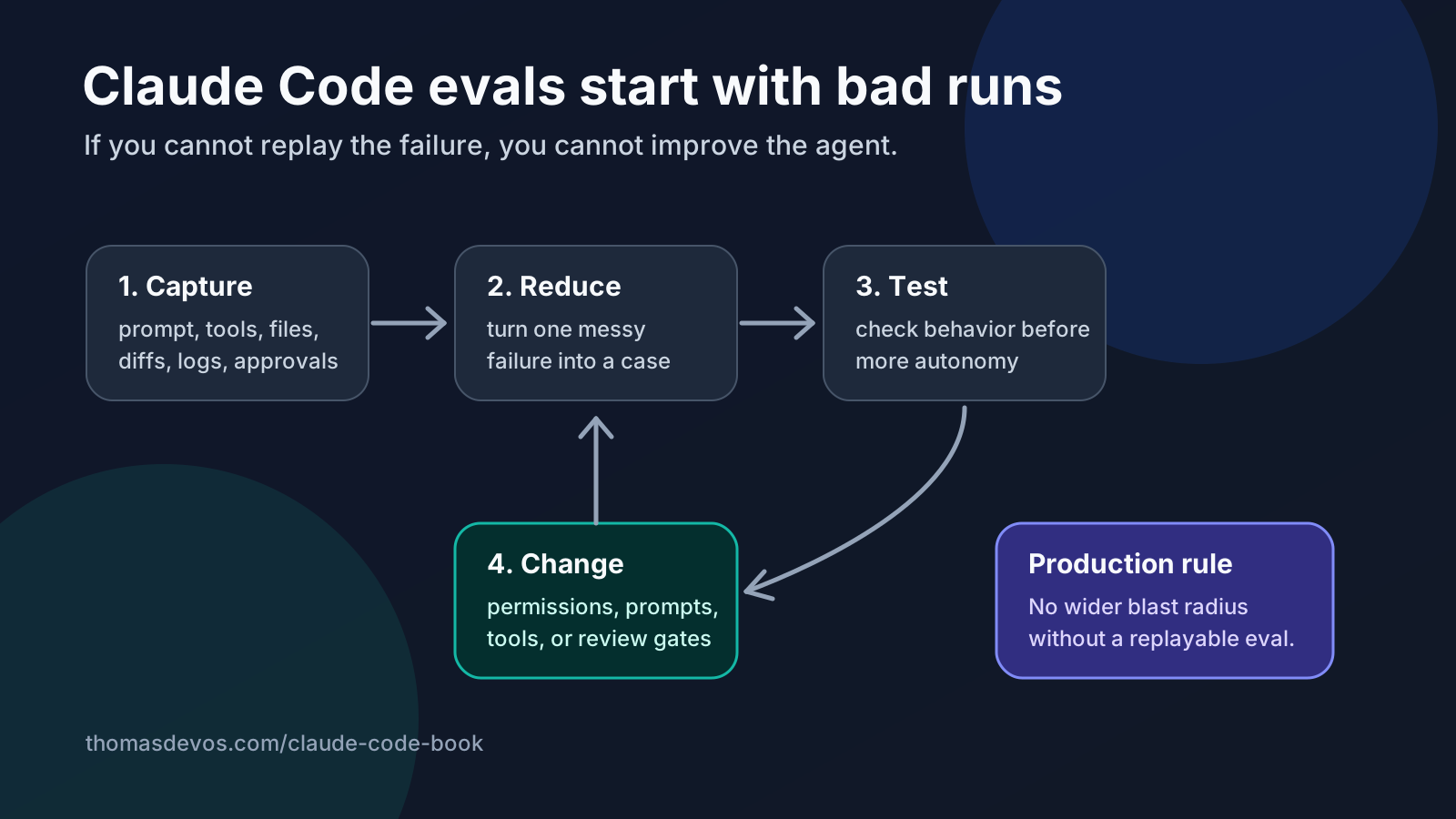
Production Claude Code evals should not begin with abstract benchmarks. Start with the agent runs that scared you, reduce them into replayable cases, and use them to tune permissions, prompts, tools, and review gates.