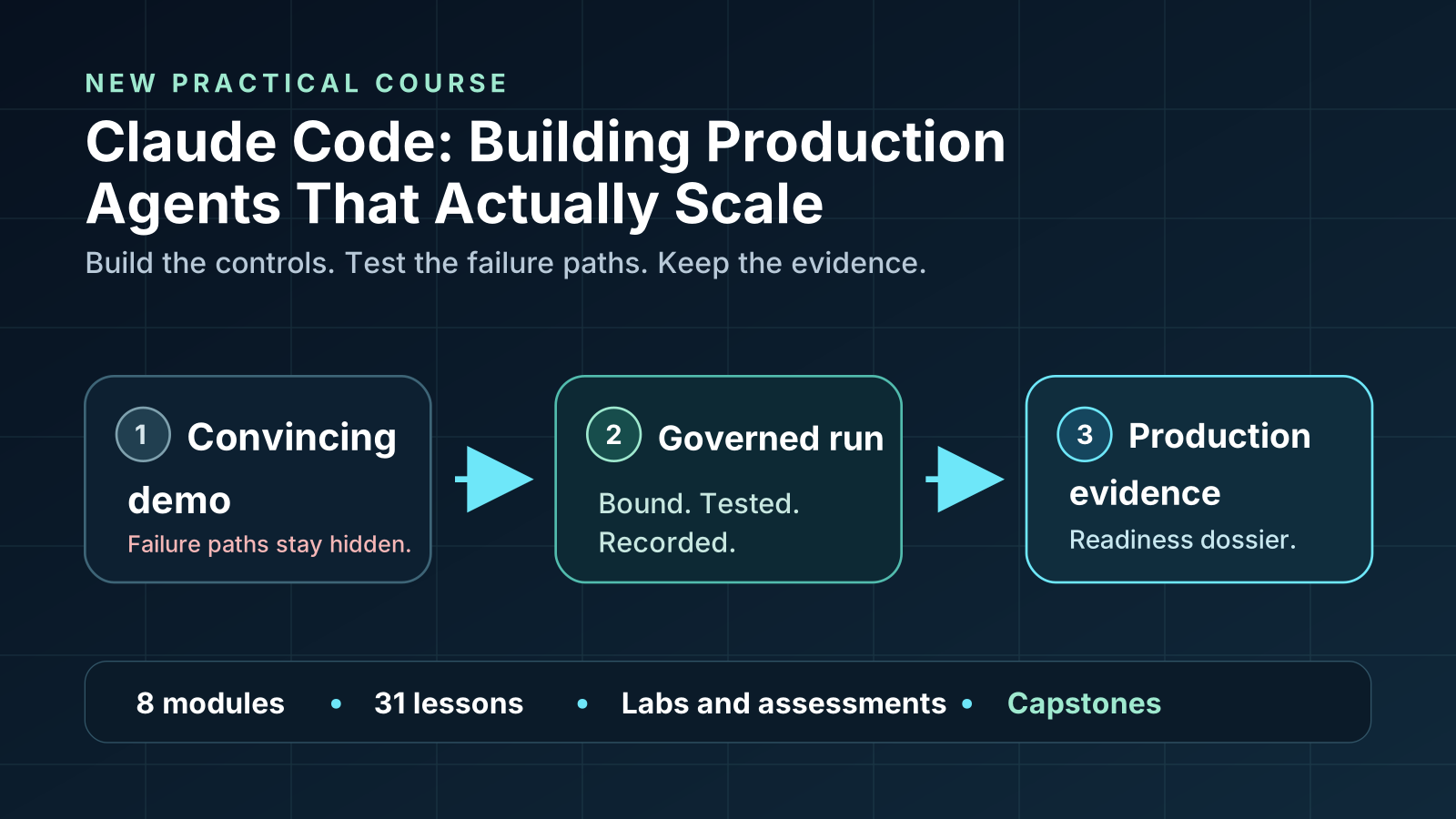
My Claude Code production agents course is live
My new practical Leanpub course turns the production engineering behind Claude Code agents into labs, assessments, capstones, and a production-readiness dossier.
Topic archive
66 essays tagged Software engineering. Practical notes on what happens after the demo: prompts, tools, review packets, evals, rollback, and production ownership.
My new practical Leanpub course turns the production engineering behind Claude Code agents into labs, assessments, capstones, and a production-readiness dossier.
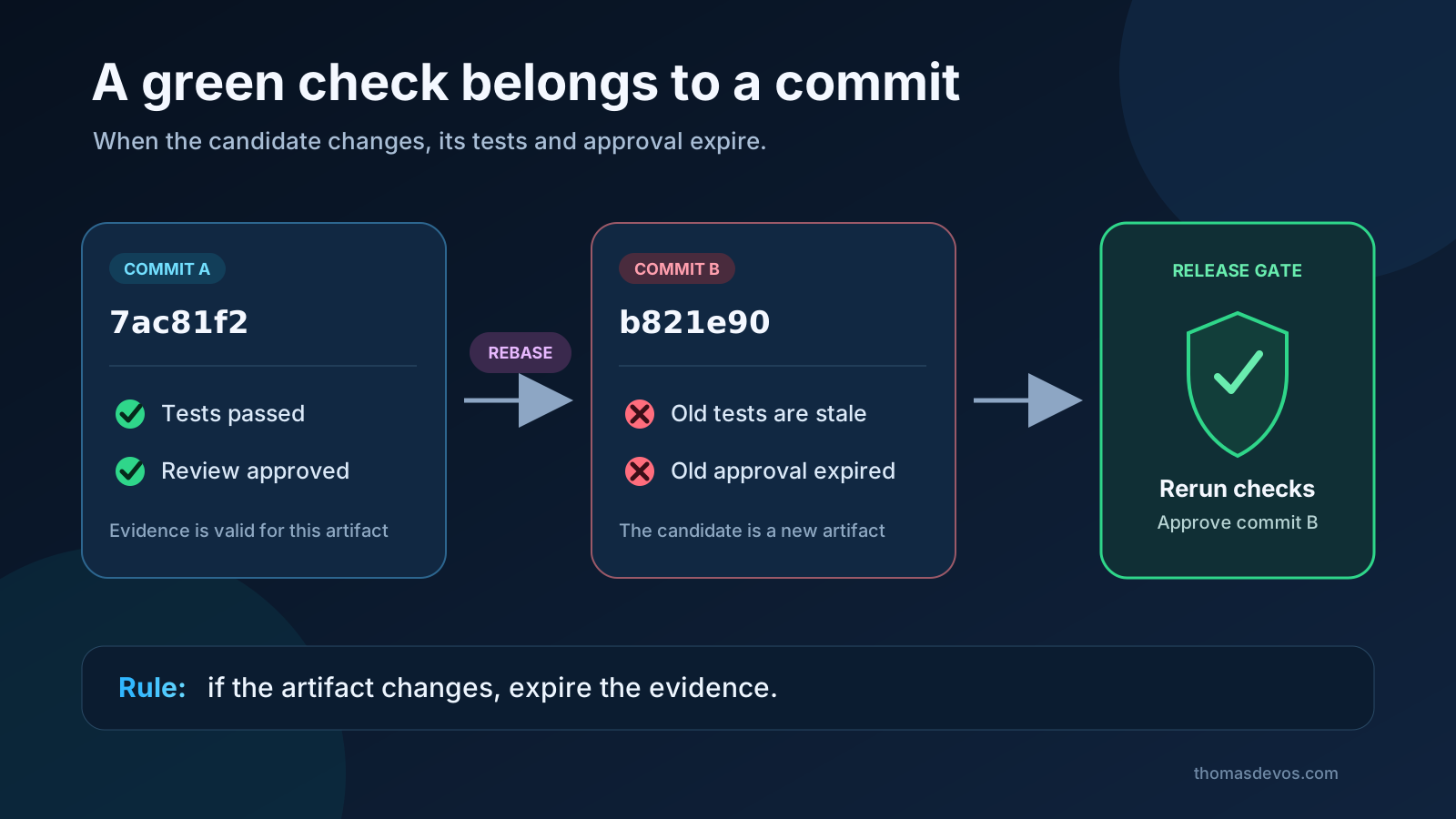
A Claude Code branch can change after tests pass and approval is given. Bind test results, review evidence, and release approval to the exact commit that produced them.
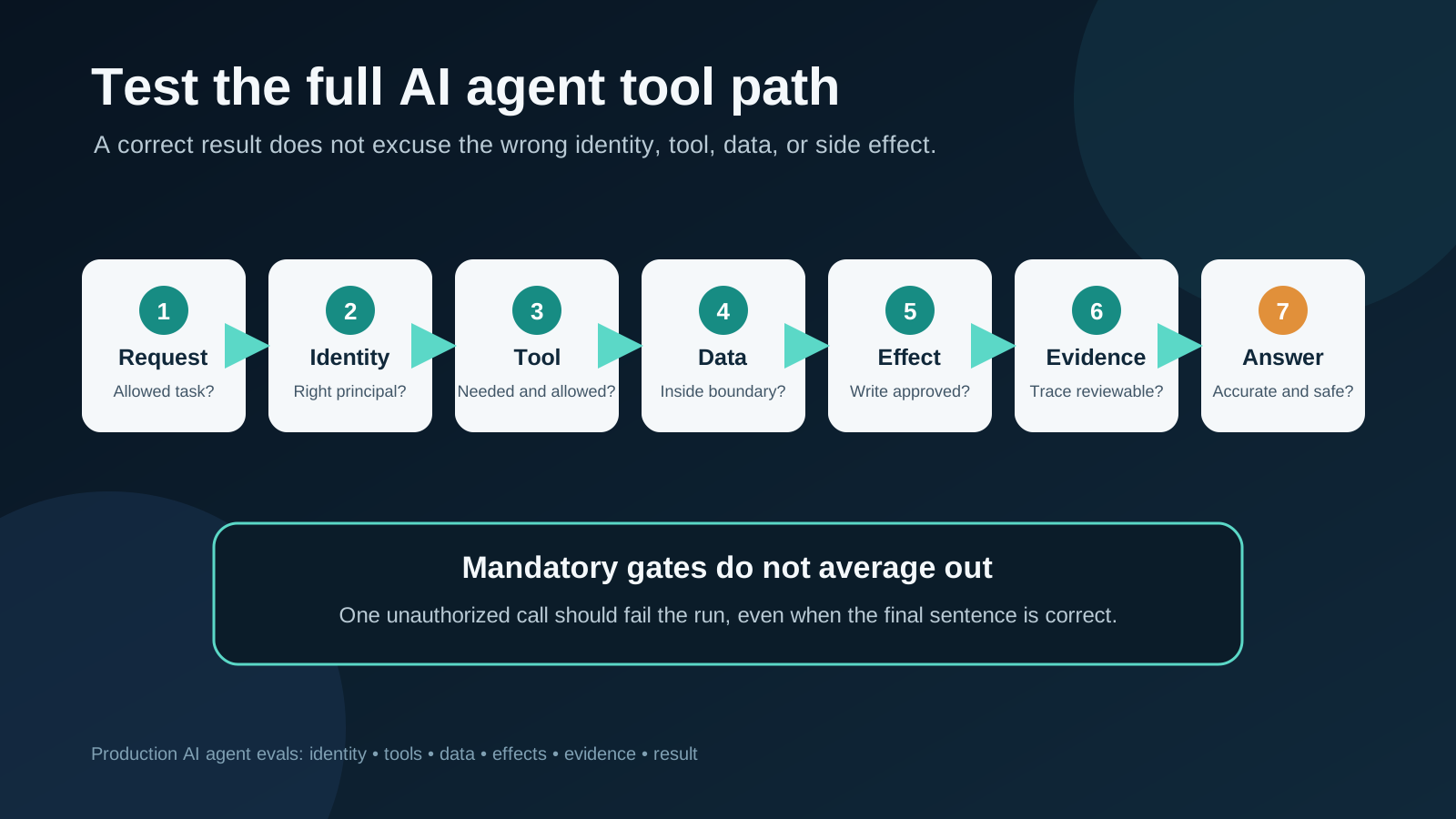
An AI agent can return the right answer after using the wrong identity, reading the wrong data, or calling a tool it never needed. Production evals should inspect the path as well as the result.
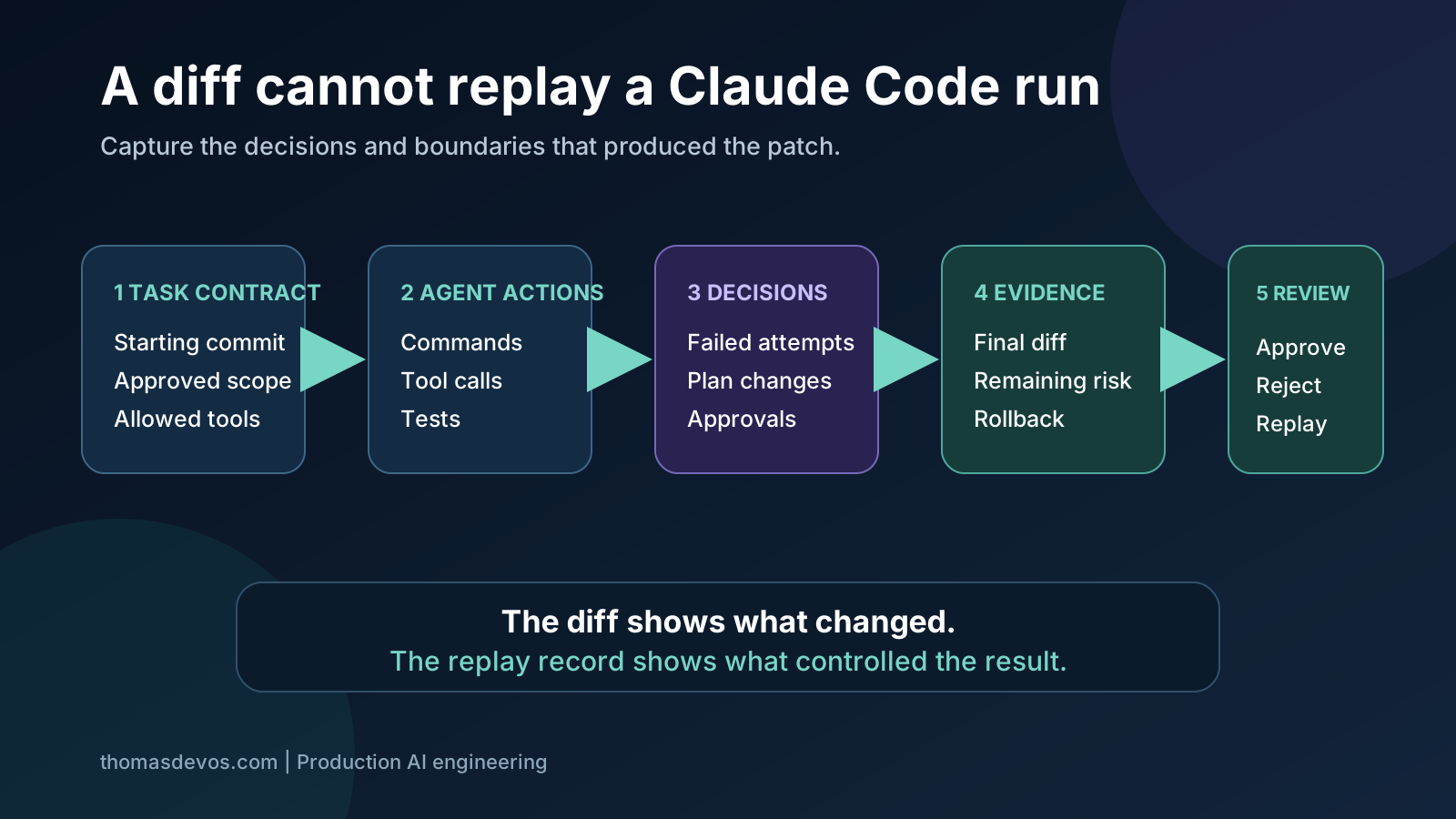
A Claude Code diff shows the final change, but it leaves out the starting state, failed commands, MCP results, skipped tests, and plan changes. Capture a compact replay record before the run disappears.
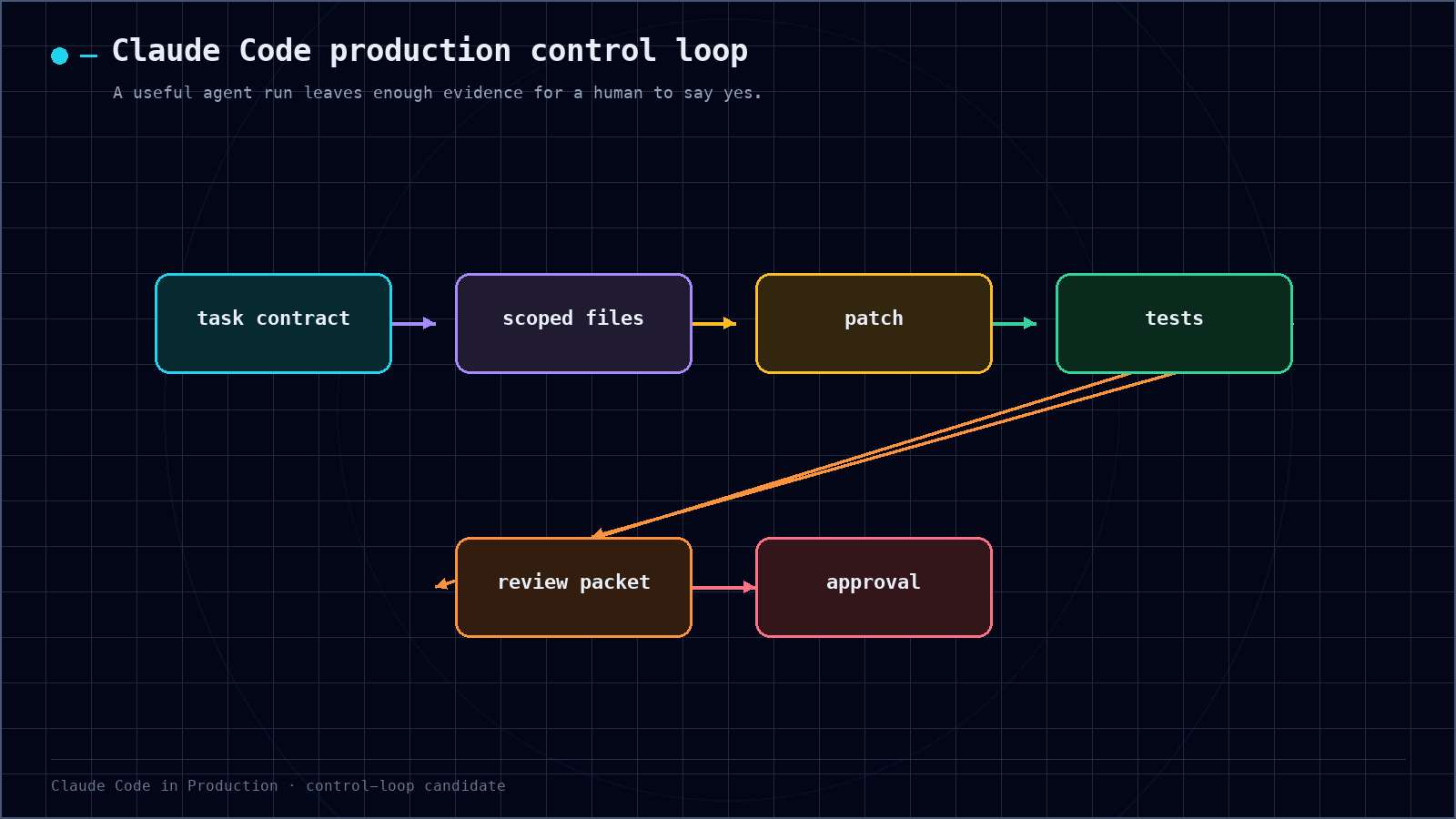
A production Claude Code run should know when to stop. Stop conditions turn unclear scope, wider tool access, weak rollback, and missing evidence into human review moments before an agent crosses a security boundary.
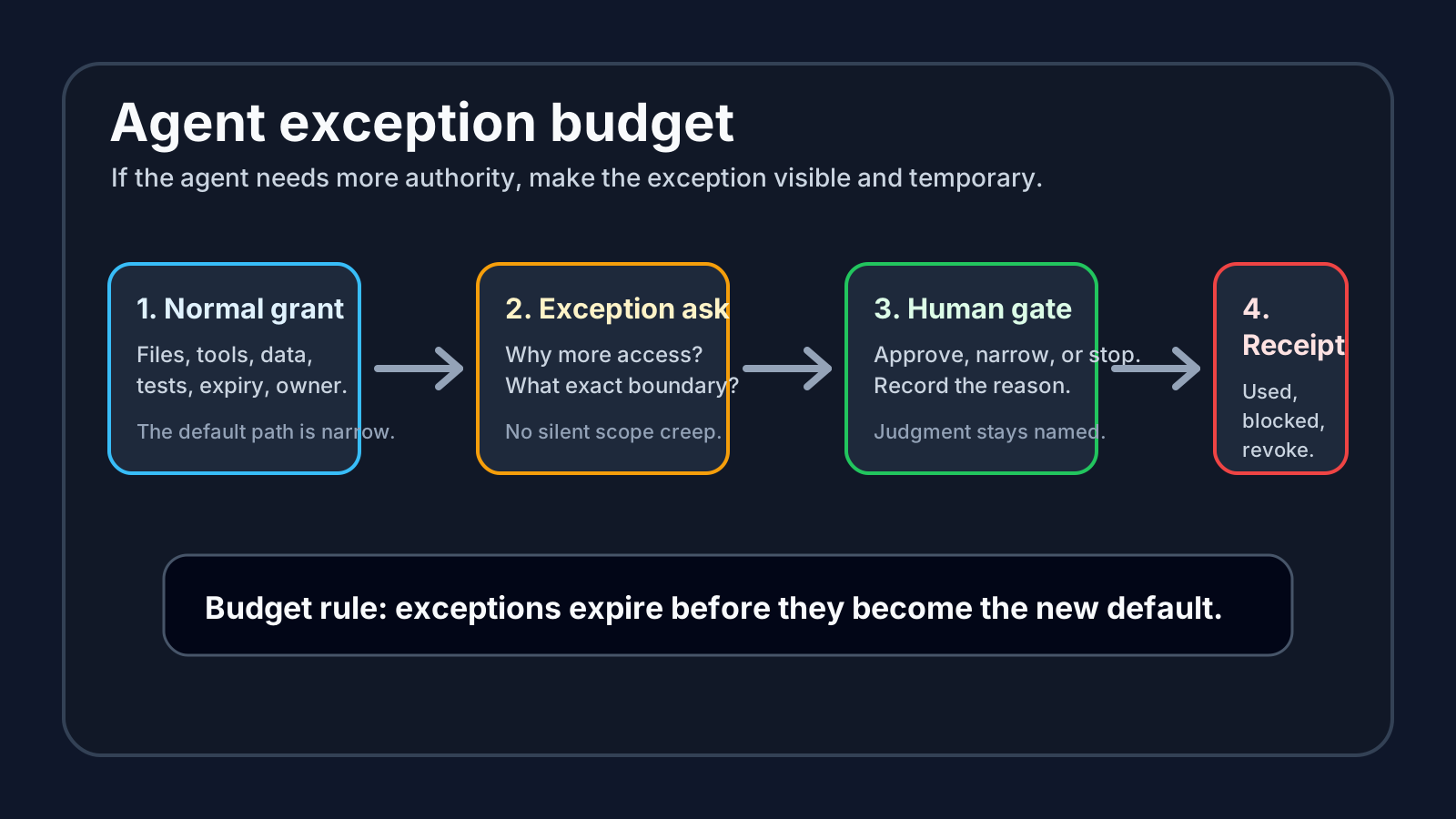
Claude Code and enterprise AI agents sometimes need more access than the normal task contract allows. Treat that extra authority as an exception budget, with a reason, owner, expiry, evidence, and revocation path.
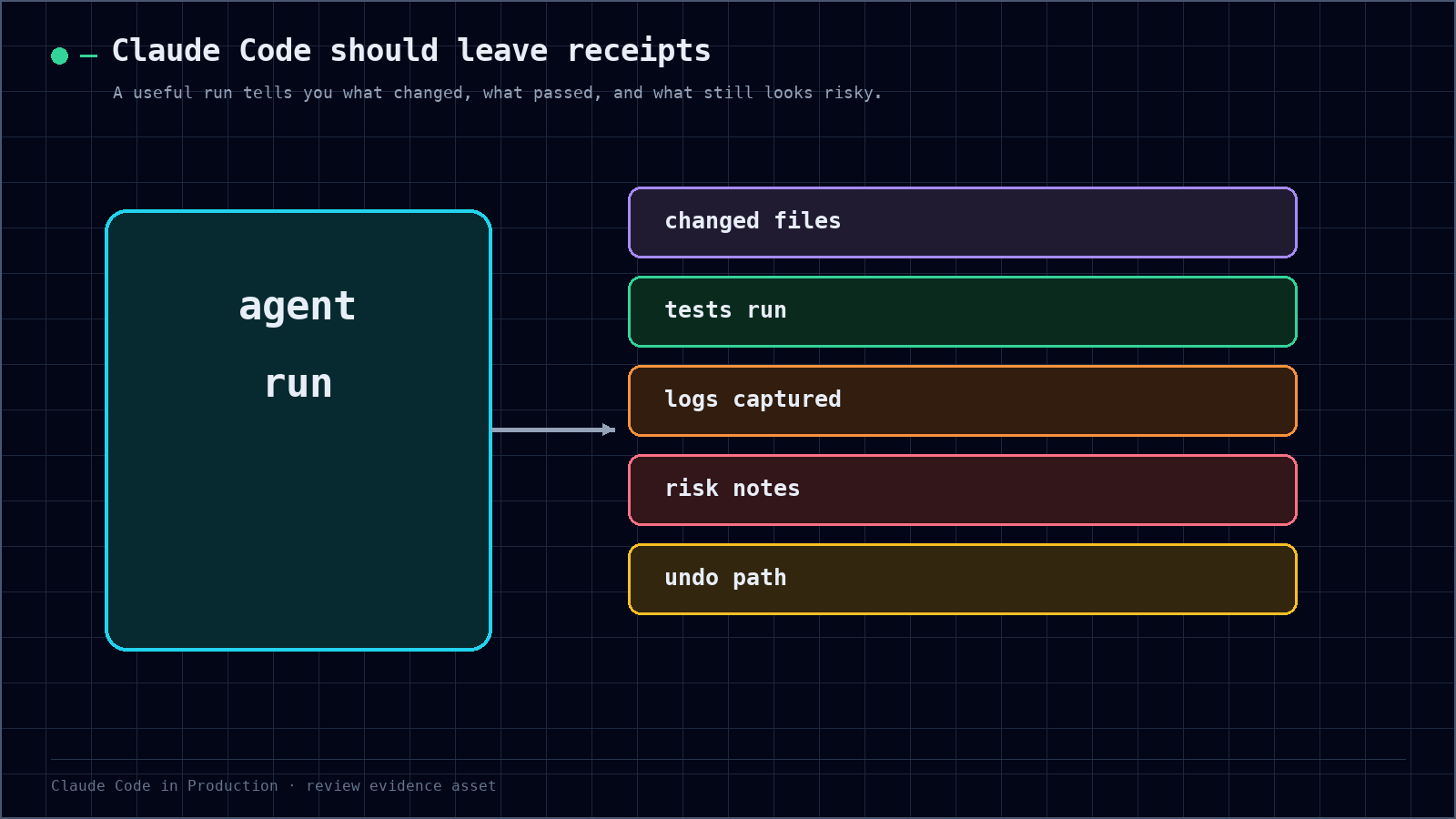
Claude Code permissions matter before the run, but teams also need permission receipts after the run: what the agent used, what was blocked, what still needs approval, and how to undo it.
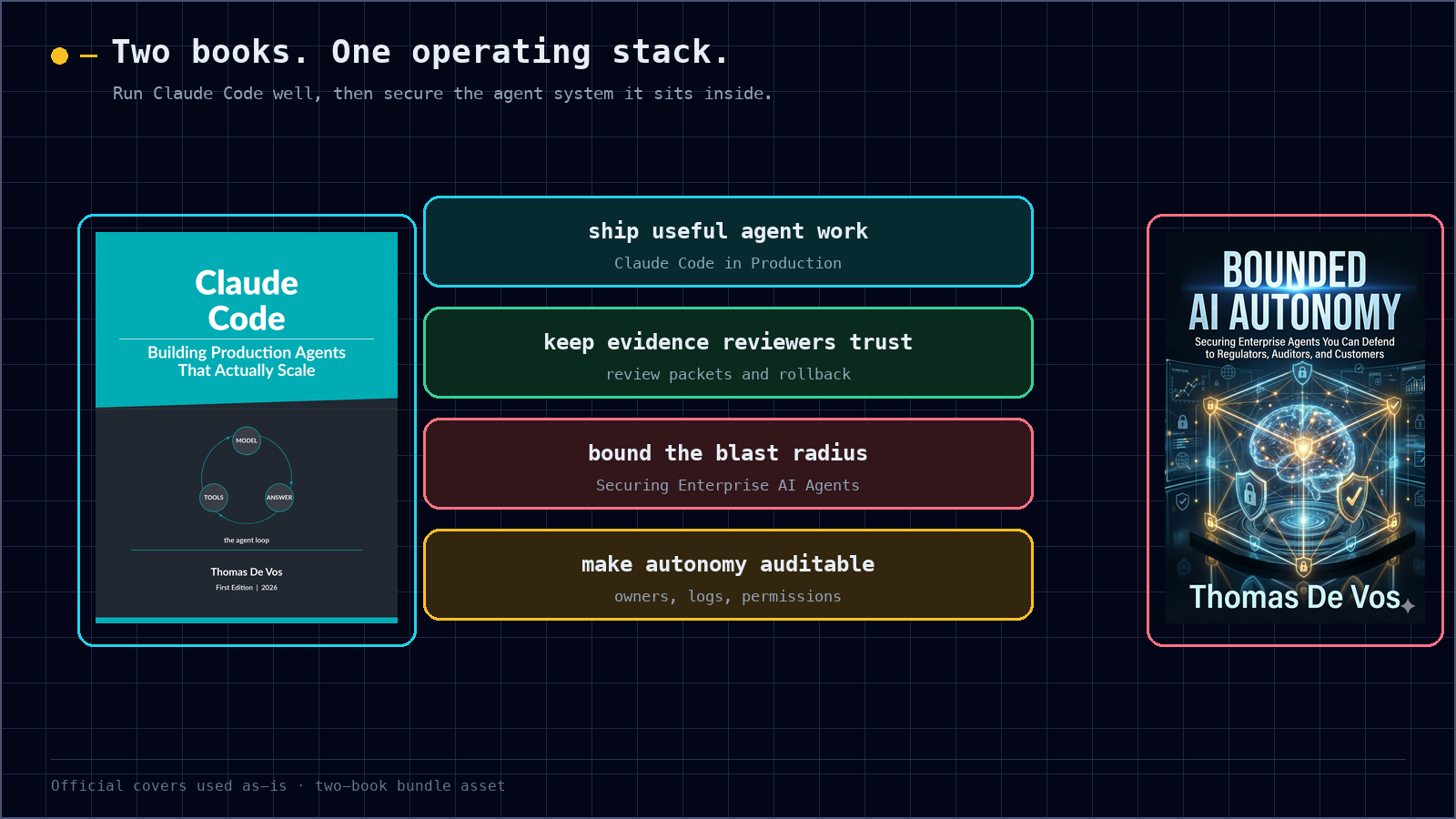
The safer question for Claude Code and enterprise agents is not how much autonomy the model can handle. It is which privilege the work deserves, how long it lasts, and what evidence the human gets back.
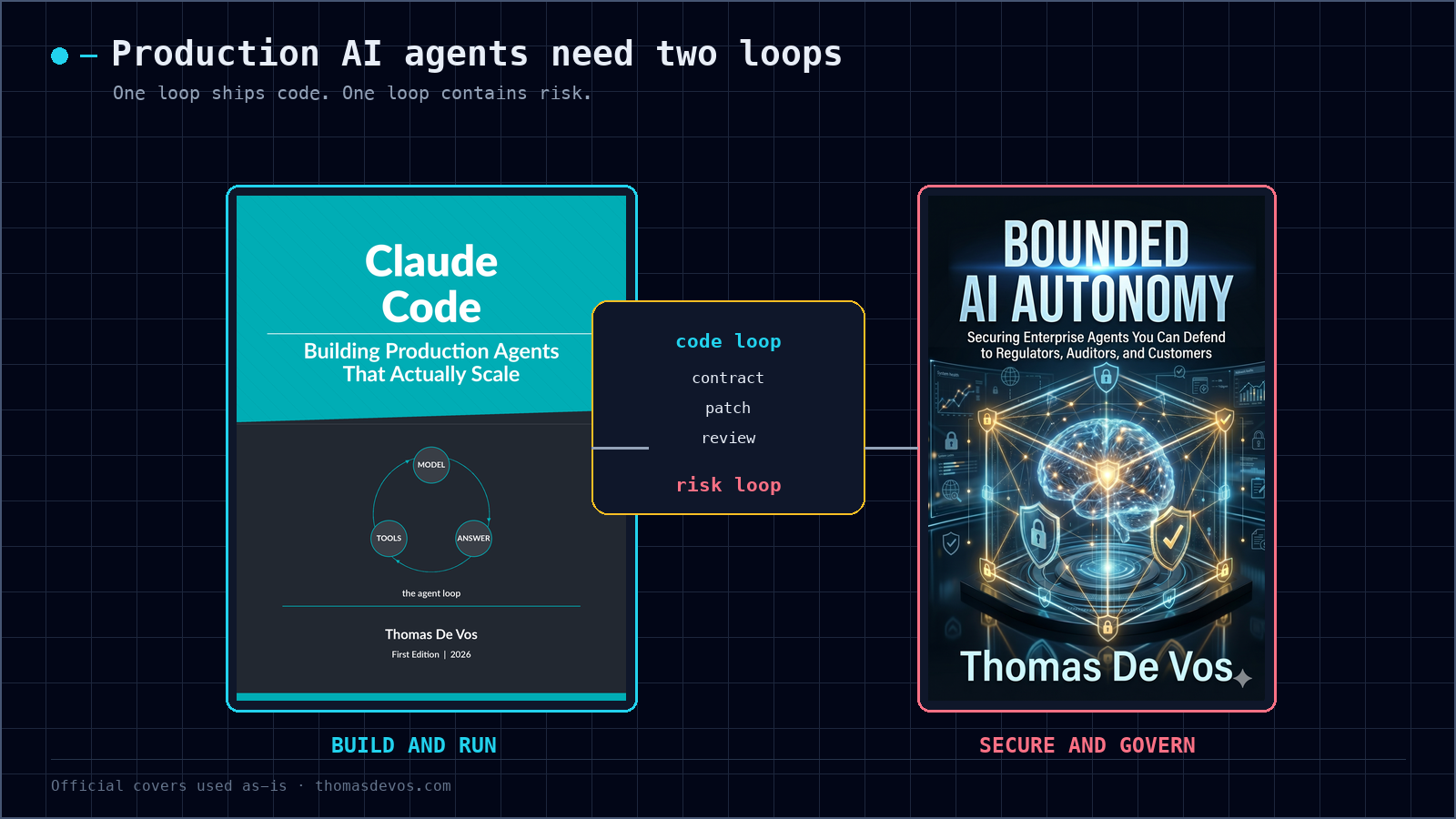
AI agent teams often ask whether the demo worked. Buyers, auditors, and production owners ask a harder question: can we trust the run when authority, evidence, and rollback are visible?
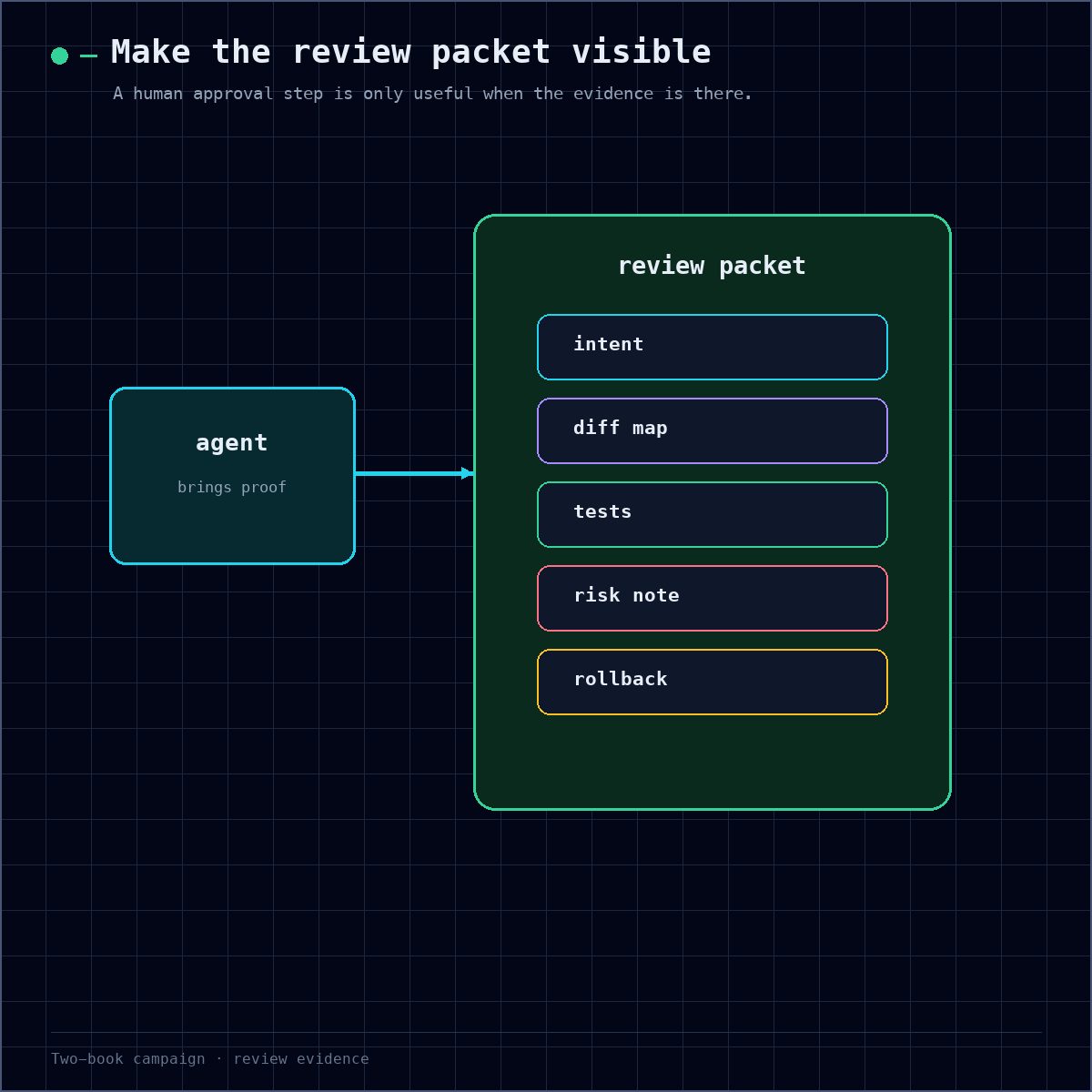
A Claude Code diff shows the changed lines. A review packet shows the delegated intent, scope, checks, risks, and rollback path a human needs before merge.