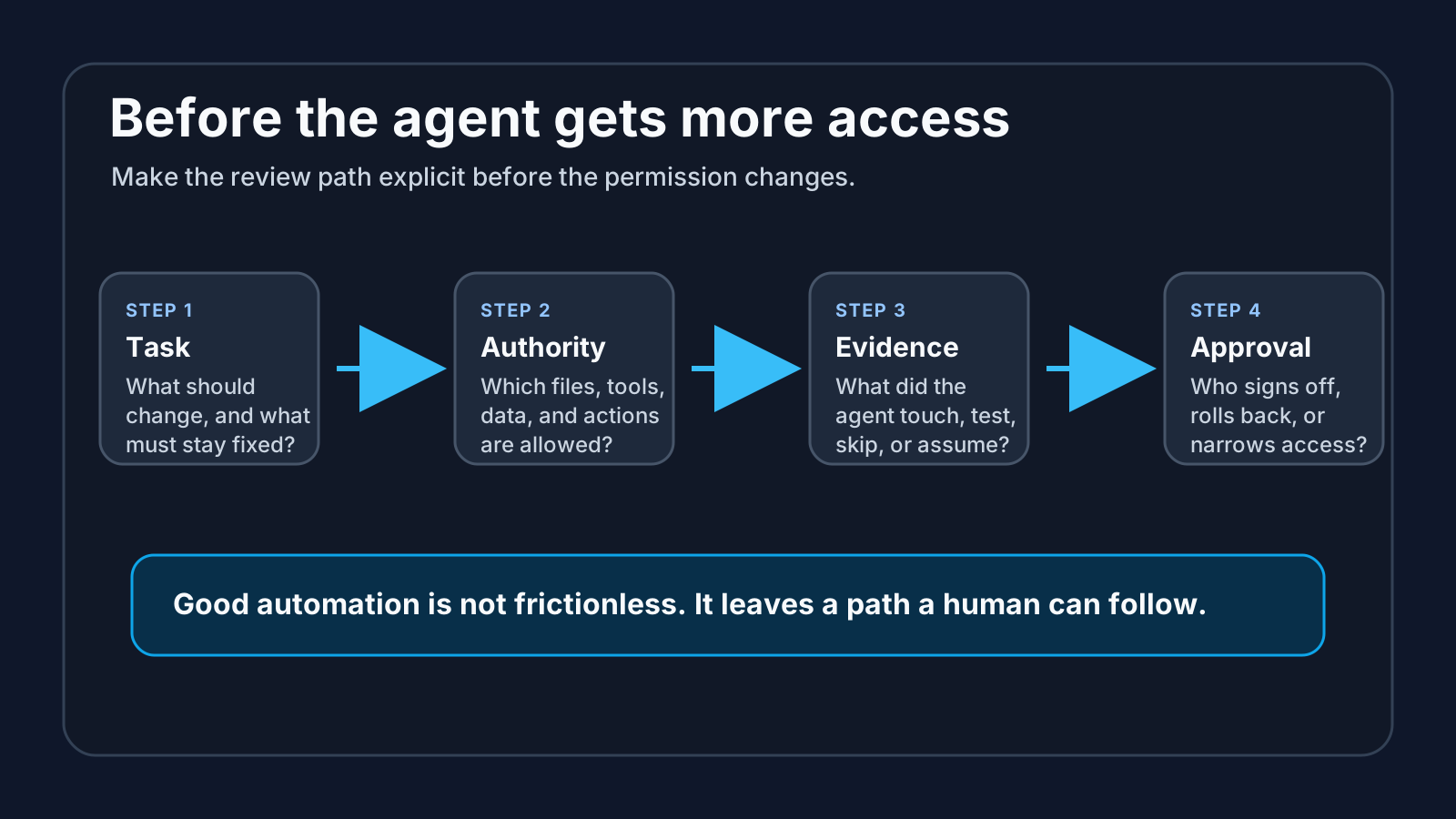
Before the agent gets more access, write the review path
Teams keep asking whether an AI agent is ready for more autonomy. A better question is whether the review path is clear enough before the next permission is added.
Topic archive
65 essays tagged Software engineering. Practical notes on what happens after the demo: prompts, tools, review packets, evals, rollback, and production ownership.
Teams keep asking whether an AI agent is ready for more autonomy. A better question is whether the review path is clear enough before the next permission is added.
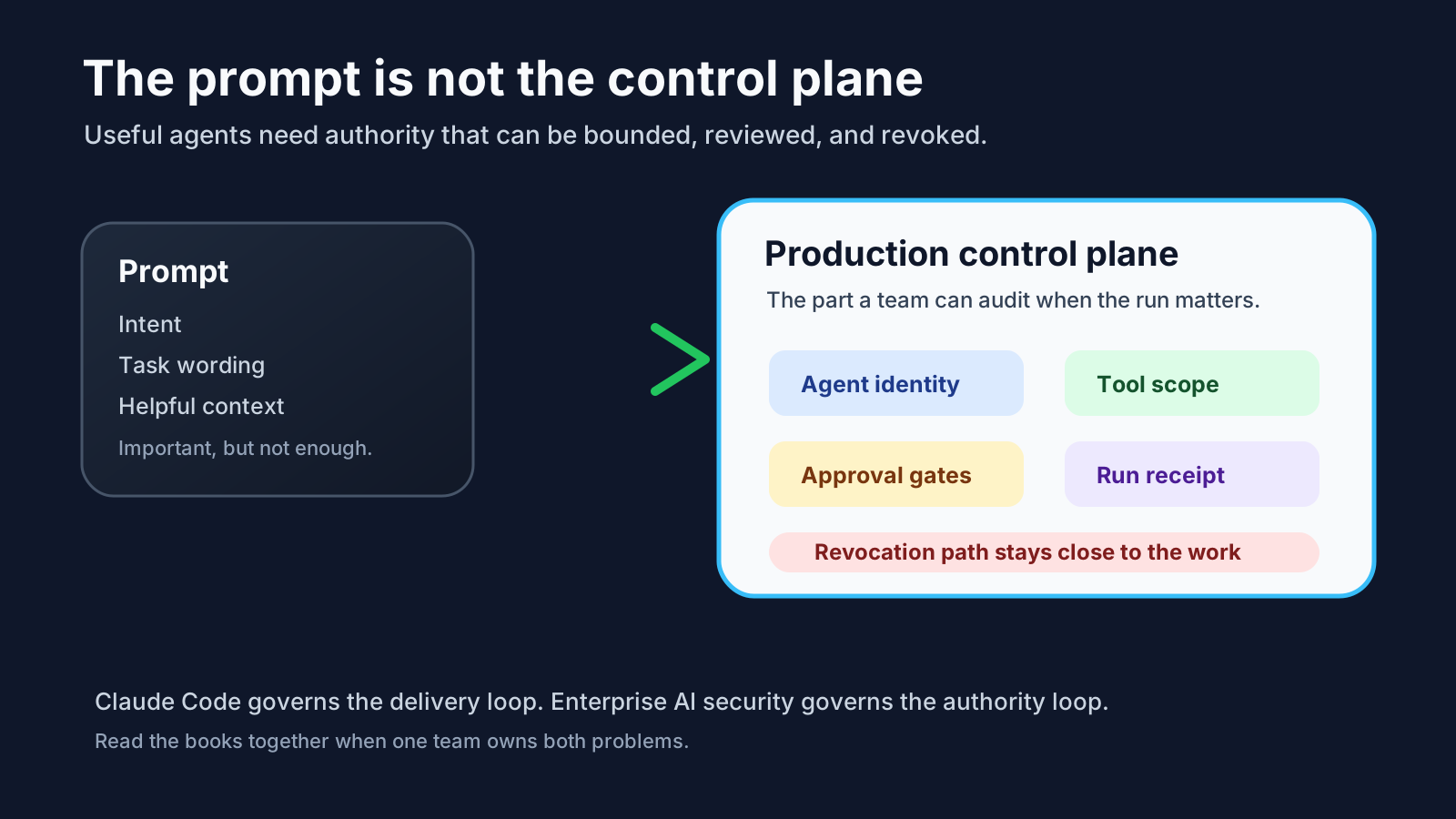
A good prompt can shape agent behavior, but production teams need a control plane around identity, tool scope, approval, logs, revocation, and review.
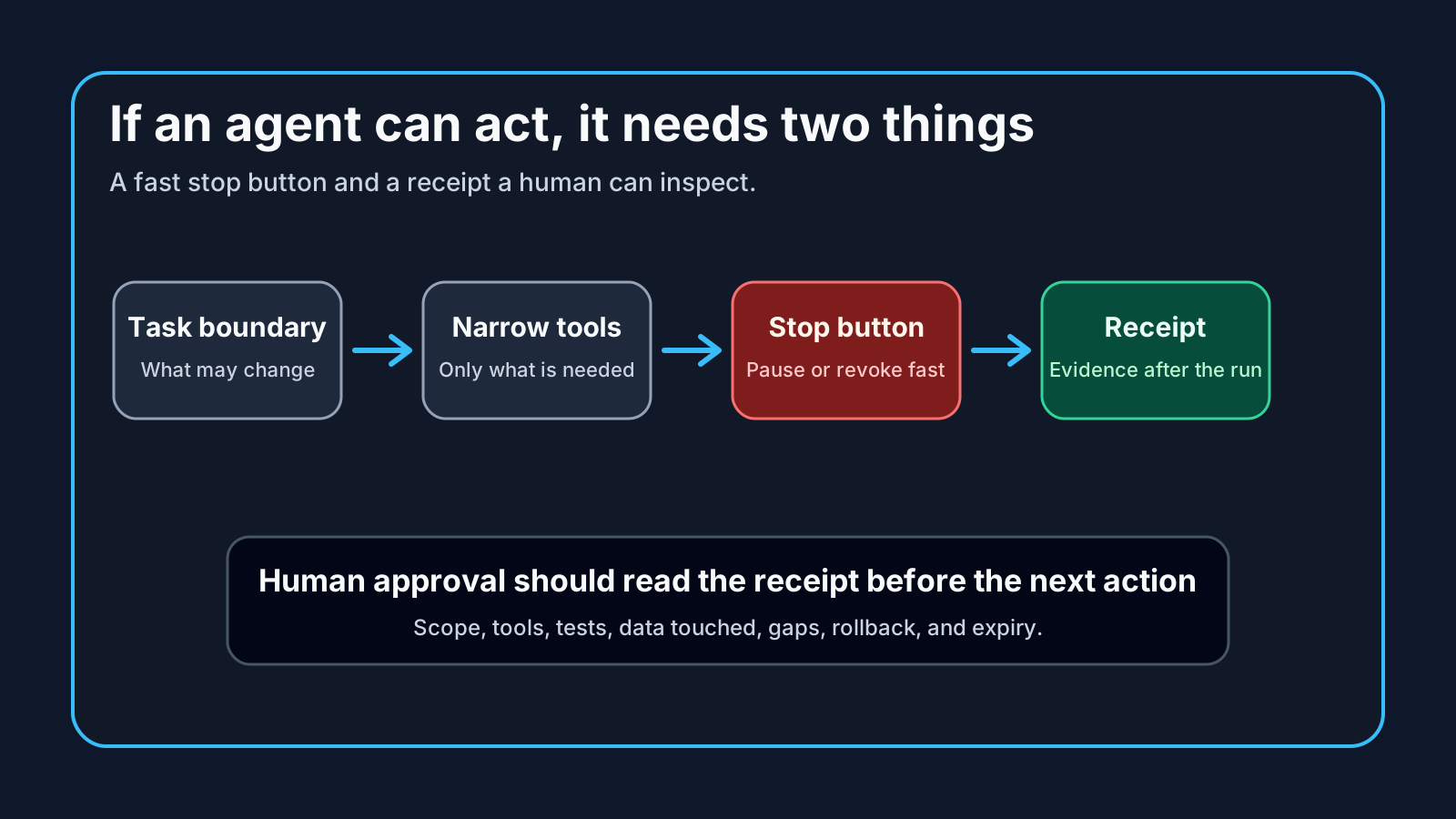
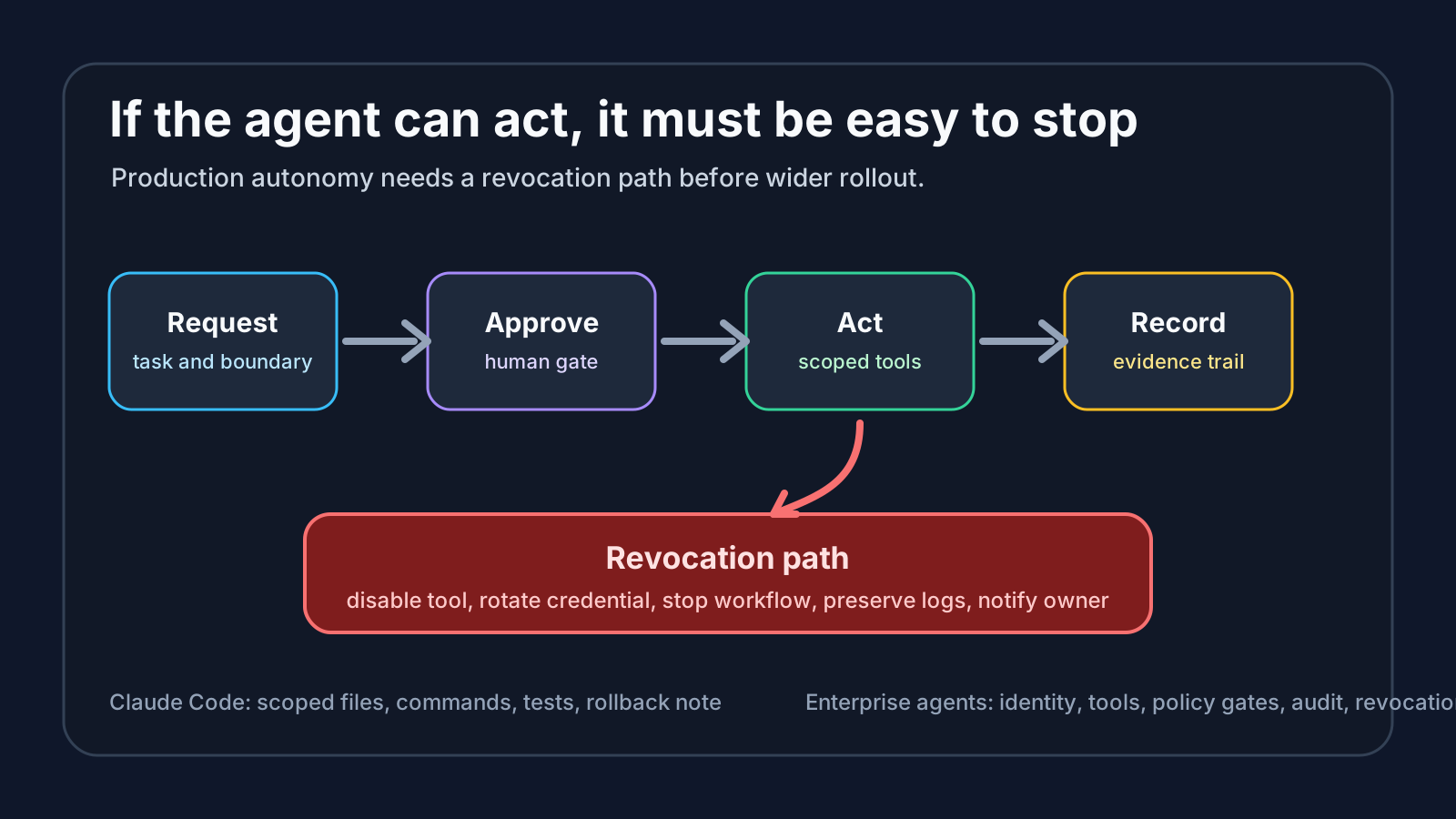
Production AI agents need a fast way to stop action and a plain receipt after every meaningful run. Without both, autonomy becomes trust without evidence.

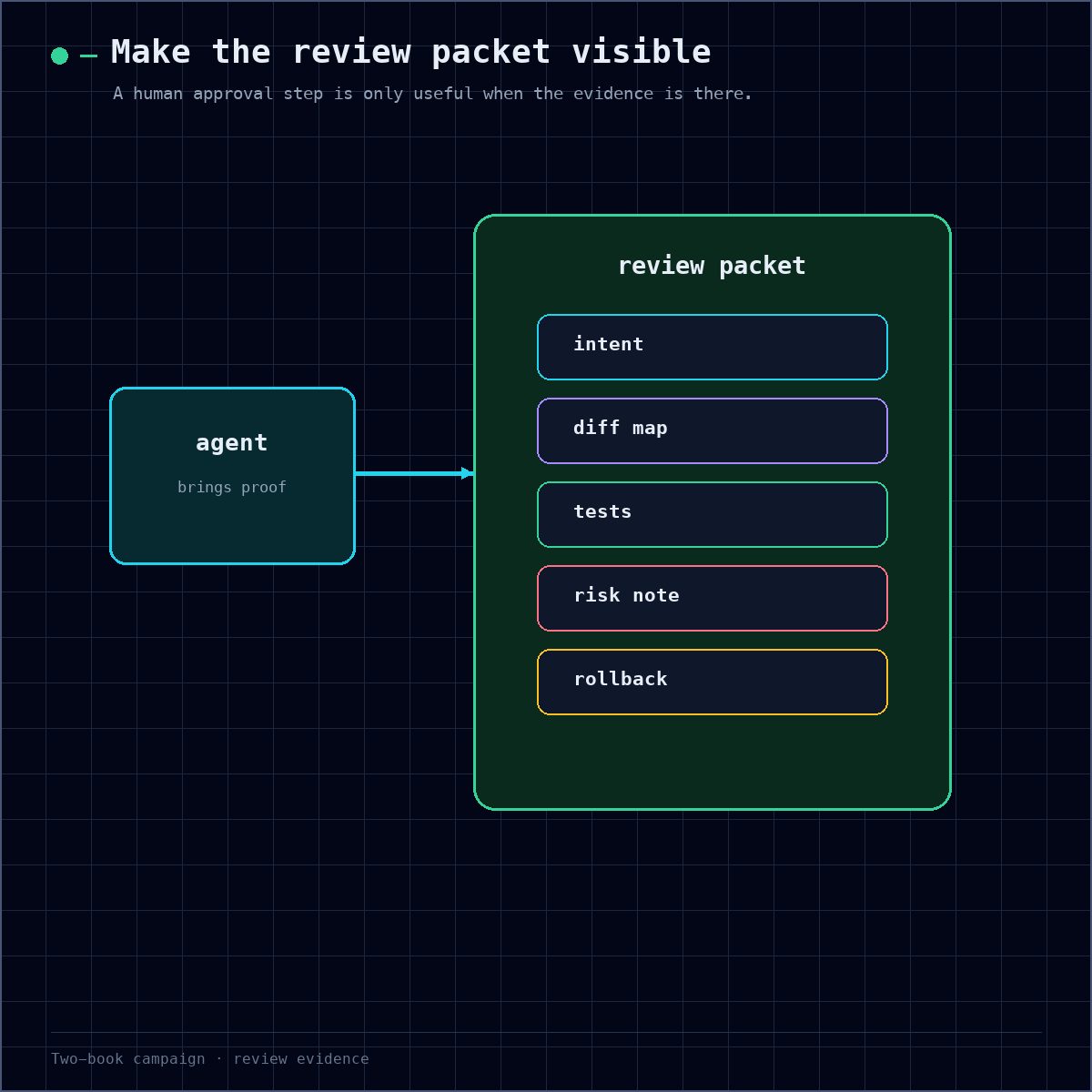
A clean Claude Code diff is a weak production signal. Ask for a review packet with scope, tests, gaps, rollback, and human inspection notes before merge.
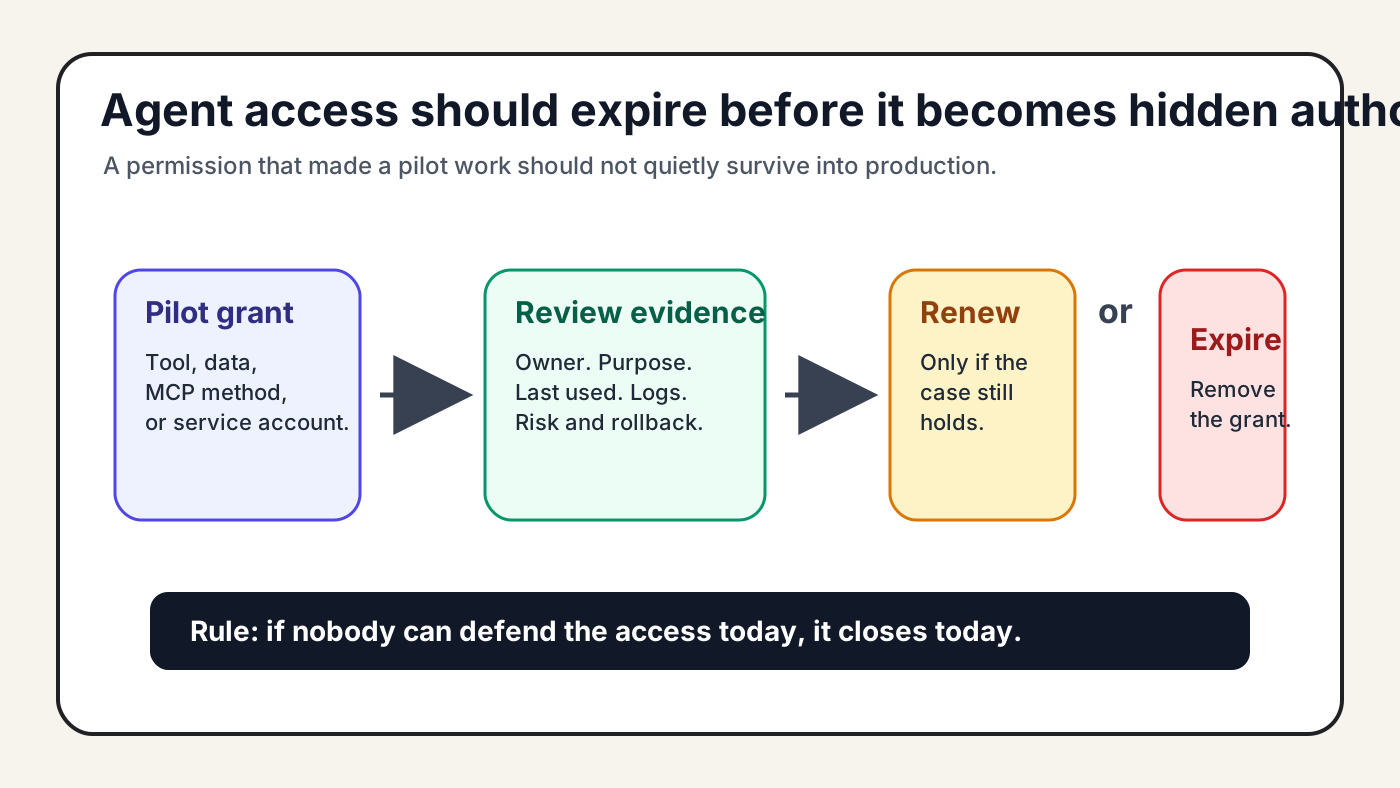
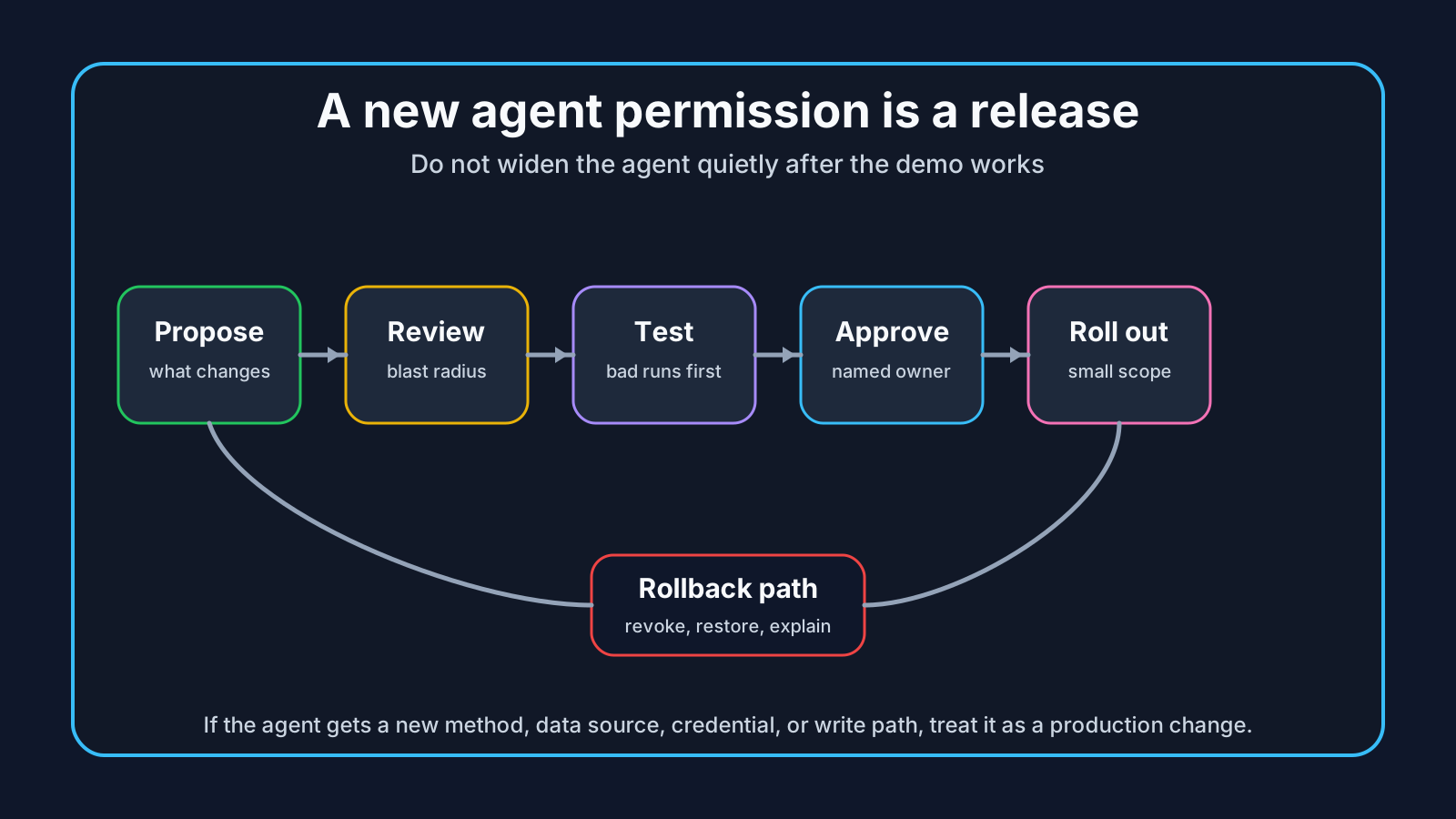
Agent permissions that helped a pilot can become hidden production authority. Put expiry, renewal evidence, and removal paths around AI agents before access drifts.
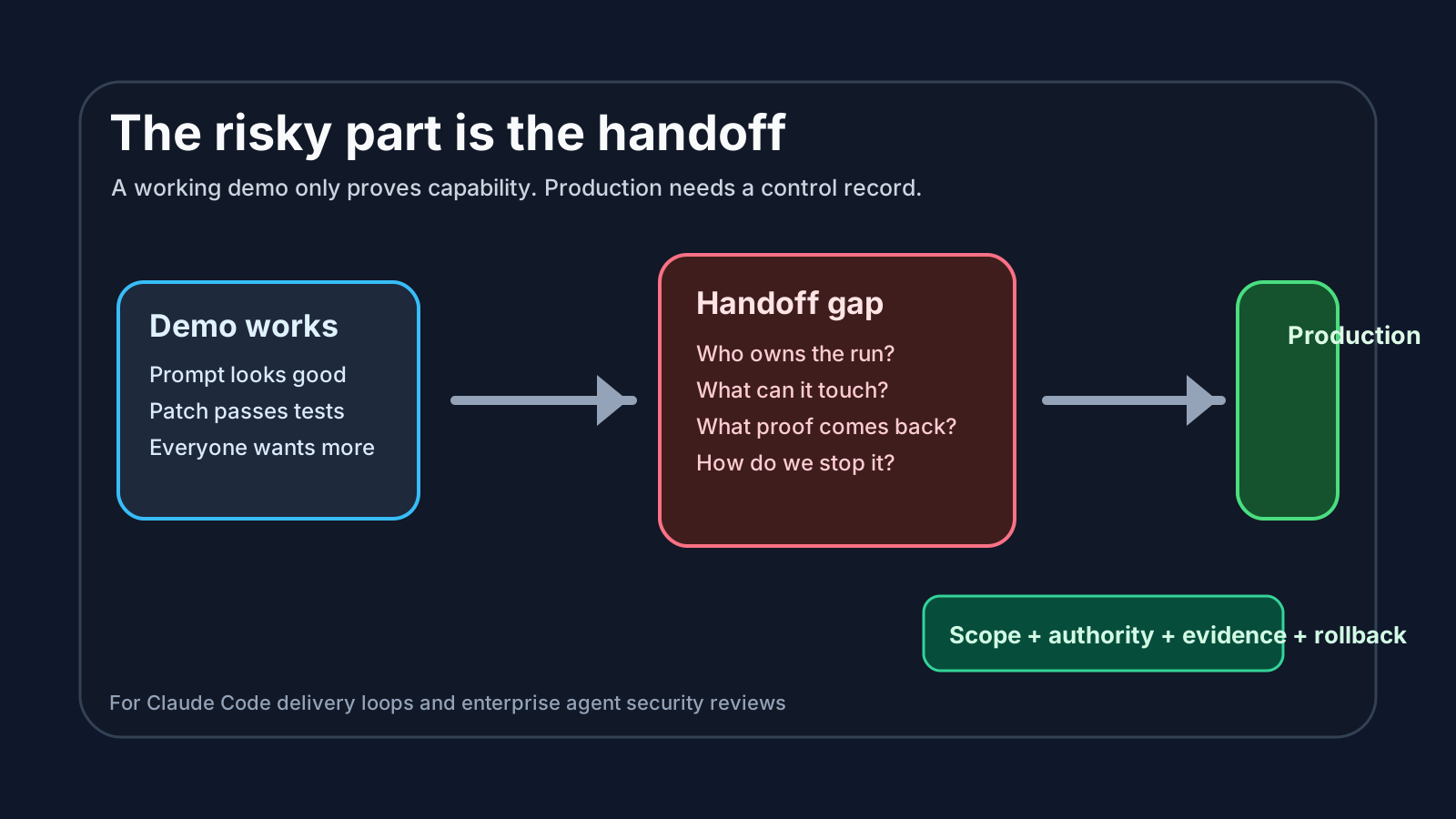
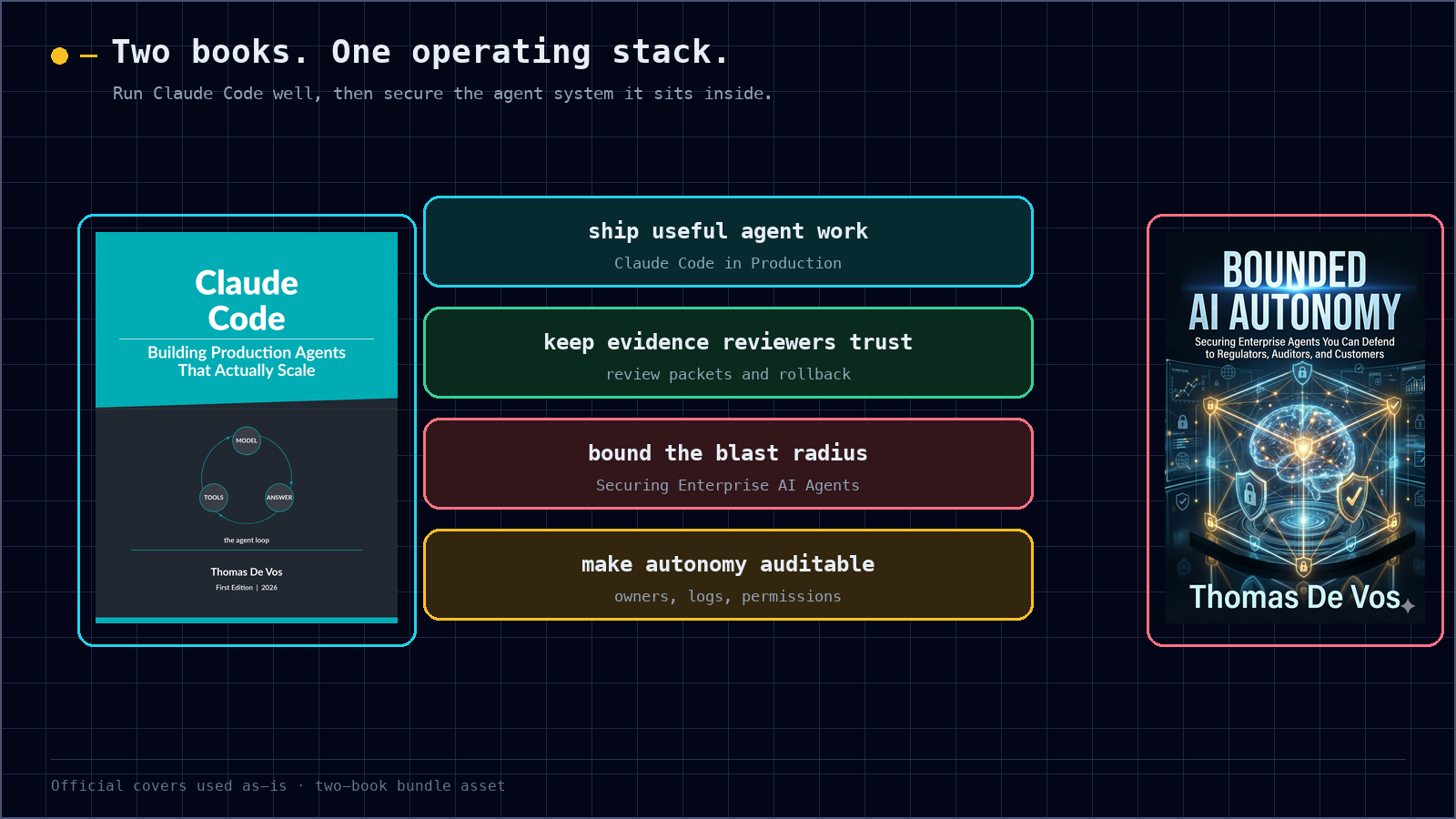
AI agent demos fail quietly when teams hand them to real workflows without scope, authority, evidence, and rollback. This is where Claude Code practice and enterprise agent security meet.
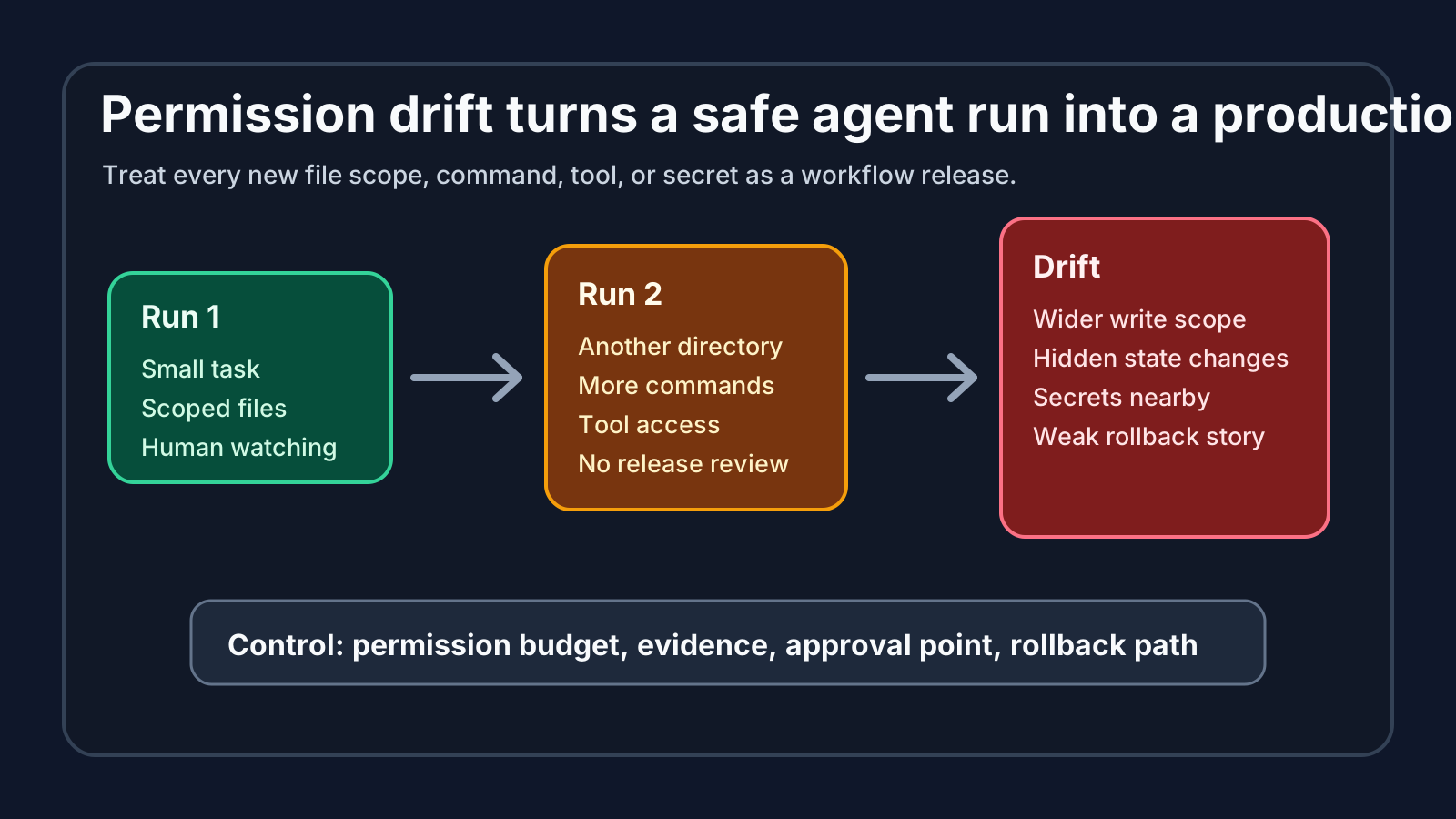
Claude Code can start with a narrow task and end up with broad tool access. Treat permission changes like production changes: log them, review them, and tie them to rollback.
Production AI agents need a revocation path before they get wider authority. If a Claude Code run, MCP tool, workflow agent, or RAG assistant goes wrong, the team should know exactly how to stop it.
Every new agent permission is a production change. Treat new MCP methods, data sources, write paths, credentials, and approval bypasses like releases with evidence and rollback.
Claude Code rollout and enterprise AI agent security need the same artifact: a control record that explains scope, authority, evidence, approval, and rollback.